
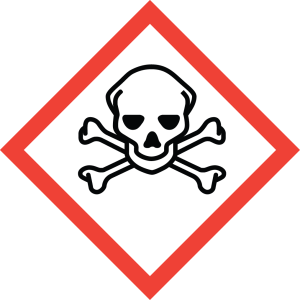
 Toxic chemicals pose significant hazards due to their potential to cause adverse health effects upon exposure. The main hazards associated with toxic chemicals include:
- Acute Toxicity: Exposure to toxic chemicals can cause immediate or short-term health effects, such as nausea, dizziness, headaches, respiratory irritation, skin burns, or eye irritation. These effects may occur rapidly after exposure and can range from mild to severe depending on the chemical and the dose.
- Chronic Toxicity: Prolonged or repeated exposure to toxic chemicals can lead to chronic health effects, such as organ damage, cancer, reproductive disorders, neurotoxicity, or developmental abnormalities. These effects may develop over time and may not be apparent until after years of exposure.
- Systemic Effects: Toxic chemicals can affect multiple organ systems in the body, including the respiratory, cardiovascular, nervous, immune, and reproductive systems. Depending on the chemical and the route of exposure, toxic effects may manifest as respiratory problems, cardiovascular disease, neurological disorders, immunotoxicity, or infertility.
- Carcinogenicity: Some toxic chemicals are known or suspected carcinogens, meaning they have the potential to cause cancer in humans. Long-term exposure to carcinogenic chemicals can increase the risk of developing various types of cancer, including lung cancer, skin cancer, bladder cancer, or leukemia.
- Reproductive and Developmental Toxicity: Exposure to toxic chemicals during pregnancy can harm the developing fetus and lead to birth defects, developmental delays, miscarriage, or stillbirth. Certain chemicals may also affect fertility or reproductive function in both men and women.
- Target Organ Effects: Toxic chemicals may target specific organs or tissues in the body, leading to organ damage or dysfunction. Common target organs include the liver, kidneys, lungs, central nervous system, and reproductive organs.
- Environmental Impact: Toxic chemicals released into the environment can contaminate soil, water, air, and wildlife, posing risks to ecosystems and human health through bioaccumulation and biomagnification.
Due to their potential for causing adverse health effects, toxic chemicals require careful handling, storage, and use, as well as the implementation of appropriate safety measures and controls. This includes conducting risk assessments, following established standard operating procedures (SOPs), providing adequate training to personnel, using proper containment and ventilation systems, and having emergency response plans in place to address spills, leaks, or incidents involving toxic chemicals.
Storage and Use Recommendations for Toxic Chemicals
Usage guidelines for toxic chemicals are essential to ensure safe handling and minimize the risk of exposure and adverse health effects. Here’s a summary of key guidelines:
- Risk Assessment: Conduct a thorough risk assessment to identify potential hazards associated with the toxic chemical, including its toxicity, route of exposure, and potential health effects. Consider factors such as the concentration, duration, and frequency of exposure. Development of specific Standard Operating Procedures for lab activities using toxic chemicals is strongly recommended.
- Personal Protective Equipment (PPE): Wear appropriate PPE, including chemical-resistant gloves, safety goggles or face shield, lab coat or apron, and respiratory protection (if necessary), to protect against skin contact, inhalation, or ingestion of toxic chemicals.
- Ventilation: Work in a well-ventilated area to minimize exposure to chemical vapors, fumes, or gases. Use local exhaust ventilation or fume hoods when handling toxic chemicals indoors to control exposure levels.
- Storage: Store toxic chemicals in designated areas away from incompatible substances, heat sources, or direct sunlight. Use secure cabinets, shelves, or containers to prevent spills, leaks, or accidental contact.
- Handling: Handle toxic chemicals with caution, avoiding unnecessary agitation, mixing, or exposure. Use appropriate tools and equipment to minimize the risk of accidental spills, splashes, or releases.
- Labeling: Clearly label containers with the name of the chemical, hazard warnings (e.g., “Toxic”), and any relevant safety information. Ensure that labels are legible and remain intact throughout the chemical’s use.
- Mixing and Dilution: Follow established procedures and precautions when diluting or mixing toxic chemicals. Ensure compatibility of substances and use appropriate mixing vessels and techniques to prevent accidental reactions or exposures.
- Emergency Procedures: Familiarize yourself with emergency procedures and equipment, including spill kits, eyewash stations, safety showers, and fire extinguishers. Know how to respond in the event of spills, leaks, or accidental exposures.
- Training: Provide comprehensive training and education to all personnel who handle toxic chemicals, including recognition of hazards, safe handling practices, emergency response procedures, and proper use of PPE.
- Documentation: Maintain accurate records of toxic chemical inventory, usage, and disposal. Document any incidents, spills, or near misses and conduct post-incident evaluations to identify areas for improvement.
By following these usage guidelines and exercising caution when working with toxic chemicals, you can minimize the risk of exposure and adverse health effects in the laboratory or workplace.
Particularly Hazardous Substances
OSHA recognizes that some classes of chemical substances pose a greater health and safety risk than others. To differentiate this elevated risk characteristic, OSHA identifies two categories of hazardous chemicals:
- Hazardous chemicals; and
- Particularly hazardous substances.
Substances that pose such significant threats to human health are classified as “particularly hazardous substances” (PHSs)
Particularly hazardous substances are divided into three primary types:
- Acutely Toxic Chemicals
- Reproductive Toxins
- Carcinogens