
 Eye protection is available to all employees or visitors to labs where hazardous chemicals are used and stored. Protective eye and face equipment must be used where there is a reasonable probability of injury from hazardous chemicals that can be prevented from such equipment. The minimum acceptable requirements are for hardened glass or plastic safety spectacles. The PI/Lab Supervisor should establish the level of eye protection needed per lab activity. Specialized types of eye protection, such as ultraviolet light restricting safety glasses, are also available. The following types of eye protection are recommended for use in the laboratory by the American National Standards Institute (ANSI):
- All eye protective devices must be stamped with “Z87” by the manufacturer to indicate that they meet ANSI standards.
- Safety glasses with side shields offer minimal protection from flying fragments, chips, particles, sand, and dirt. When a splash hazard exists, other protective eye equipment, like impact goggles, must be worn.
- Safety, or impact, goggles only offer protection against flying particles. These need to be worn when working with glassware under reduced or elevated pressure or with shop tools and equipment, like drill presses. They do NOT provide protection against liquid splashes.
- Chemical splash goggles provide indirect venting to provide adequate protection from splashes. Chemical splash goggles offer the best eye protection from splashes.
- Face shields protect the face and neck from both flying particles and splashes. Always wear additional eye protection under face shields. Ultraviolet-light face shields should be worn when working around unshielded UV light sources.
When choosing appropriate eye protection for the laboratory, consider the following tips:
- Identify Hazards: Assess the specific hazards present in the laboratory, such as chemical splashes, flying debris, or optical radiation. Different hazards require different types of eye protection.
- Select ANSI-Approved Eyewear: Choose eye protection that meets the American National Standards Institute (ANSI) standards for impact resistance and optical clarity. Look for ANSI Z87.1 certification on the eyewear to ensure it provides adequate protection.
- Choose the Right Type: Select the appropriate type of eye protection based on the identified hazards:
- Safety Glasses: Provide basic protection against impact and airborne particles. Suitable for general laboratory work with no risk of chemical splashes.
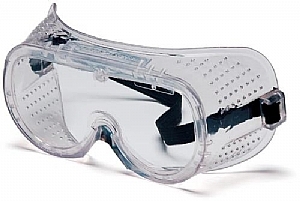
- Impact Safety Goggles: These provide more comprehensive eye protection. If you’re exposed to small objects like material chips or sawdust, impact goggles are a better option. They are less prone to fogging due to ventilation holes drilled in them.
- Chemical Splash Goggles: When handling chemicals, especially if the Safety Data Sheet indicates eye hazards (from irritation to corrosive damage), use chemical splash goggles. Even small amounts of chemicals can bypass safety glasses, so opt for splash goggles.
- Laser Goggles: If you work with Class 3 or 4 lasers, wear laser goggles. However, choosing the right pair is highly technical, so consult your Laser Safety Officer.
- Face shields: Remember that face shields are not eye protection; they’re for face protection. Never substitute a face shield for proper eye protection. If you need face protection, wear it over safety goggles or glasses as appropriate.
- Consider Comfort and Fit: Ensure that the eye protection fits comfortably and securely without obstructing vision or causing discomfort. Look for adjustable straps, cushioned nose bridges, and anti-fog coatings for improved comfort and usability.
-
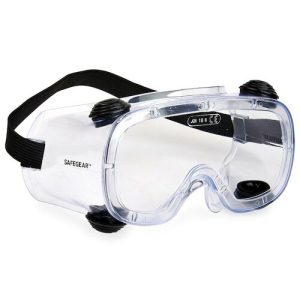
These indirectly vented chemical splash goggles are appropriate for protection against chemical splashes. If you’re concerned about fume and vapor exposure, unvented goggles are the best option. Evaluate Visibility and Optical Clarity: Choose eye protection with clear lenses or tinted lenses appropriate for the specific laboratory environment. Anti-fog coatings and vented designs can help maintain visibility and optical clarity, especially in humid or hot conditions.
- Assess Compatibility with Other PPE: Consider how the chosen eye protection will integrate with other personal protective equipment (PPE), such as respirators, face masks, or hearing protection. Ensure compatibility and proper fit to maintain overall safety and comfort.
AL’s CHSO has samples of safety glasses that you can try on to ensure the best possible fit so that you will be more likely to wear your eye protection. By following these tips and selecting appropriate eye protection based on the laboratory hazards and specific requirements, you can effectively protect laboratory personnel from eye injuries and ensure a safe working environment.