
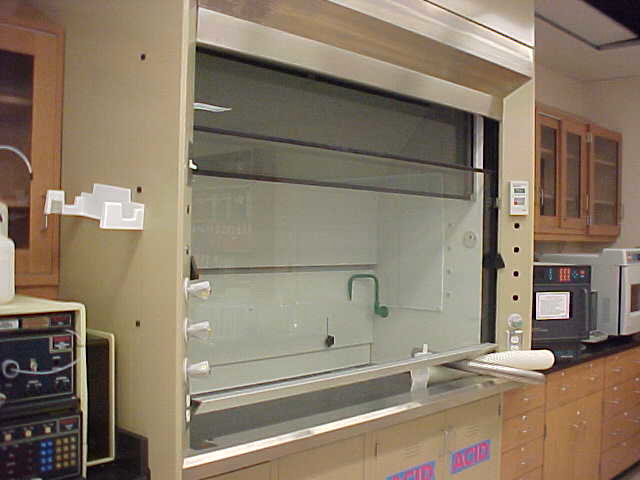
Engineering controls in the lab are physical modifications or mechanisms designed to minimize exposure to hazardous chemicals and other risks and include all “built in” safety systems. These controls are typically implemented to provide passive protection and create a safer work environment for laboratory personnel. Here are some examples of engineering controls commonly used in laboratories:
- Ventilation Systems: Proper ventilation is crucial for maintaining air quality and removing airborne contaminants from the laboratory environment. Ventilation systems, such as fume hoods, biosafety cabinets, and local exhaust systems, capture and exhaust hazardous vapors, gases, or aerosols, preventing their accumulation in the laboratory.
- All labs in our facility provide general dilution exhaust with a prescribed number of air changes per hour. Air is brought in from the outside and supplied to the labs resulting in ongoing replacement of lab air, which reduces airborne concentrations of toxic substances.
- Some of the equipment and instrumentation in our facility require a dedicated, ventilated workspace to capture, contain, and exhaust harmful or dangerous fumes, vapors, or particulate matter. These snorkel hoods are exhausted to the dilution exhaust system.
- Fume hoods should be used whenever you are working with hazardous substances. See below for important guidelines for safe fume hood use.
- Containment Enclosures: Containment enclosures, such as glove boxes, isolators, and cleanrooms, provide a physical barrier between personnel and hazardous materials, ensuring safe handling and containment. These enclosures are equipped with sealed barriers, gloves, or airlocks to prevent exposure to hazardous substances.
- Safety Shields and Barriers: Safety shields, splash guards, and barriers are used to protect personnel from chemical splashes, spills, or projectiles during laboratory procedures. These transparent shields or barriers provide a physical barrier between the hazard and personnel, minimizing the risk of injury.
- Equipment Enclosures: Enclosing hazardous equipment or processes within dedicated enclosures or cabinets helps contain spills, leaks, or emissions and prevents unauthorized access. Equipment enclosures may include safety interlocks or alarms to ensure safe operation and alert personnel to potential hazards. All labs with fume hoods have specialized chemical storage cabinets:
- Flammable cabinets are equipped with explosion proof doors. They will only work when you have the cabinet door handles in the locked position. Never store more than 10 gallons of flammables outside of an approved flammable storage cabinet.
- Acid cabinets are vented to prevent the buildup of corrosive vapors. These cabinets should ONLY be used for the storage of inorganic acids.
- Machine Guards: Machine guards are physical barriers or shields installed on laboratory equipment to prevent contact with moving parts, sharp edges, or hazardous components. These guards help protect personnel from injuries and ensure safe operation of equipment.
- Pressure Relief Devices: Pressure relief devices, such as pressure relief valves or rupture disks, are installed on pressurized equipment or systems to prevent over-pressurization and potential explosions. These devices release excess pressure safely, minimizing the risk of equipment failure or hazards to personnel.
- Secondary Containment: This control involves using secondary containers (e.g., spill trays) to prevent spills and leaks from reaching the laboratory floor or work surface. All containers used to collect effluent from analytical instrumentation should employ secondary containment to prevent spills if the primary container overflows or leaks.
Fume Hood Use
Remember that general room ventilation alone is not adequate for protecting against chemical exposures. You should use a fume hood whenever possible and be sure to follow the following guidelines to ensure your safety and the safety of those around you:
-
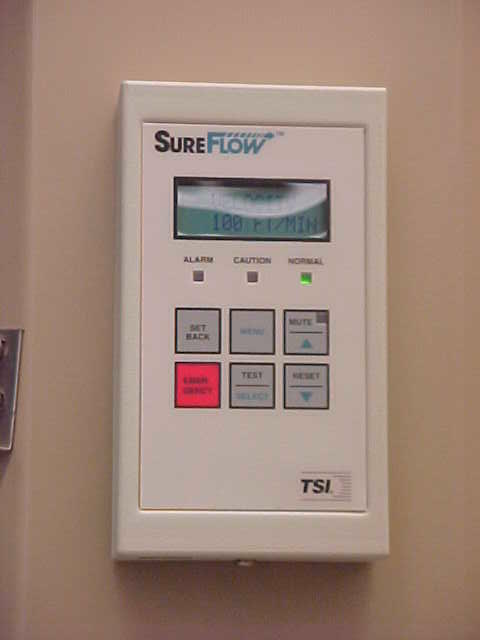
The velocity on the fume hood controller should read approximately 100 feet per minute. Always check the face velocity on fume hood controller. It should be about 100 feet per minute.
- Only use fume hoods for hazardous substance work if they have been certified within the past year.
- Never use the hood as a waste disposal mechanism (e.g., evaporating organic solvents).
- Minimize foot traffic and other forms of potential air disturbances past the face of the hood.
- Always keep hazardous materials more than 6 inches inside the hood.
- Never place your head inside an operating hood.
- Work with the sash at the lowest practicable position.
- Do not use the hood for storage and consider that clutter from equipment, containers, etc. can impede air circulation.
- Never make modifications to hoods, duct work, or the exhaust system.
- Do not use large equipment in a fume hood unless it has been dedicated for this purpose.
- Never work with hazardous chemicals if the ventilation system is not working.
Laboratory personnel should always consider available engineering controls before starting any new activity involving hazardous chemicals. If you encounter malfunctioning protective equipment, promptly report it to AL’s CHSO or Facilities Manager.
By implementing engineering controls in the lab, we can effectively mitigate hazards, reduce exposure risks, and create a safer work environment for laboratory personnel. These controls complement administrative controls, personal protective equipment (PPE), and other risk management strategies to ensure comprehensive protection against workplace hazards.