
GHS Pictogram Review: Health Hazard
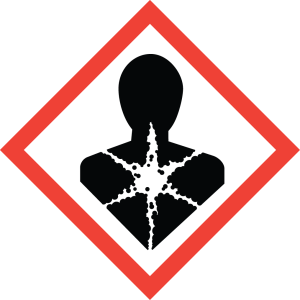
The health hazard pictogram is used to represent a broad range of health hazards, including carcinogenicity, reproductive toxicity, respiratory sensitization, target organ toxicity, and aspiration hazards. It represents substances that can cause long-term, or chronic, health effects.
Types of Hazards Represented:
- Carcinogenicity—may cause cancer with prolonged or repeated exposure.
- Respiratory Sensitization—causes allergic reactions in the respiratory system, leading to asthma or breathing difficulties
- Reproductive Toxicity—may affect fertility or harm an unborn child.
- Specific Target Organ Toxicity—repeated exposures may cause damage to specific organs over time, such as the liver, kidneys, or nervous system.
- Germ Cell Mutagenicity—causes genetic mutations, potentially leading to hereditary conditions.
- Aspiration Hazard—liquids can enter the lungs when swallowed or inhaled, causing severe lung damage or chemical pneumonia.
How to safely handle and store health hazards:
- Use Proper PPE—Wear gloves, goggles, and a lab coat. Always match PPE to the specific chemical’s Safety Data Sheet (SDS).
- Work in a Well-Ventilated Area—Use fume hoods or local exhaust ventilation when handling volatile or airborne hazardous substances. Never work in confined spaces without proper airflow.
- Avoid Direct Contact—Never touch, inhale, or ingest chemicals with health hazards. Use tongs, pipettes, or other tools to minimize exposure, and always wash hands thoroughly after handling. Practice good hygiene and never eat or drink in the laboratory.
- Store and Dispose of Properly—Keep these chemicals in sealed, labeled containers, away from incompatible substances. Dispose of them according to AL’s hazardous waste procedures.