
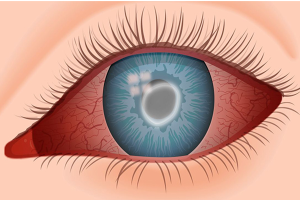
 Improperly maintained eyewash stations can create a greater hazard than those they are designed to protect against. Eyewash stations are critical emergency safety equipment intended to mitigate eye injuries when control methods do not prevent exposure to a physical or chemical irritant or biological agent. Improper eyewash maintenance may present health hazards that can worsen or cause additional damage to a worker’s eye.
Eyewash stations are a staple in laboratories, but simply having an eyewash station in your lab isn’t enough. Not properly maintaining a station can potentially cause more harm than good and even create its own emergency situation.
Water found in improperly maintained eyewash stations is more likely to contain an organism called Acanthamoeba, which is a microscopic, free-living amoeba. For many water outlets, the presence of this amoeba isn’t a direct health risk on its own. However, the situation is different for laboratory eyewash stations. Acanthamoeba thrive in stagnant or untreated water, like the water sitting in the plumbing of a dormant eyewash station. When a worker uses an eyewash station that has not been maintained, Acanthamoeba in the water may come in contact with their eyes. Ironically, the primary function of an eyewash station is to flush contaminants from the eyes. Should the eyes come in contact with this amoeba through contaminated water from the eyewash, it could potentially cause a serious eye infection called Acanthamoeba Keratitis. This is a rare but serious condition that can result in permanent visual impairment or blindness.
It’s critical to remove any chance of Acanthamoeba accumulation in eyewash stations by flushing them regularly. All lab users should flush their eyewash stations for a minimum of 15 minutes every WEEK.