
Trash Disposal: Don't Create a Hazard
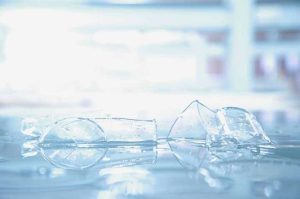
At another institution, a building custodian was lifting a bag full of trash to place in a trash barrel when a piece of glass broke through the bag and cut their leg. Fortunately, there was no infection and no stitches were required, but it could have resulted in a serious injury.
What was Learned?
How the broken glass and sharp-edged metal pieces came to be in the trash bag was not determined; however, it was undoubtedly placed there by someone who did not recognize the hazard that it presented for the person having to later handle the bag.
Each of us has a basic responsibility to assure that our actions do not degrade the safety quality of the working environment around us.
Recommended Actions
- Clean broken glass should never be placed directly in lab or office trash cans. Only containers specifically designated and labeled for the purpose of broken glass should be used. If such a container is not available, place it directly into the trash dumpster inside a labeled and taped cardboard box.
- Use special plastic “sharps” containers to dispose of sharp metal objects, like syringe needles, scalpel blades, etc.
- Fluorescent tubes are considered hazardous waste and require special handling. They should be packaged and disposed of as hazardous waste.