
The Story of Tim and the Wrong Eye Protection
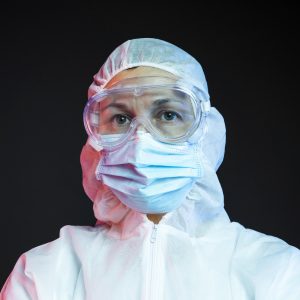
Back in 1969, Tim was working in a busy lab in New York City. He was careful and followed most safety rules. He always wore safety glasses when handling chemicals. But one day, that wasn’t enough.
Tim was working with a chemical called dicyclocarbamide. He was pouring it carefully into a beaker when it suddenly splashed up. The liquid flew straight toward his face. His safety glasses covered his eyes, but they weren’t sealed. Some of the chemical slipped around the edges and hit his eyes.
Immediately, Tim felt a burning sensation. He dropped everything and rushed to the eye wash station, flushing his eyes with water. But the damage had been done. He was rushed to the hospital, where doctors treated his eyes for chemical burns.
Tim had to take two weeks off work to recover. His eyes were in constant pain, and he couldn’t see clearly for days. It was a long, uncomfortable process, all because his safety glasses didn’t fully protect him from splashes.
If Tim had been wearing splash goggles, which seal completely around the eyes, he could have avoided the injury. From that day on, Tim always made sure to wear the right protection for the job. Safety glasses are good for impact protection, but for chemicals, splash goggles are a must.
Tim’s story became a lesson for everyone in the lab: choosing the right eye protection can be the difference between safety and a painful accident.
The best eye protection for lab work depend on the type of hazards you might face. Here’s a quick guide to help you choose the right goggles:
1. For chemical splash protection:
- Splash Goggles: These goggles are the best choice when working with liquids that could splash. They provide a tight seal around your eyes, ensuring that no chemicals can get in from the sides or bottom.
- Look for goggles with indirect vents (vents that prevent splashes from entering) or no vents at all for maximum protection.
2. For working with impact hazards:
- Safety Glasses: If you’re working with solid objects, like flying debris or particles, safety glasses with side shields are usually enough. They protect your eyes from impacts but don’t seal around your eyes like goggles do.
- Impact Goggles: These look like splash googles, but don’t be fooled. They are riddled with tiny holes making these goggles only appropriate for impact hazards.
- If there’s potential for a splash, however, safety glasses are not enough.
3. For working with gases or fumes:
- Non-Vented or Indirect-Vented Goggles: When dealing with fumes or vapors, use goggles that are either completely sealed (non-vented) or have indirect vents. This ensures that harmful vapors can’t get into your eyes.
4. For lasers or UV light:
- Laser or UV-Protective Goggles: If your work involves lasers or intense light, use specialized goggles designed to filter out harmful light wavelengths. Regular goggles or safety glasses won’t protect you from these types of hazards.
Key Features to Look For:
- Anti-fog coating: To keep the goggles clear during use.
- Comfortable fit: Adjustable straps and soft edges help prevent gaps while making them more comfortable for long periods of use.
In short, for general lab work involving chemicals, splash goggles with indirect vents are the best choice to protect against splashes and vapors.