Appalachian Lab
Monthly Newsletter

We’re very excited to announce that Miriam and Matt were each awarded funding from The Appalachian Laboratory Investors Network (TALIN) for the upcoming year.  This program was developed to provide private funding for early-stage research on environmental issues of importance to the Appalachian region that has potential to be transformative.

Matt’s project is Mapping of Red Spruce Forests Using Advanced Deep Learning

Miriam’s project is Calibration and simulation of the iLand Model for Central Appalachian Region

Congratulations to both Miriam and Matt.  Be on the lookout for more information about both of these projects in upcoming AL newsletters.

New AL Faces

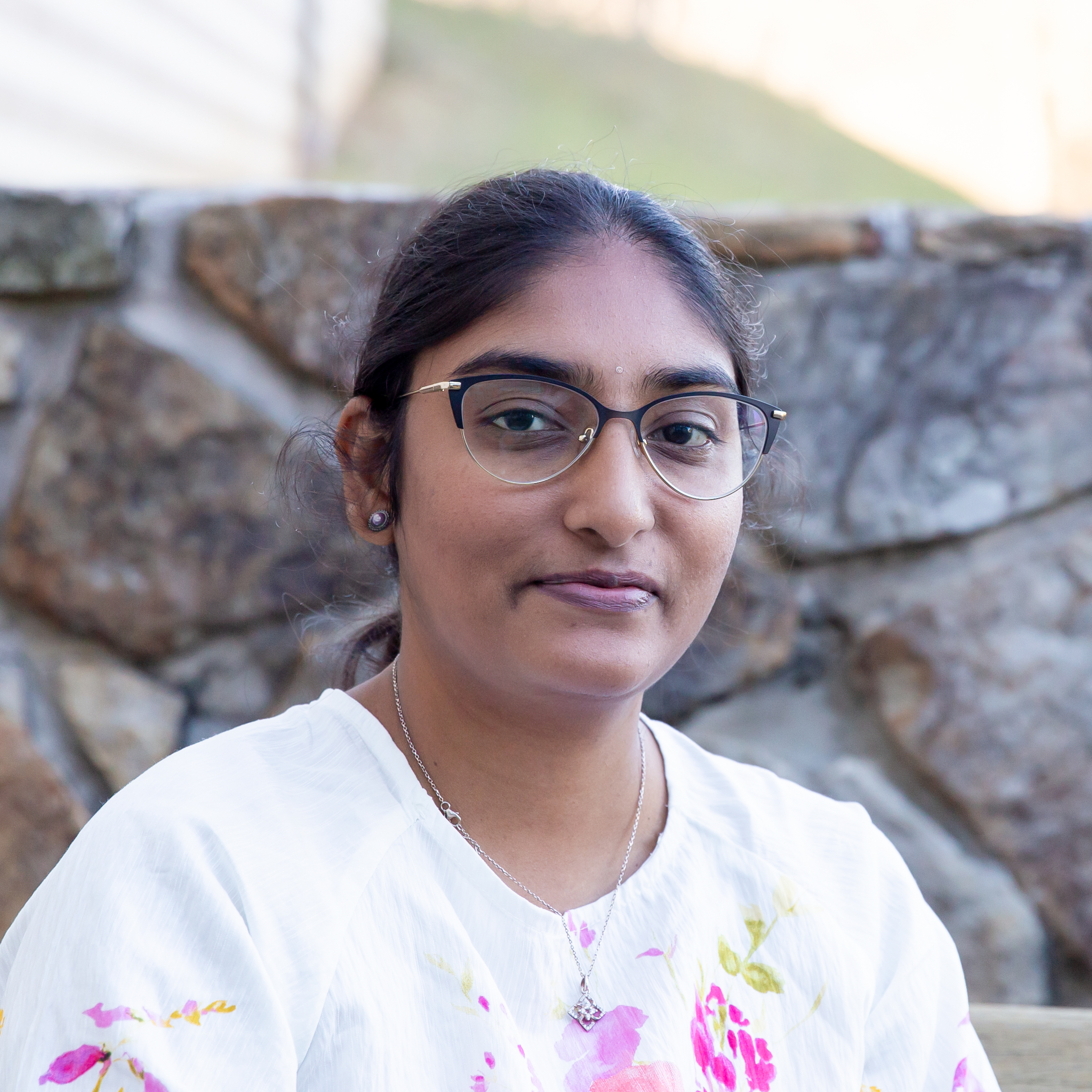
Baby Keerthi Thirunagari, Faculty Research Assistant

Baby will be working with Xin Zhang on the Nitrogen 2.0 project. She has been a Ph.D. student at the Indian Institute of Technology Delhi where she worked on Indian agricultural emissions.  She prepared an updated localized emission inventory for agriculture sector of India at 11 km * 11 km spatial and monthly temporal resolution and then used Weather Research and Forecasting Model coupled with Chemistry (WRF-Chem) to validate the emission inventory against various satellite datasets such as MODIS AOD and IASI NH3 data.  In her spare time, she likes to cook and play badminton.

Recent Achievements/Successes/News

We have been busy participating in and hosting a variety of activities, events, and visitors over the past month.  Here are some of the highlights:

UMCES Centennial Event

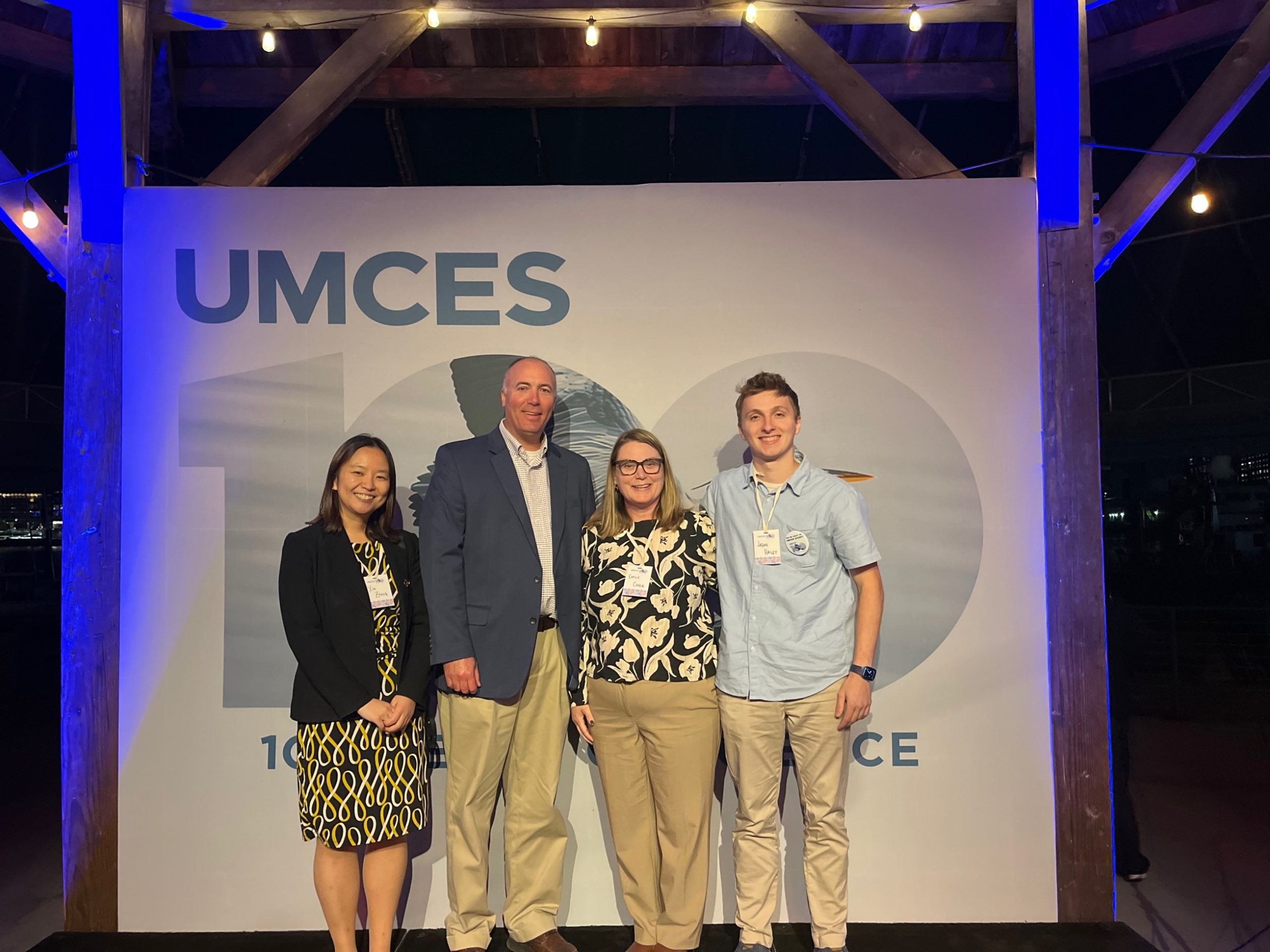
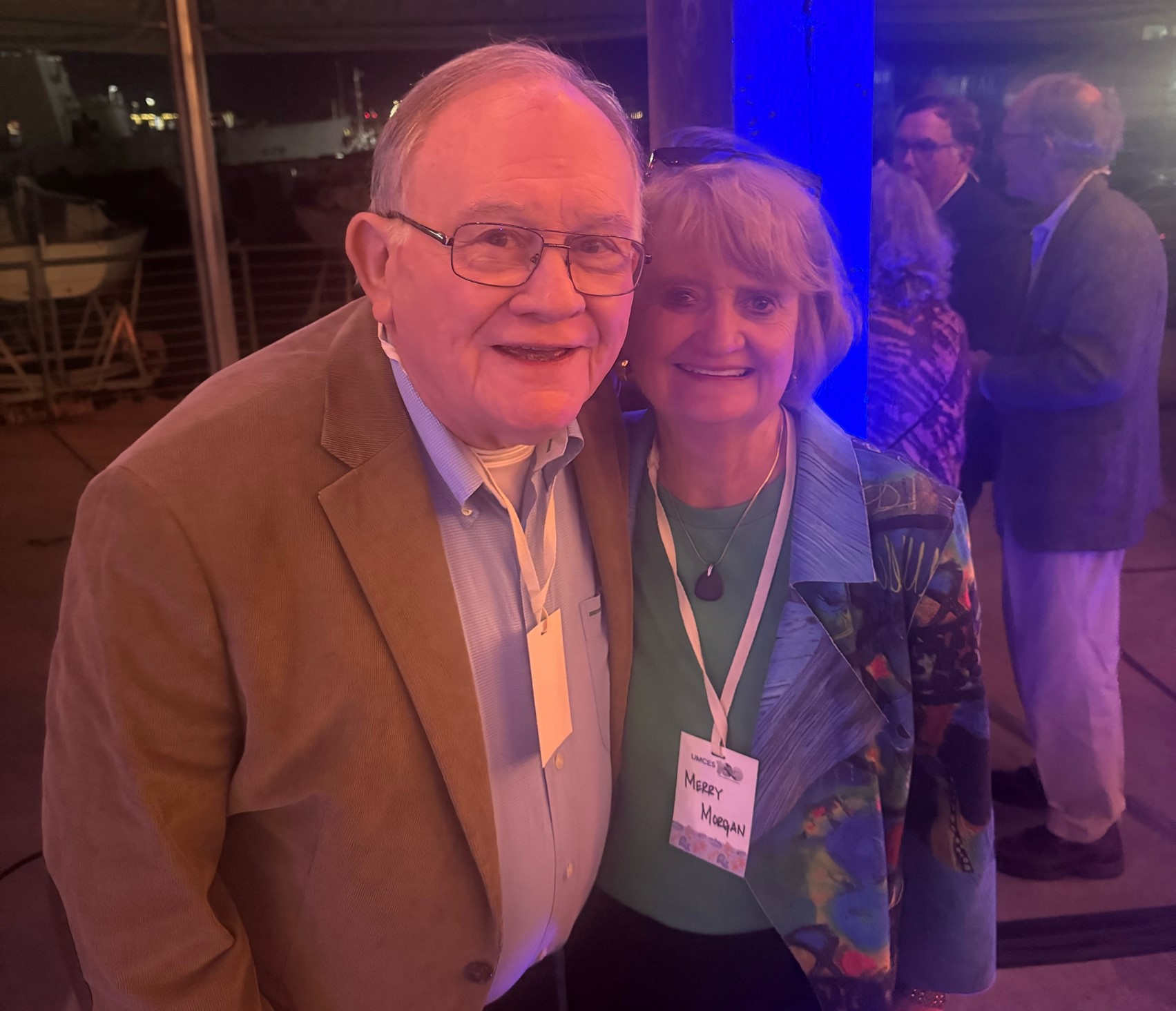
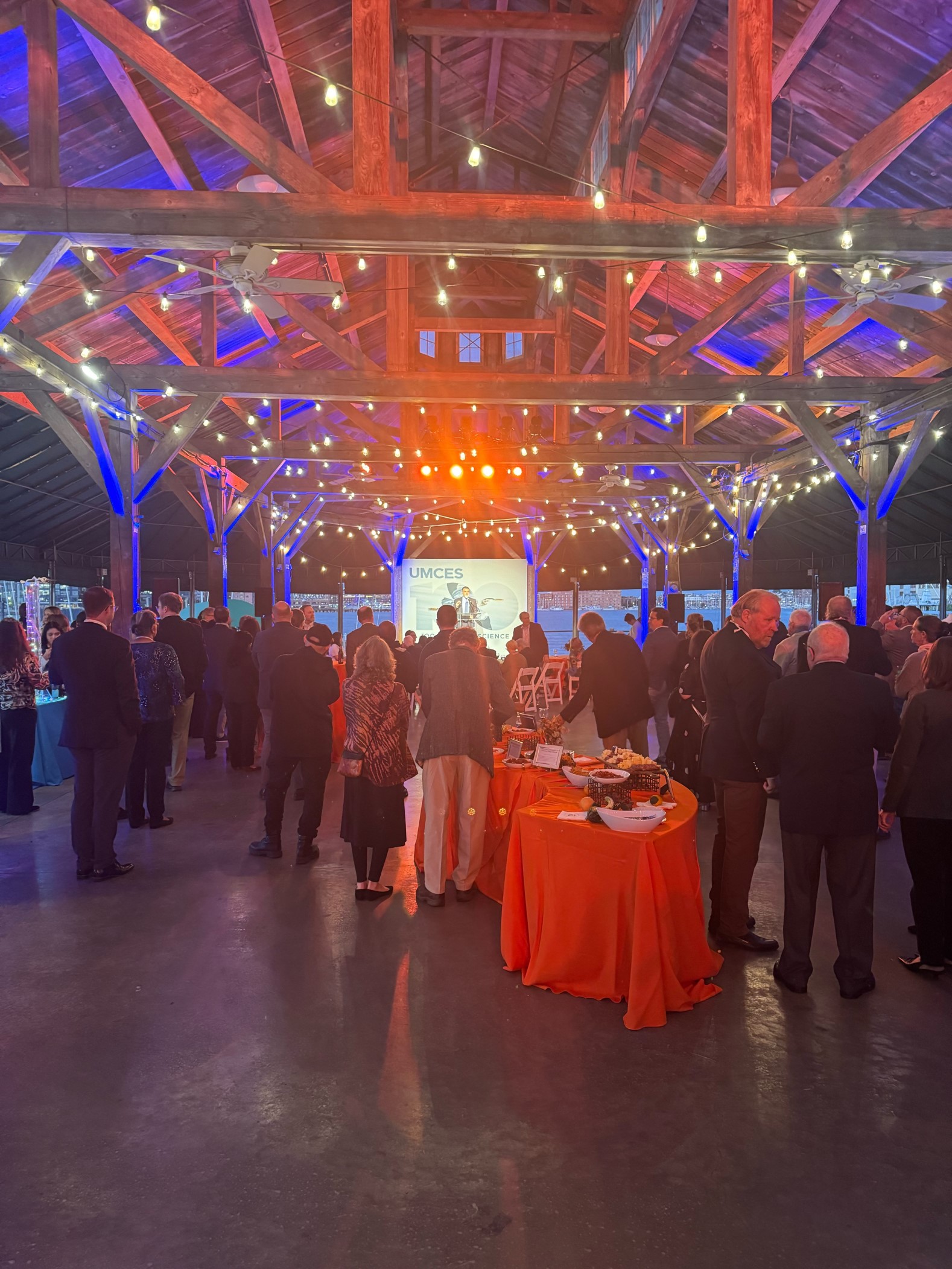
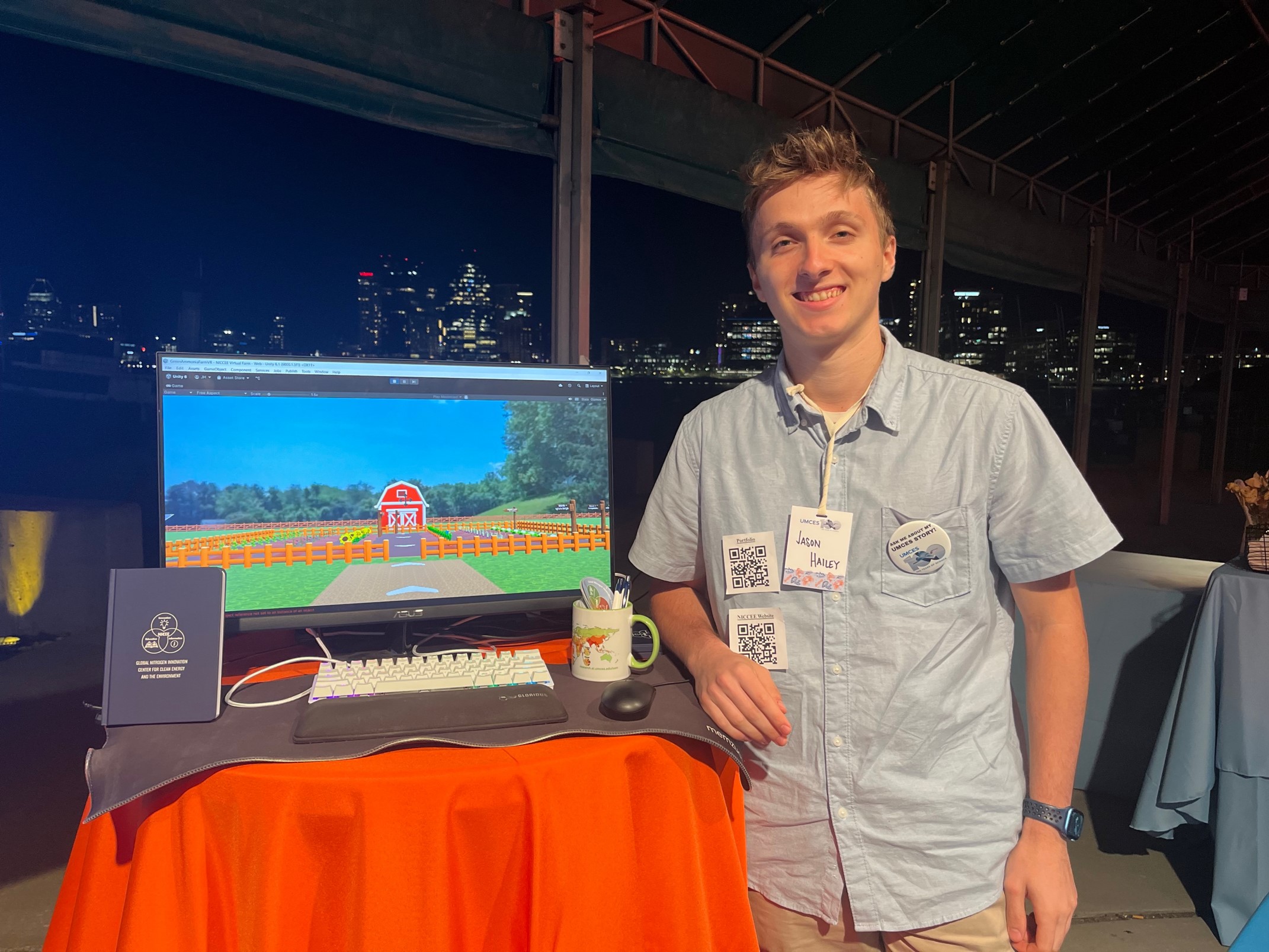
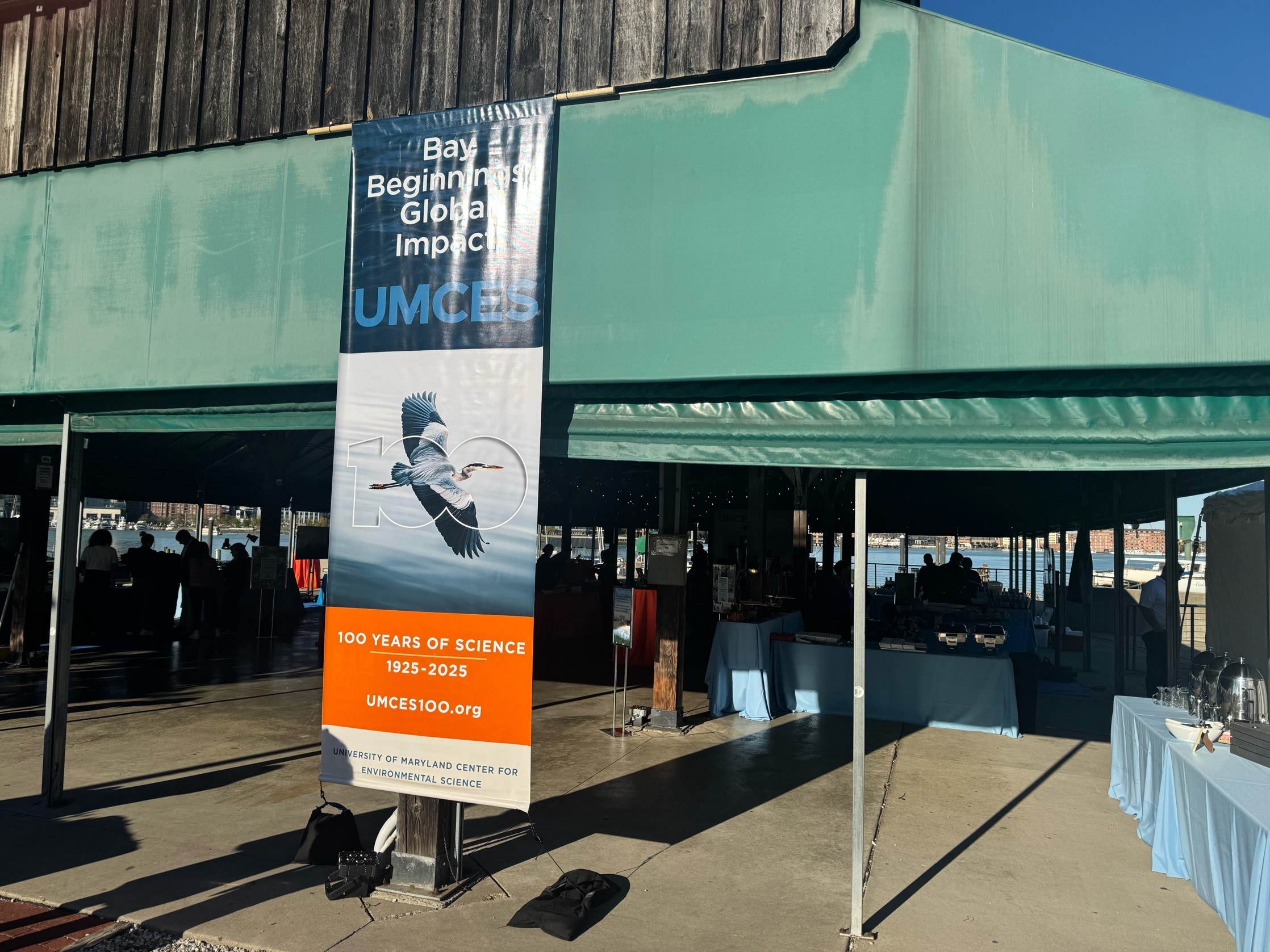
The capstone UMCES Centennial event was held on October 9th at the Water’s Edge under the pavilion at the Baltimore Museum of Industry. Dave, Emily, Xin, Ray Morgan, and Jason Haley (Summer ’25 AL Intern) attended and represented AL.  Jason demonstrated the VR tool that he developed in support of the NICCEE project.  Click here to check it out.

Here are some photos from the event:

MEES Colloquium

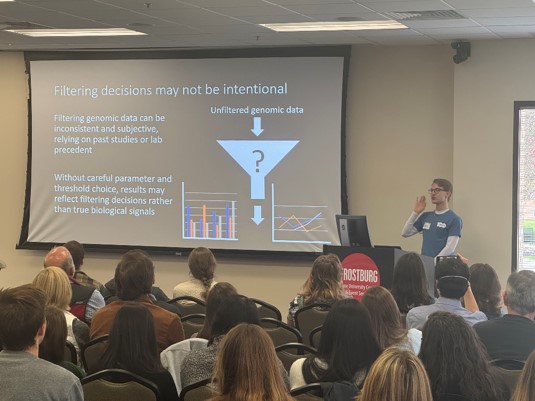
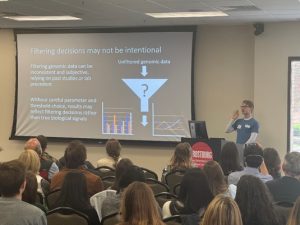
AL hosted the MEES Colloquium on October 24th and 25th.  Day 1 was held at FSU’s Lane Center and over 100 attendees represented the various MEES campuses.  A number of AL graduate students gave lightning talks and presented posters.  Day 2 events/activities include:  workshops on LLM and seagrasses, a 5K run/walk on the GAP trail, and a nature walk at Finzel Swamp. Oh, and we ran out of pizza for lunch!  Many thanks to everyone who helped make the event such a success and thanks to members of the lab community who skipped lunch to make sure that our guests had enough to eat!
Deep Creek Watershed Event

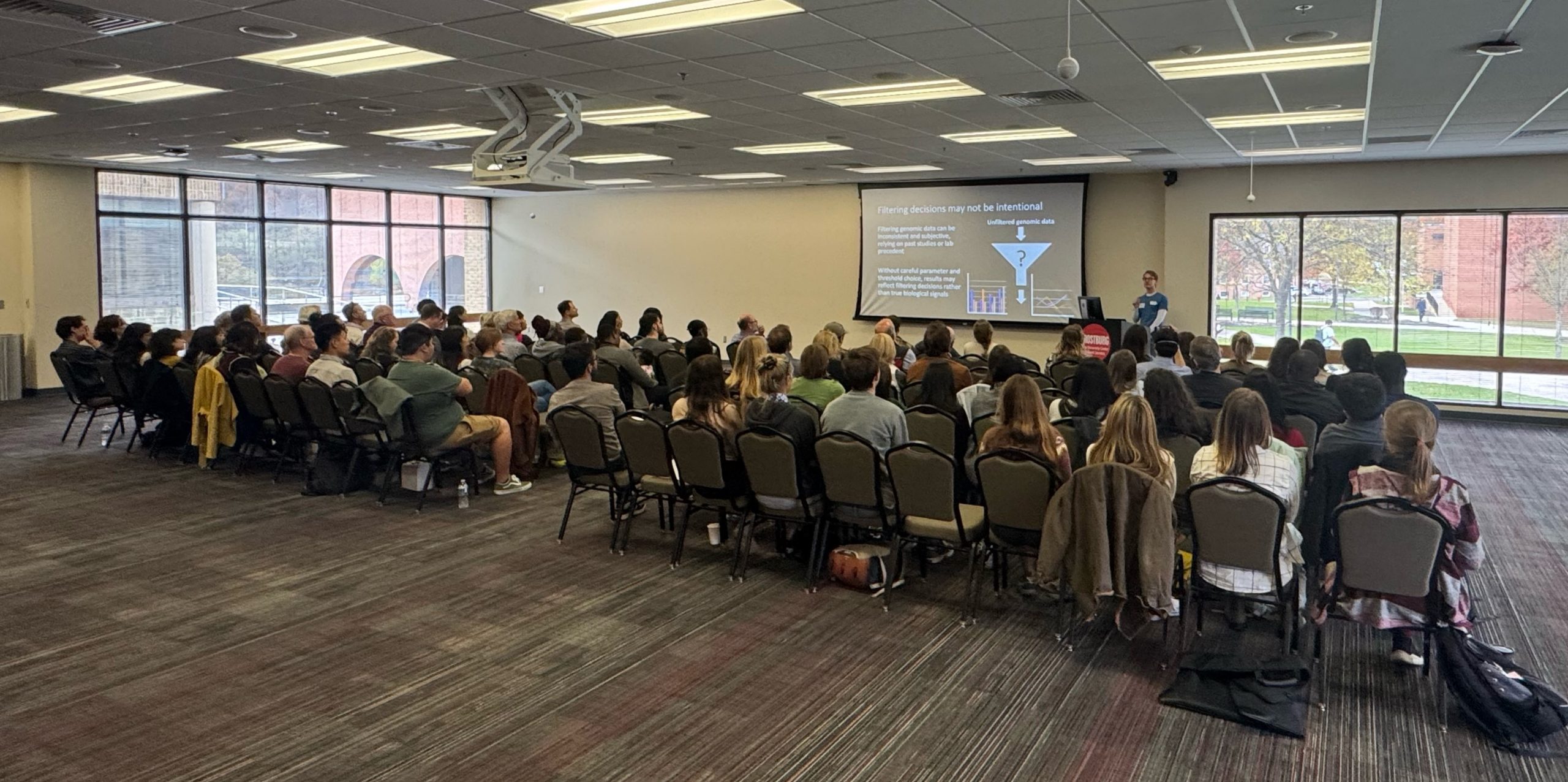
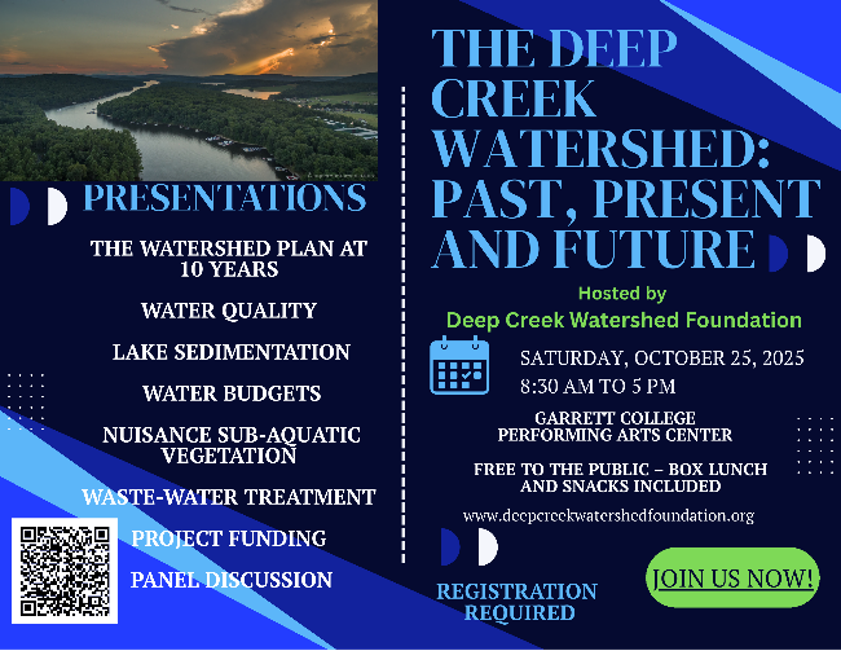
Dave and Keith recently attended a Deep Creek Lake Centennial event:
Visitors to AL

We also hosted Allegany County Public Schools’ Superintendent, Dr. Michael Martirano, and Allegany County Commissioner Robert Atkinson each for tours of our facility.
Watershed Moments Community Learning Event
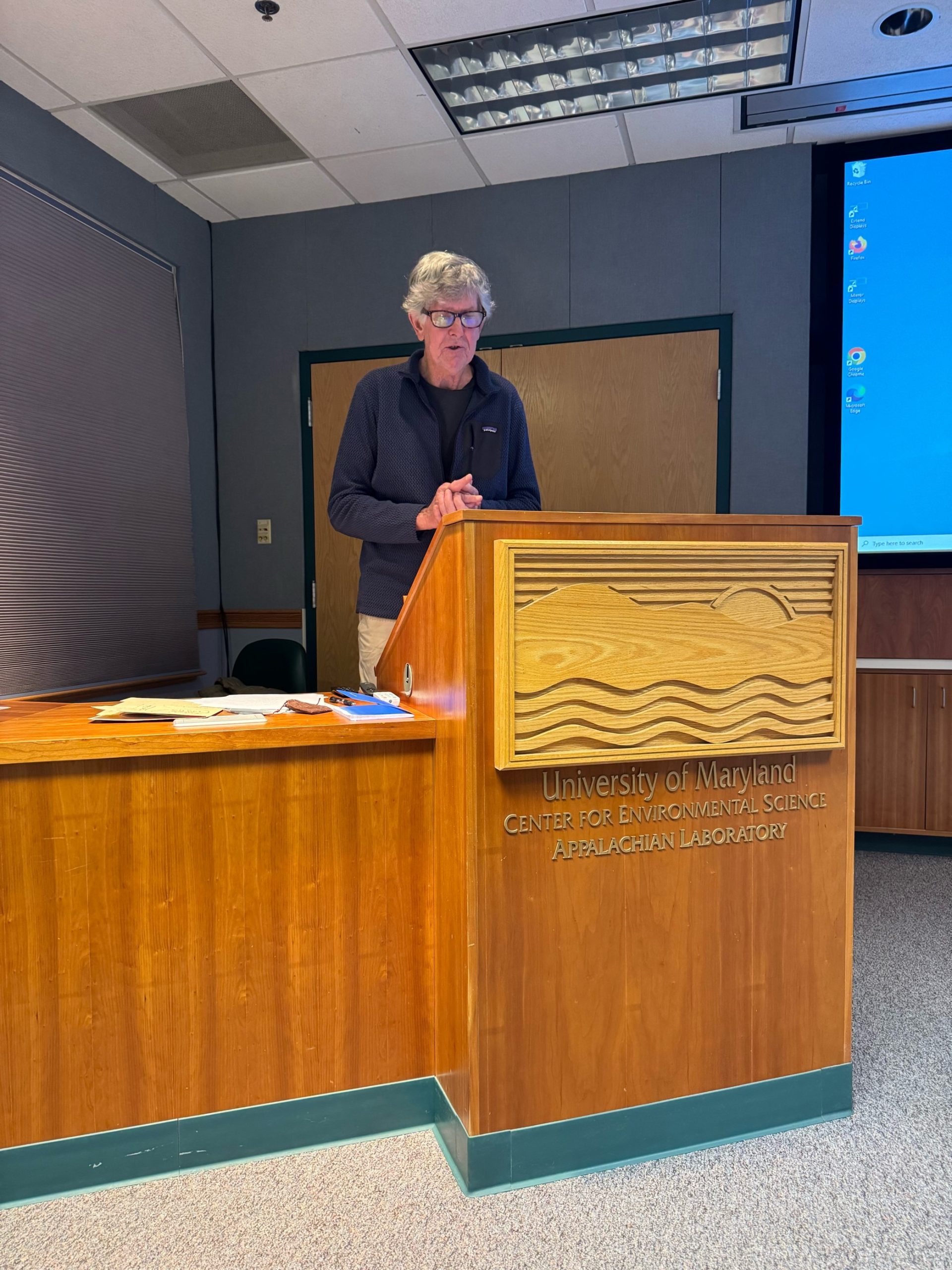
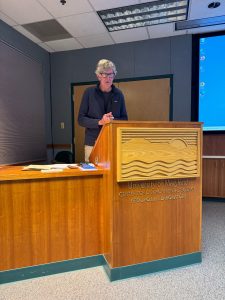
We held the second of our Fall 2025 Watershed Moments Community Learning Events here at the lab.  We hosted Tom Horton, a retired Baltimore Sun reporter, author, filmmaker, and Bay Journal contributor.  In addition to his public presentation, he also met with an assortment of members of the AL community to learn more about our work to generate ideas for and inform future news stories.

Frostburg Halloween Parade
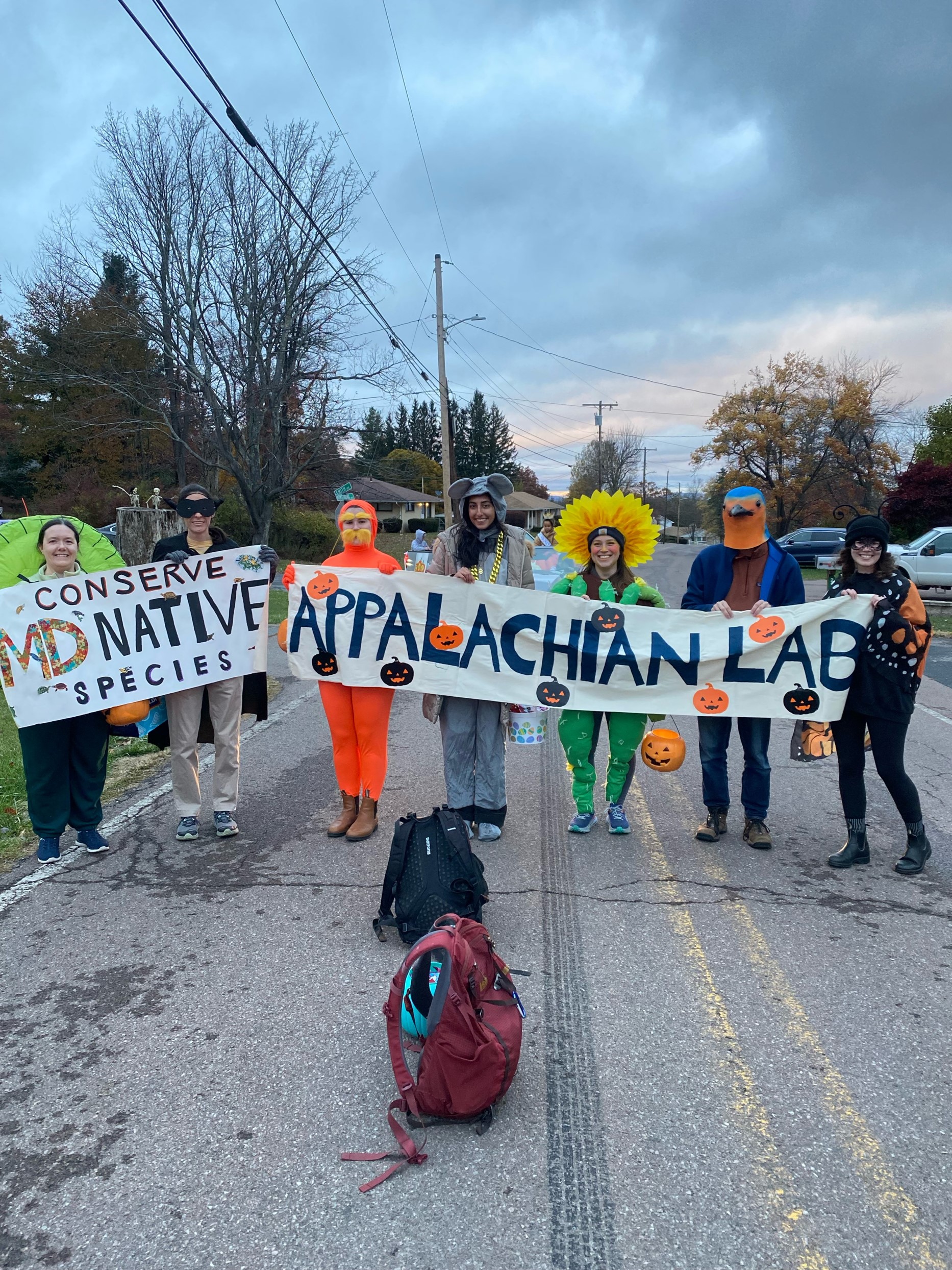
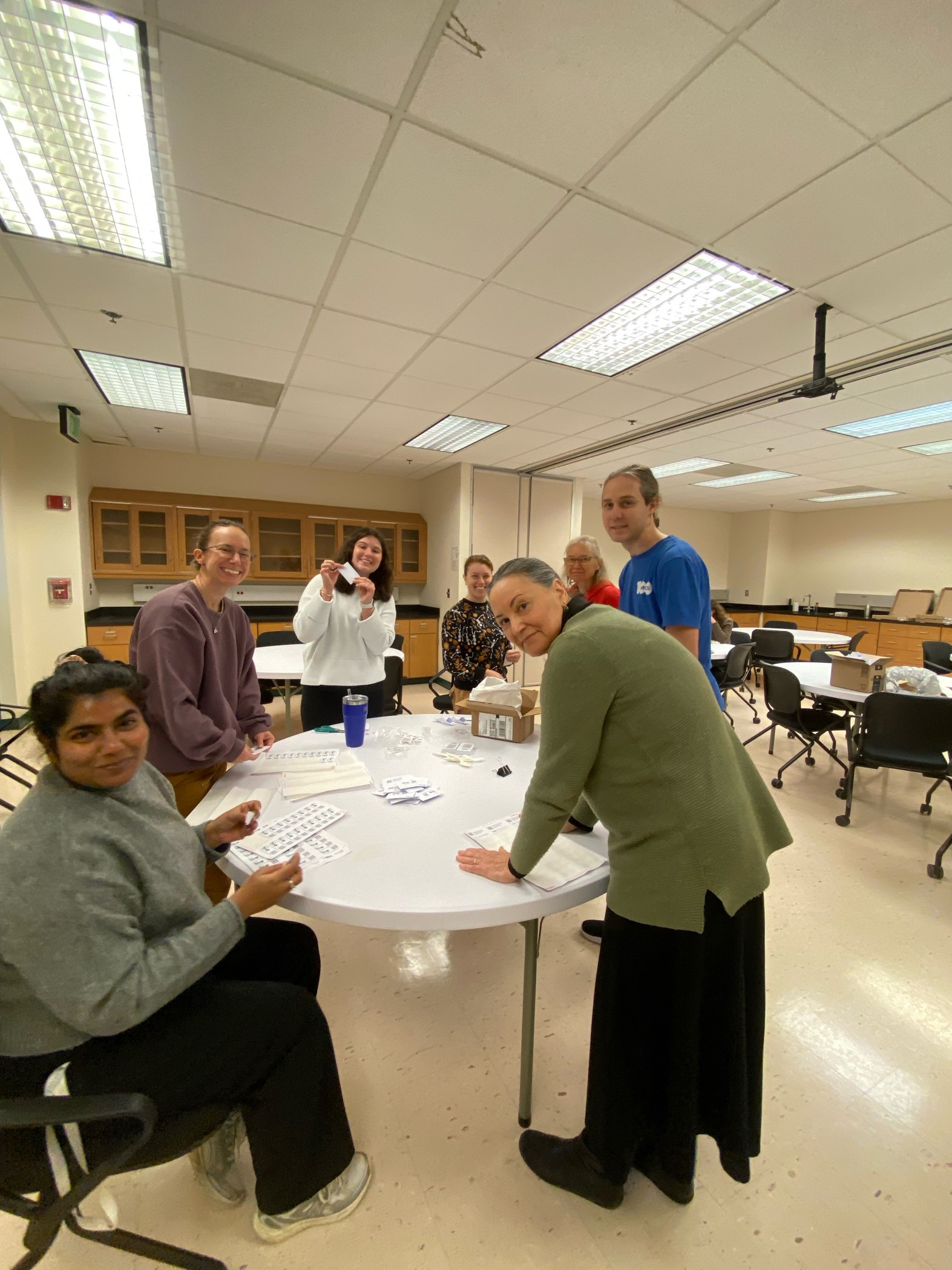
Members of the AL community participated in the Frostburg Halloween Parade for the third year in a row.  Many thanks to everyone for their candy donations and for helping to prepare native wildflower seed packets for distribution at the parade.

DEI Update

Why DEI?

The AL DEI group wants to raise awareness of what DEI is and why it’s relevant to you.  This semester’s theme is “Why DEI?”.

This month, we want to highlight how diversity improves science.

Why are you interested in the things you’re interested in? The questions scientists ask are often shaped by their life experiences. Maybe you study what you do because you had a formative experience as a child, or an early mentor who introduced you to a particular topic. Our values, identities, and life experiences shape the questions we ask, the organisms we study, the observations we make, and the conclusions we reach.

Since Darwin, scientists have thought that mostly male birds sing, but thanks to women ornithologists considering the female perspective, we now know that female birds are quite the vocalists as well!

As a result, teams of scientists with a diversity of perspectives and experiences are more productive and innovative.

So, another answer to the question “Why DEI?” is because it leads to better science!

Next month, we’ll talk about why DEI is a necessary component of a strong community!
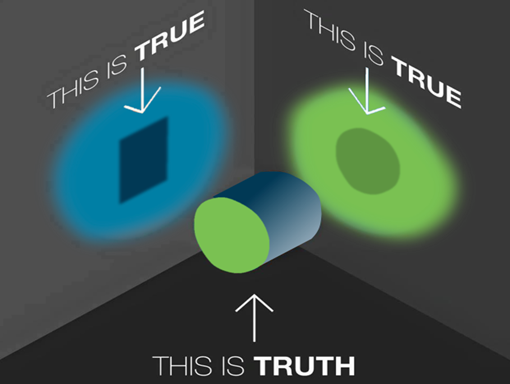
Science is limited when most scientists are looking at a problem from the same standpoint.

Questions, comments, concerns?

Complete our anonymous feedback form!

Spotlight on Safety - Ergonomics

Are you sitting smart?

Good ergonomic habits protect your body from strain, fatigue, and long-term injury, especially when you spend hours at a desk or computer.

Maintaining neutral joint angles is critically important because this keeps your body working the way it’s built to work. When your wrists, elbows, shoulders, neck, and back are in their natural, relaxed positions, your muscles don’t have to fight to hold you up. Blood flows better. Nerves glide the way they’re supposed to. And your joints aren’t being pushed or twisted into awkward positions.

When you drift out of neutral, like bending your wrists to type, reaching your arms too far forward, hunching your shoulders, or craning your neck toward a monitor, your body has to work harder. That extra effort adds up. Over a workday, it can cause fatigue. Over weeks and months, it increases your risk of strains, tendonitis, nerve compression, and long-term musculoskeletal disorders.

Keeping neutral angles is one of the simplest ways to prevent injury at a computer workstation. It supports comfort, reduces fatigue, improves accuracy, and helps you stay productive without wearing your body down.

Use the following interactive graphic to explore the key elements of a healthy workstation setup, from chair height to monitor placement. Each label highlights a small adjustment that can make a big difference in your comfort, focus, and overall well-being.

Keep in mind that there is no single “correct” posture or arrangement of components that will fit everyone. You may need to make adjustments to 

Administrative Reminders - Winter Weather

When the laboratory is going to operate under a delayed opening or close for an entire day due to inclement weather, the administration will:
 
  1. Make an announcement via Omnilert (formerly e2campus) by 6:45 a.m. – Please make sure that you are signed up for OMNILERT (formerly e2campus) – any communication related to delays or closings will be sent via this portal and will be delivered to the cell phone number and/or email address that you provide when you register.
  2. If you need to come into the lab on days when there is a delay or a closure, please do not come into the laboratory prior to the opening time or if we are closed, do NOT come in until after 10 a.m. This will allow time for maintenance to clear the parking lot and sidewalks of ice and snow. *Note* – if we are closed, the sidewalks and lot may NOT be cleared prior to the next business day.
  3. On days where the lab is closed or operating under a delay due to weather, please park in the areas that have already been cleared of snow to allow maintenance to continue clearing lots.

SAFETY is our main concern so even if the lab opens, but you feel that conditions are still unsafe at your home location for travel, DON’T TRY TO TRAVEL TO WORK!!! Leave will be granted liberally and you should inquire with your supervisor about teleworking (if position eligible).


Please remember to NOT leave vehicles parked overnight – maintenance needs to be able to clear the lot and clear the fleet vehicles of snow.  If you are going on an overnight trip/etc. and your vehicle MUST remain at the lab overnight, please park in a lot other than the one adjacent to the side entrance (directly across from the fleet vehicle parking area – also remember to NOT park in the area assigned to the fleet vehicles at any time).  You should also leave a spare key with someone in the admin area if you are going to be away for an extended time period in case we do get significant snowfall and need to move your vehicle for clearing of the lot.


If you are loading/unloading from the dock area, please be sure to keep the INTERIOR DOORS CLOSED to prevent significant heat loss – once you have everything inside the building and shut the exterior doors, then the interior doors can be re-opened.


HOUSEKEEPING REMINDERS – Even though we are now lucky to have a full time custodian on staff, please do your part in helping to keep the building clean – with the muddy season forthcoming, try to not track mud/dirt thru the laboratory and if you do make a mess, please let Heather know so that we take care of it.

Recent Publications

Raymond P. Morgan II, Donna M. Gates, and Matthew Kline. 2025. Growth and Prey Selectivity in Young-of-Year Brook Trout (Salvelinus fontinalis).  Northeastern Naturalist.

Neal, C.J., Zbinden, Z.D., Douglas, M.E. & Douglas, M. R. 2024. Reducing DNA extraction costs through factorial design for the DNAdvance Kit. BMC Research Notes.

Zbinden, Z. D., Chafin, T. K., Tiemann, J. S., Edds, D. R., Martin, B. T., Hofmeier, J., Douglas, M. E. & Douglas, M. R. 2025. Historic and contemporary selection define conservation units for a short-range endemic within an anthropogenically-altered riverscape. Global Ecology and Conservation.

Martin, B. T., Zbinden, Z. D., Douglas, M. E., Douglas, M. R., & Chafin, T. K. 2025. A deep learning approach to predict geographic provenance of biodiversity samples from genomic SNPs. Bioinformatics Advances.

Matthew C. Fitzpatrick, Stephen R. Keller, Katie E. Lotherhos. 2025. The challenge of genomic forecasting in an era of global change. The American Naturalist.

Brittany M. Verrico, Thibaut Capblancq, Matthew C. Fitzpatrick, Stephen R. Keller. 2025. Reciprocal evaluation of genomic offset predictions of climate maladaptation with independent empirical datasets. The American Naturalist.

Mark Your Calendars

  • Active Shooter Training:  Nov. 20 @ 1:00 PM
  • Seminar by Ashley Dayer (Virginia Tech): Dec. 5 at 11:00 AM
  • TGIF: Dec. 5 at 3:00 PM
  • Seminar by Joaquin Martinez Martinez, HPL: Dec. 12 at 11:00 AM
  • December Town Hall:  Dec. 15 @ 11:00 AM
  • AL End-of-Year Party: Dec. 15 @ noon


Do you have an announcement or update you’d like to include in a future newsletter?

AL’s monthly newsletter is issued following the monthly town hall meeting.  Please submit any announcements and updates to Katie Kline or Heather Johnson before the close of business on the first Friday of each month to ensure that your content can be included in that month’s newsletter.

Quick Links