In early June I had the pleasure of attending the Community Trust Foundation’s 2025 award reception in Cumberland. The Trust exists to connect philanthropy to local causes in our community. During the reception, the Trust awarded $460,000 to 32 nonprofits in Allegany, Garrett, and Mineral counties (see photo). The Appalachian Lab applied for, and received, funding to support two students in our internship program this summer.
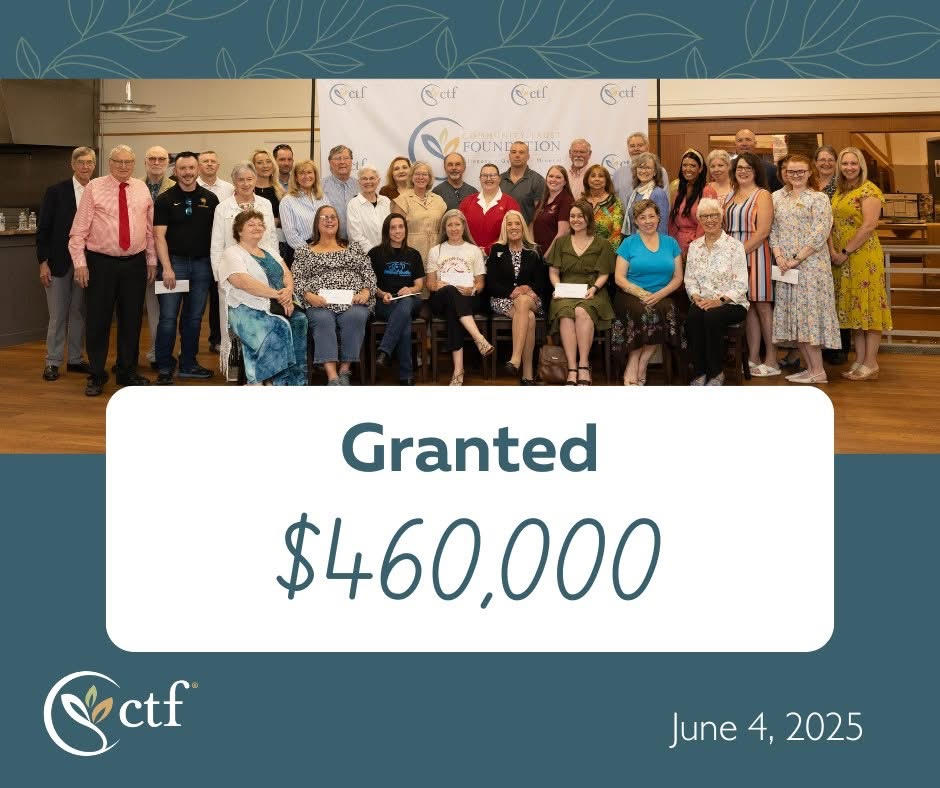
We are grateful to the Trust, and specifically their Naylor Family Trust Fund, for support of our program!
Dave

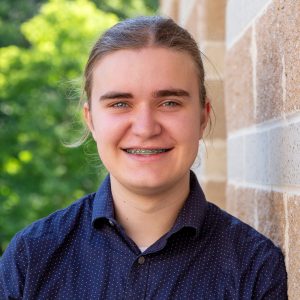
My name is Jude Gibson-Thoele and I just graduated from Allegany High School in May, but have been taking classes at FSU in math and science working towards my degree in Mechanical Engineering. In the fall I will continue to pursue my degree at Lehigh University while also minoring in Mandarin Chinese. This summer I will be working with Dr. Fitzpatrick to use aerial photography for mapping Red Spruce across Maryland and the surrounding states. In my free time I enjoy playing games outside, working on engineering projects and training service dogs through America’s VetDogs.
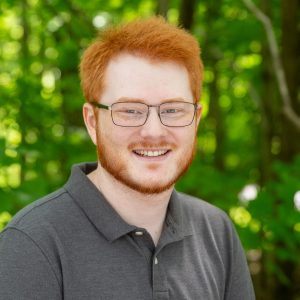 Hi, my name is Rob Knotts, and I’m working with Tan Zou as a returning intern to continue my work from last summer. We’re working with an agricultural nutrient dataset to build a nutrient flow dashboard that allows stakeholders to view the data, analyze past trends, and create alternate scenarios by modifying the data. Since the end of the program last summer, I’ve graduated from Frostburg State University with my bachelor’s degree in computer science and am already at the halfway point of my master’s degree in applied computer science.
 I recently graduated from Meredith College in Raleigh, NC where I received my bachelor of science in biology and public health with a minor in chemistry. I also played lacrosse for the collegiate varsity team and we recently defended our 11th straight conference champion title. I will be working with Dr. Sarah Garvey and Dr. Xin Zhang on science communication materials for NICCEE. I am excited to learn more about green ammonia and its environmental impacts and further develop my writing skills. In my free time I like to hike with my dogs, read, knit, bake, and spend time with my friends and family. This isn’t my first internship with UMCES but it is my first through the Appalachian Laboratory so I’m looking forward to meeting new people!
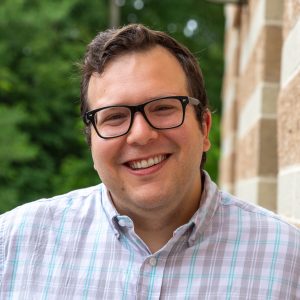 Luca isn’t technically a new face to the AL community, but we want to officially welcome him after being recently hired as a new postdoctoral researcher to work with Emily Cohen and Matt Fitzpatrick: I am a forest landscape ecologist and will be using machine learning and GIS to identify migratory bird habitat in Appalachian forests. This research will be co-produced with the Appalachian Mountains Joint Venture and incorporated into regional conservation and forest management plans. Prior to joining UMCES, I was a postdoctoral fellow at the Smithsonian’s National Zoo & Conservation Biology Institute (NZCBI). I earned my Ph.D. in Earth & Environment at Boston University in 2023 and a B.S. from Cornell University in 2013. Outside of work, I can be found enjoying the outdoors and tending to my garden.
Fond Farewells
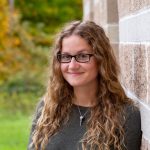 Claire Nemes will be leaving in August for a postdoctoral researcher position at the Smithsonian Conservation Biology Institute to work with American kestrels. As a both a graduate student and a postdoc, Claire made immeasurable contributions to AL. In addition to all of her research, Claire was instrumental in helping to establish and guide our DEI committee to where it is today, contributed to the UMCES Principles of Conduct, helped to host and organize many fun adventures for the AL community, and helped protect countless birds from our windows by helping to institute the protective film on our windows.
 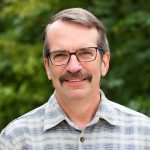 Eric Davidson, professor and former director of AL, retired at the end of June. In Dave’s words, “After a distinguished career as the world’s leading scientist studying the biogeochemistry of nitrogen, that invisible but essential thread that connects our ecosystems, Dr. Eric Davidson is retiring. As I know you agree, Eric has been a tremendous leader, mentor, researcher, citizen, and friend during his past decade at AL and UMCES. While I’m sure Jean has many items on the honey-to-do list (starting tomorrow morning, Eric!), I know Eric will continue to remain active with science and UMCES during his well-deserved retirement. Congratulations, Eric!” Although Eric’s official appointment has ended, he is planning to continue to work with many of us from the AL community, as well as with many in scientific community at large. He is helping to lead an emerging project at the NGO “Spark Climate Solutions” on developing truly transformational approaches for reducing losses of nitrogen and other nutrients from food production systems.
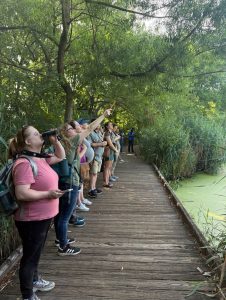 Workshop for Secondary Educators
Earlier this month, 12 middle and high school science teachers from six Maryland counties participated in a workshop led by AL’s Animal Migration Research Group (Emily & Claire) and the Towson University Center for STEM Excellence (Dr. Mary Stapleton). Over the course of three days, teachers ventured into two Baltimore parks to collect real-world data on phenology – the timing and patterns of seasonal events – using citizen science tools like iNaturalist and eBird. Returning to the classroom, teachers explored datasets collected by millions of volunteer observers and worked on translating those observations into real-world data stories. This workshop marked the launch of the 2025-2026 cohort of the professional learning community during which teachers will develop and then implement their own phenology-based lessons in their own classrooms integrating hands-on observation, data, and storytelling.
One powerful takeaway echoed across the group: students need more than just numbers—they need stories. As one teacher put it:
“Using simple data in phenological changes makes it more accessible and engaging for students by providing relevant context and narrative structure. This approach will greatly improve content understanding, enhance scientific vocabulary growth, and encourage critical thinking as students interpret and communicate real-world phenomena.”
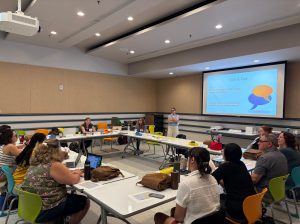
By grounding science education in local observations, this work will hopefully support deeper student engagement, climate literacy, and authentic scientific thinking—one seasonal shift at a time.
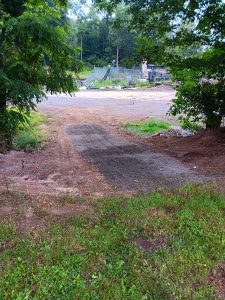 Walking Path Progress
Fall Seminar Series Update
We’re still trying to finalize the Fall Seminar Series and are in need of additional speakers. If you’d like to invite someone, please coordinate with Rhonda. Here’s the link to the current schedule.
New Science Illustrator at Sea Grant
Talia Mastalski has been hired as a scientific illustrator at Maryland Sea Grant. She is available to assist with illustrations or graphical abstracts that you may need for a publication or presentation.
The DEI group wrapped up Pride Month at the end of June at the Allegany County Pride event at Canal place. Many thanks to everyone who helped out to make AL’s participation in Pride such a success.
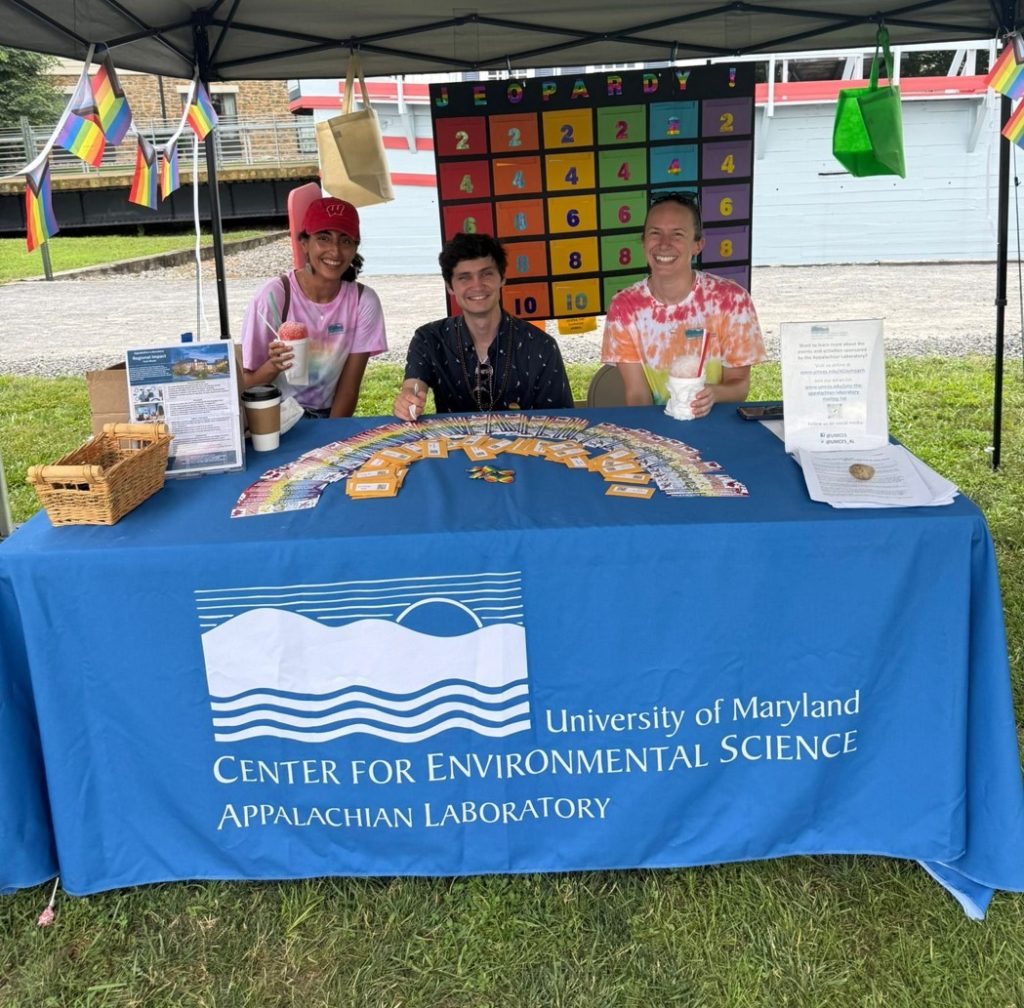
The AL DEI Group is planning several new working groups aimed at supporting DEI in various ways in our lab community. Please take a moment to check out this spreadsheet to learn more and sign up for the new initiatives these working groups will undertake (including an early-career scientist invited seminar speaker, support for international members of the AL community, broadening DEI education at AL, and more). We are in need of group leads for some of these working groups, and are seeking volunteers for all of them, so please add your name to the sheet if you’re interested in participating!! You can reach out to Brian or Joely for further information or with any questions.
The next DEI meeting is scheduled for Thursday, July 24th at 2 pm.
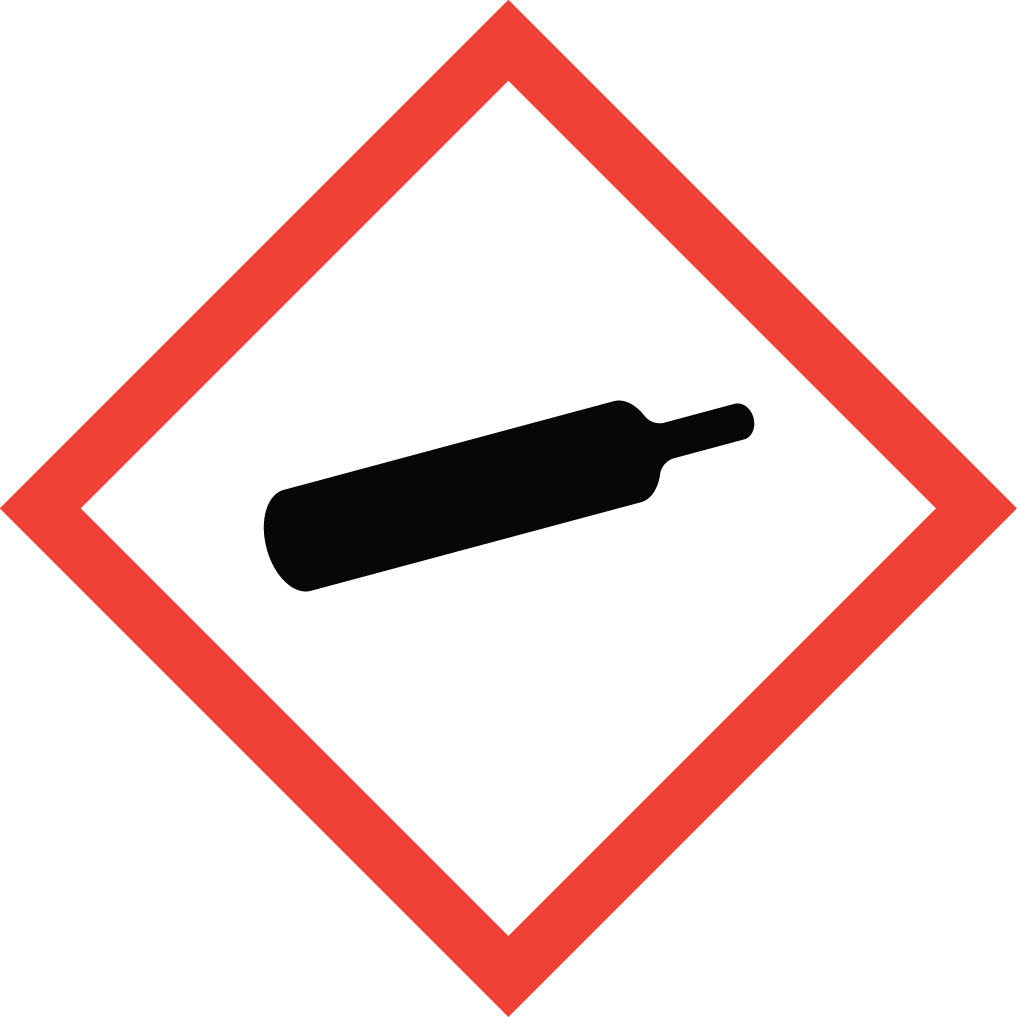
Gas Cylinder
Gases under pressure
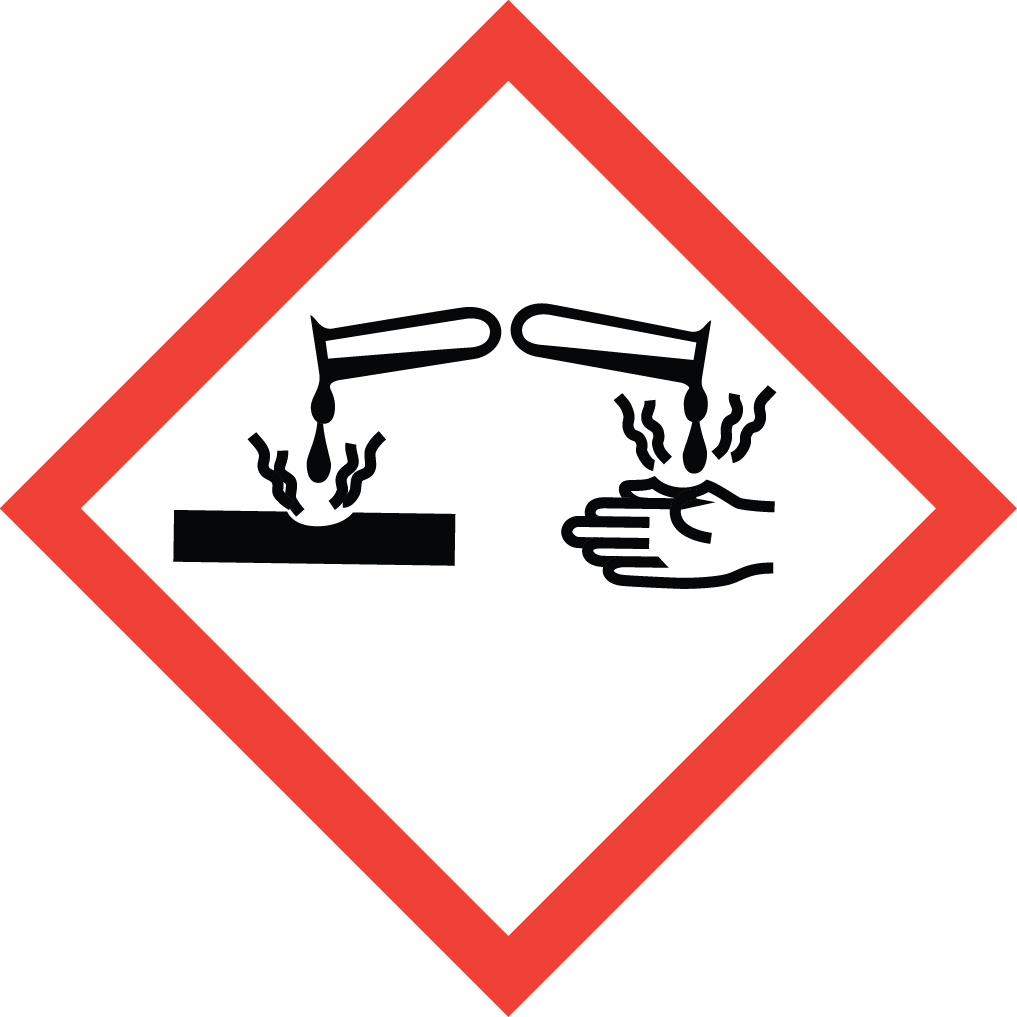
Corrosion
Skin corrosion/burns eye damage corrosive to metals
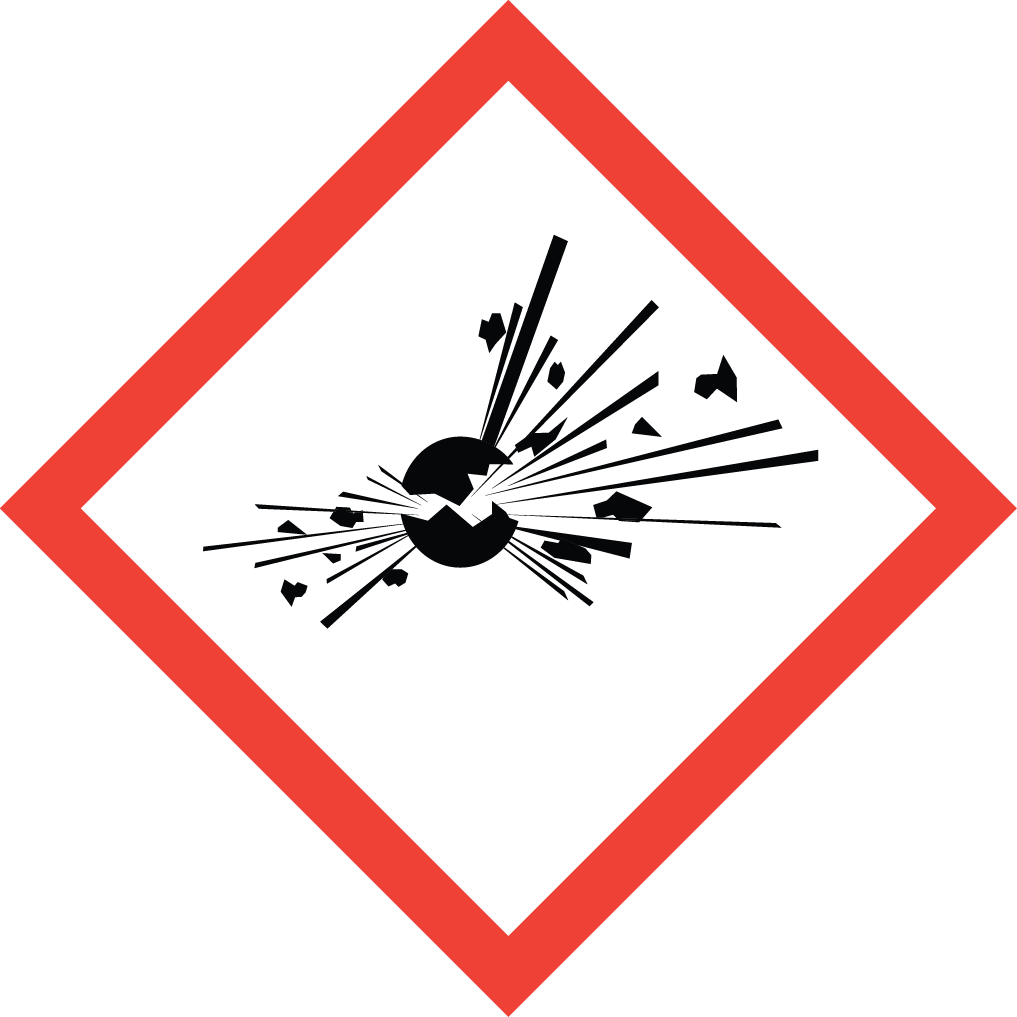
Exploding Bomb
Explosives/burns self-reactives organic peroxides
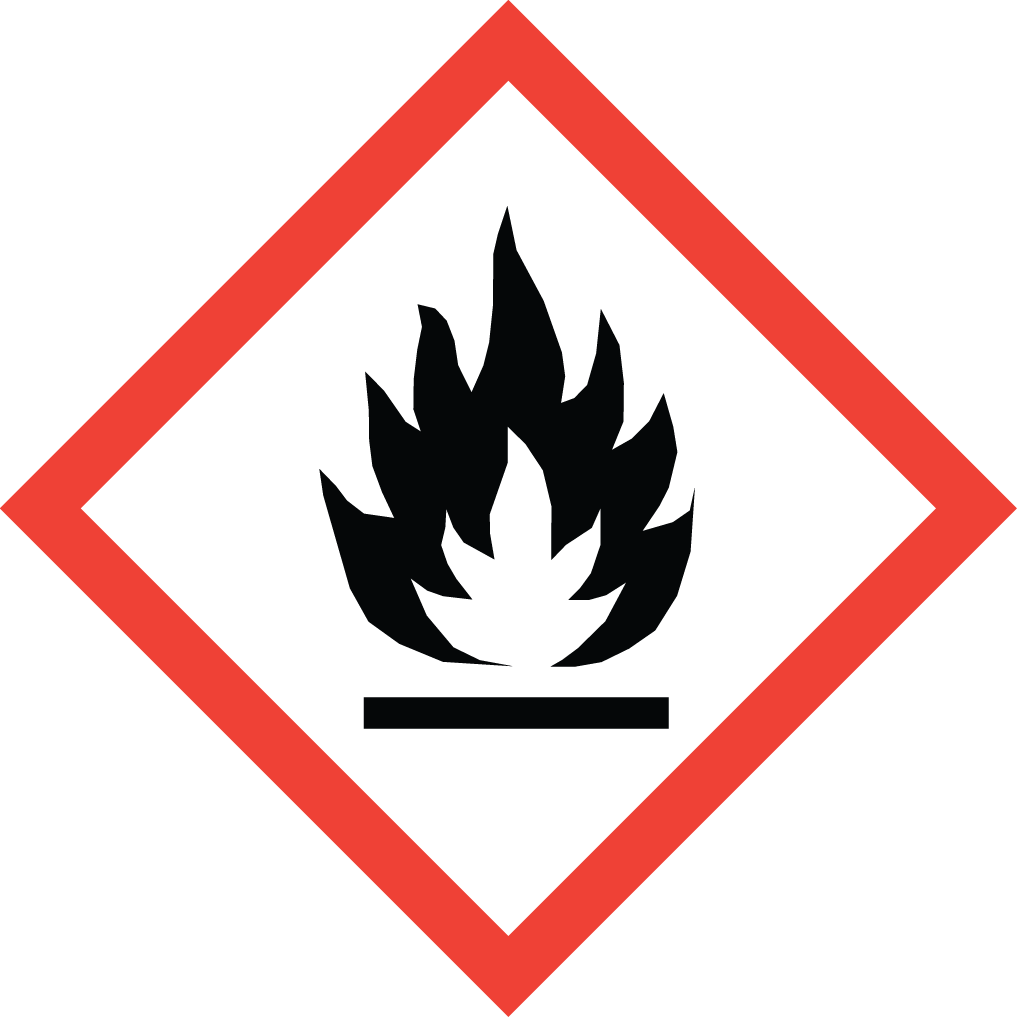
Flame
Flammable / pyrophoric / self-heating / emits flammable gas / self-reactive / organic peroxide
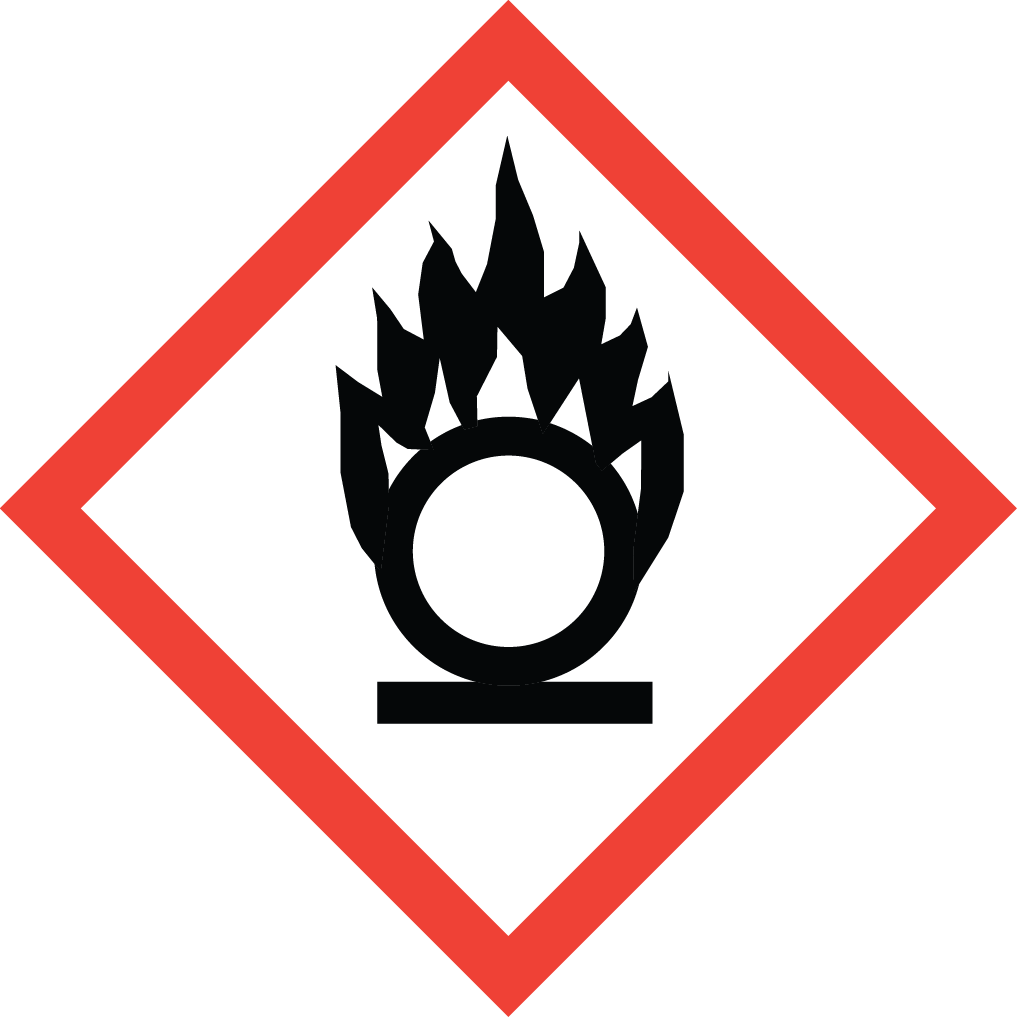
Flame Over Circle
Oxidizers
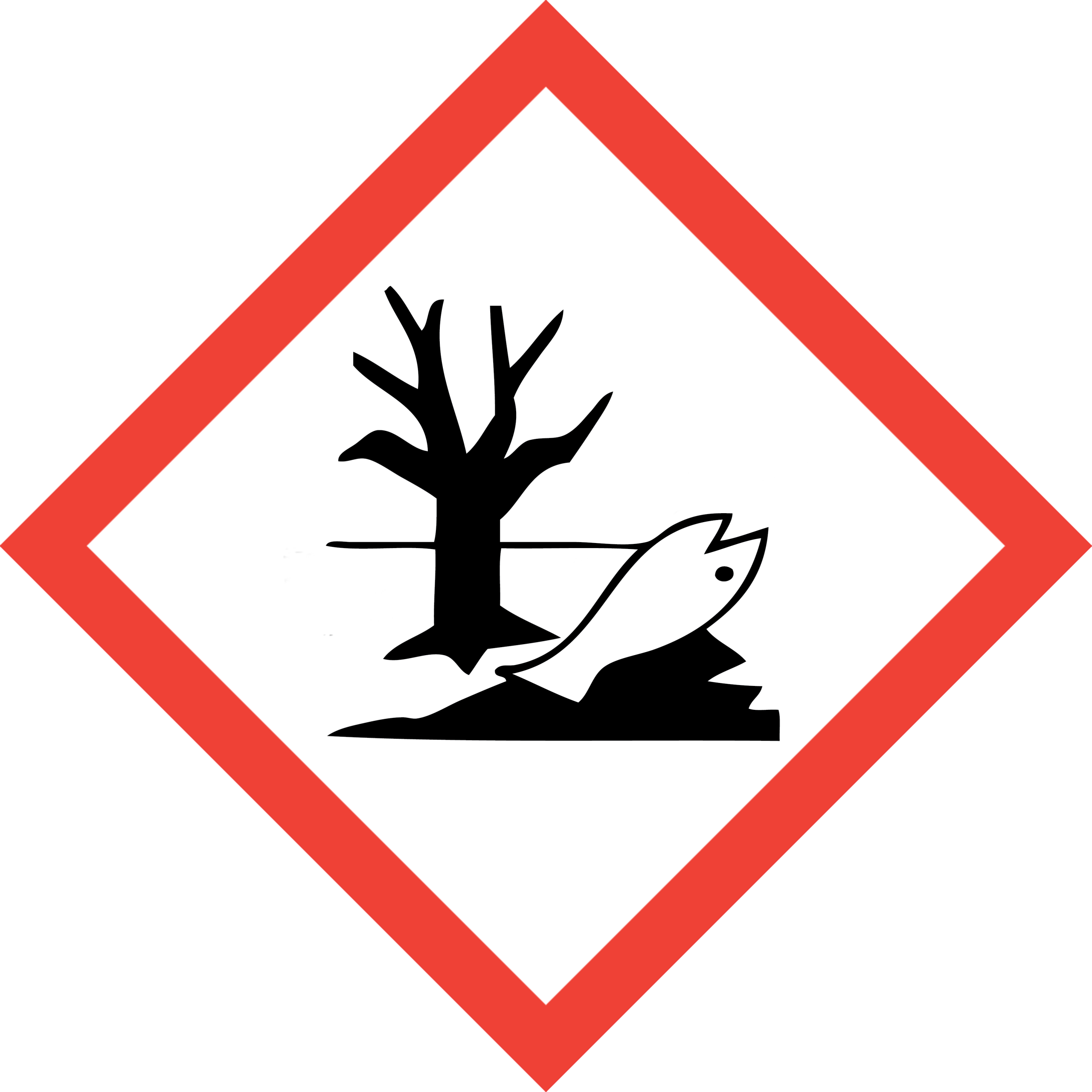
Environment
Aquatic toxicity
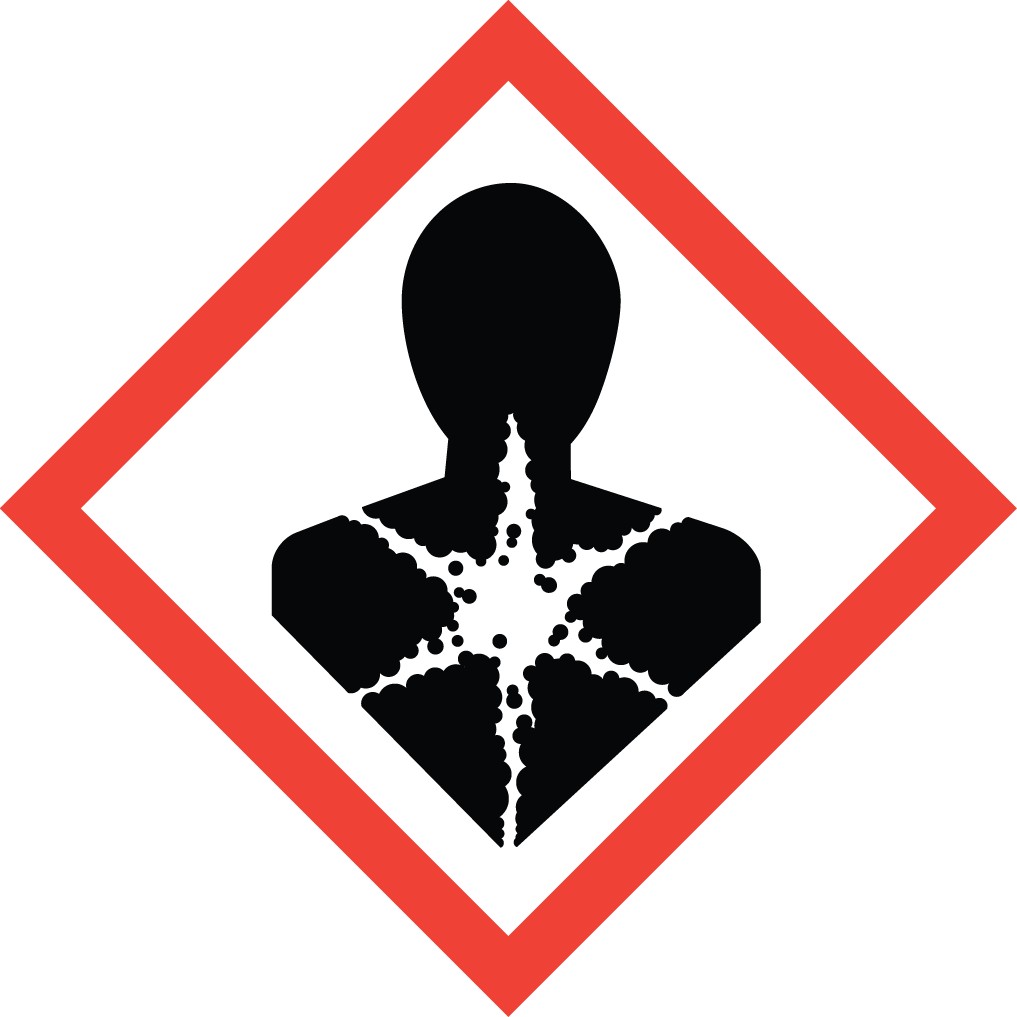
Health Hazards
Carcinogen / mutagen / reproductive toxin / respiratory sensitizer / target organ toxicity / aspiration toxicity

Exclamation Mark
Irritant (skin, eyes) / skin sensitizer / acute toxicity / narcotic effects respiratory tract irritant / hazardous to ozone layer
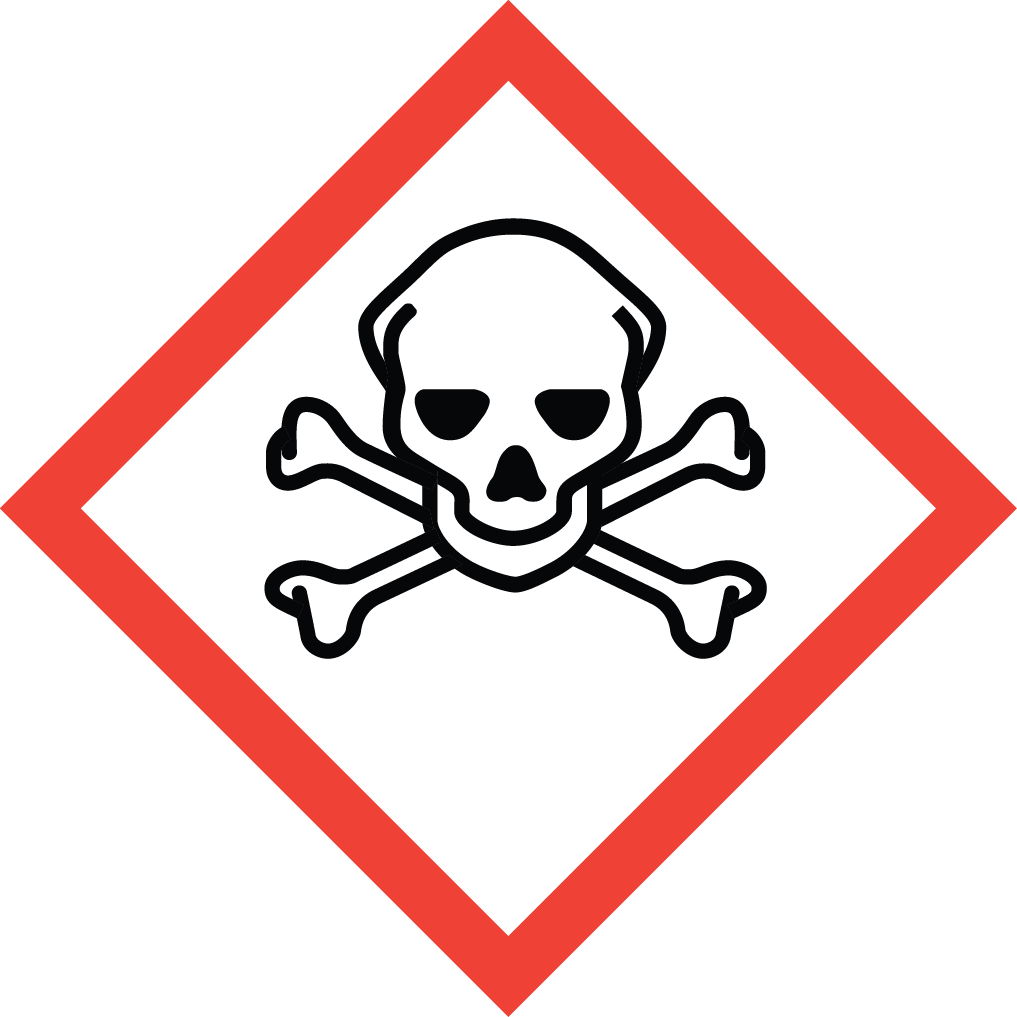
Skull and Crossbones
Acute toxicity (fatal or toxic)