Appalachian Lab Monthly Newsletter
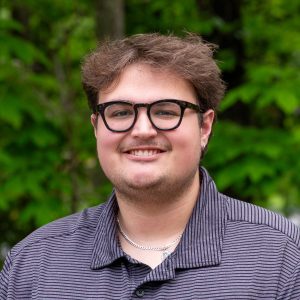
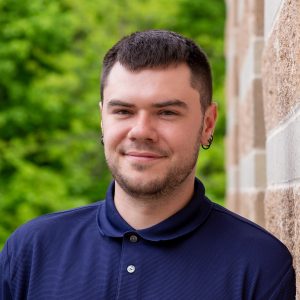
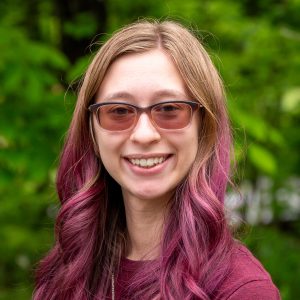
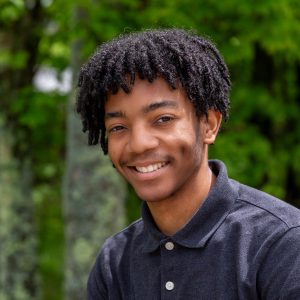
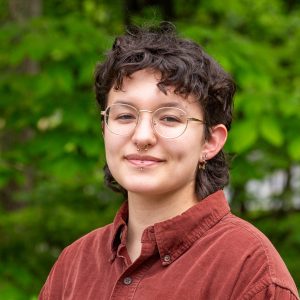
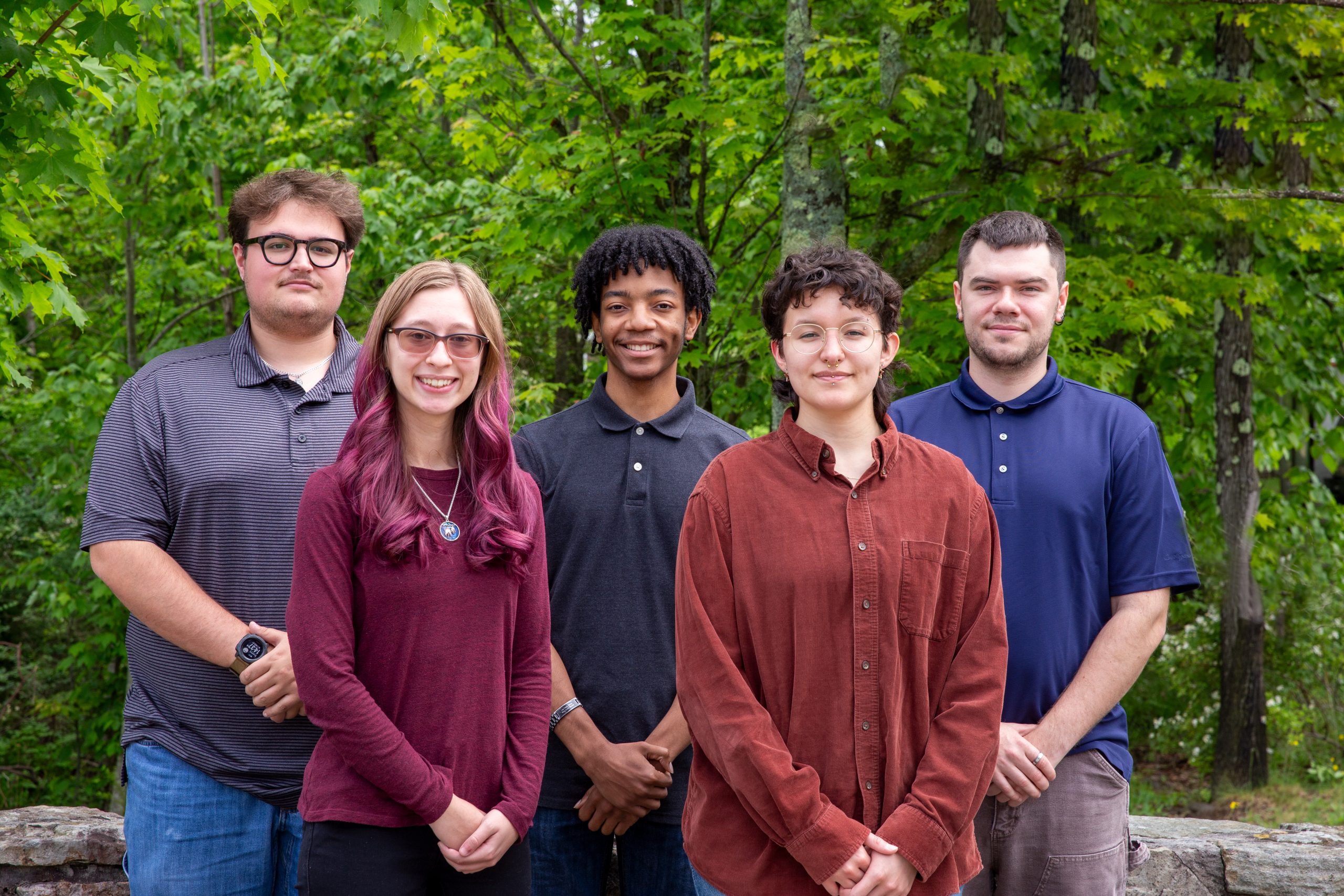
Welcome to our Summer 2026 undergraduate Interns! At the end of May, our latest cohort of undergraduate interns joined us for the summer. Please join us in welcoming them to AL:
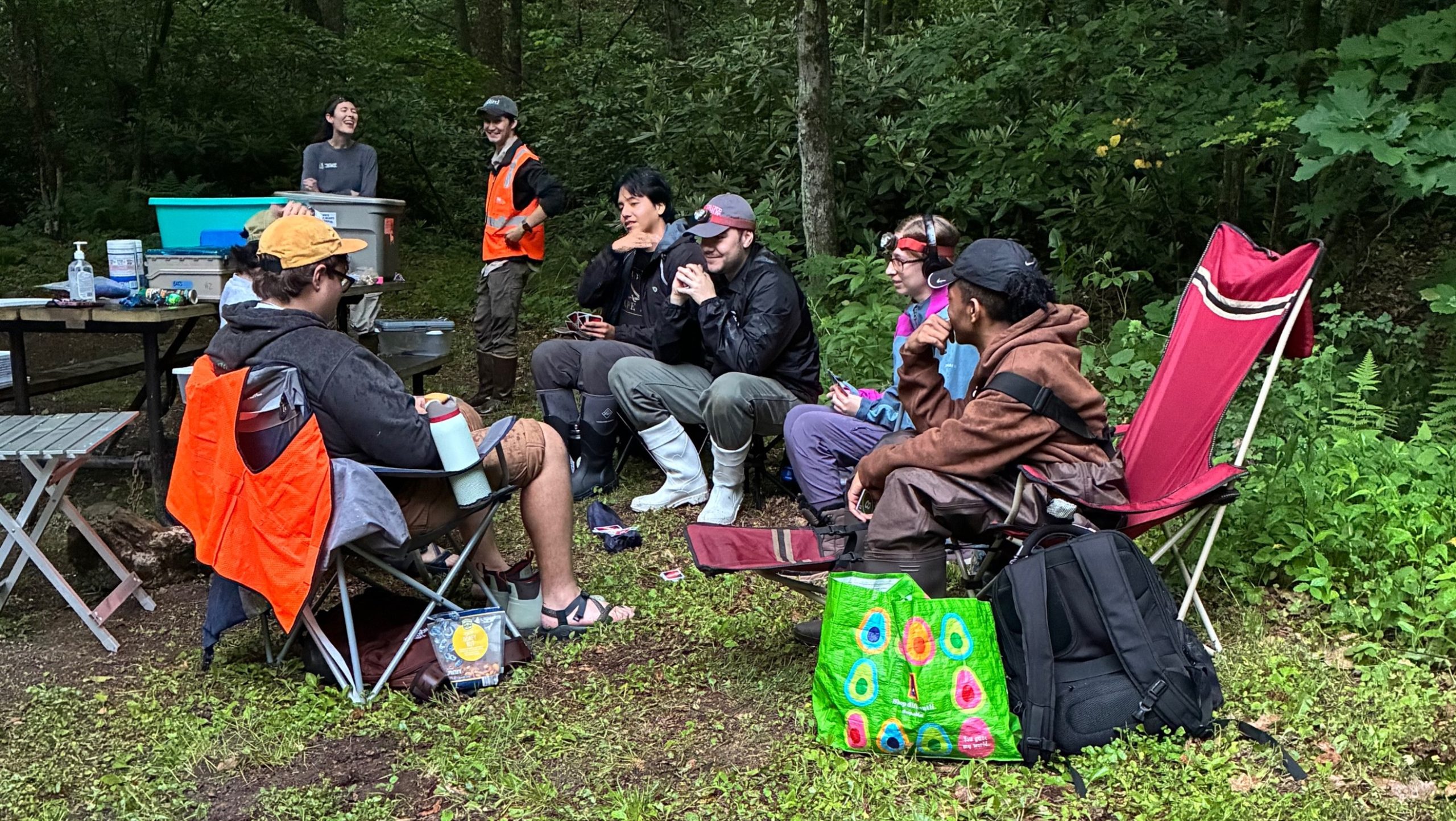
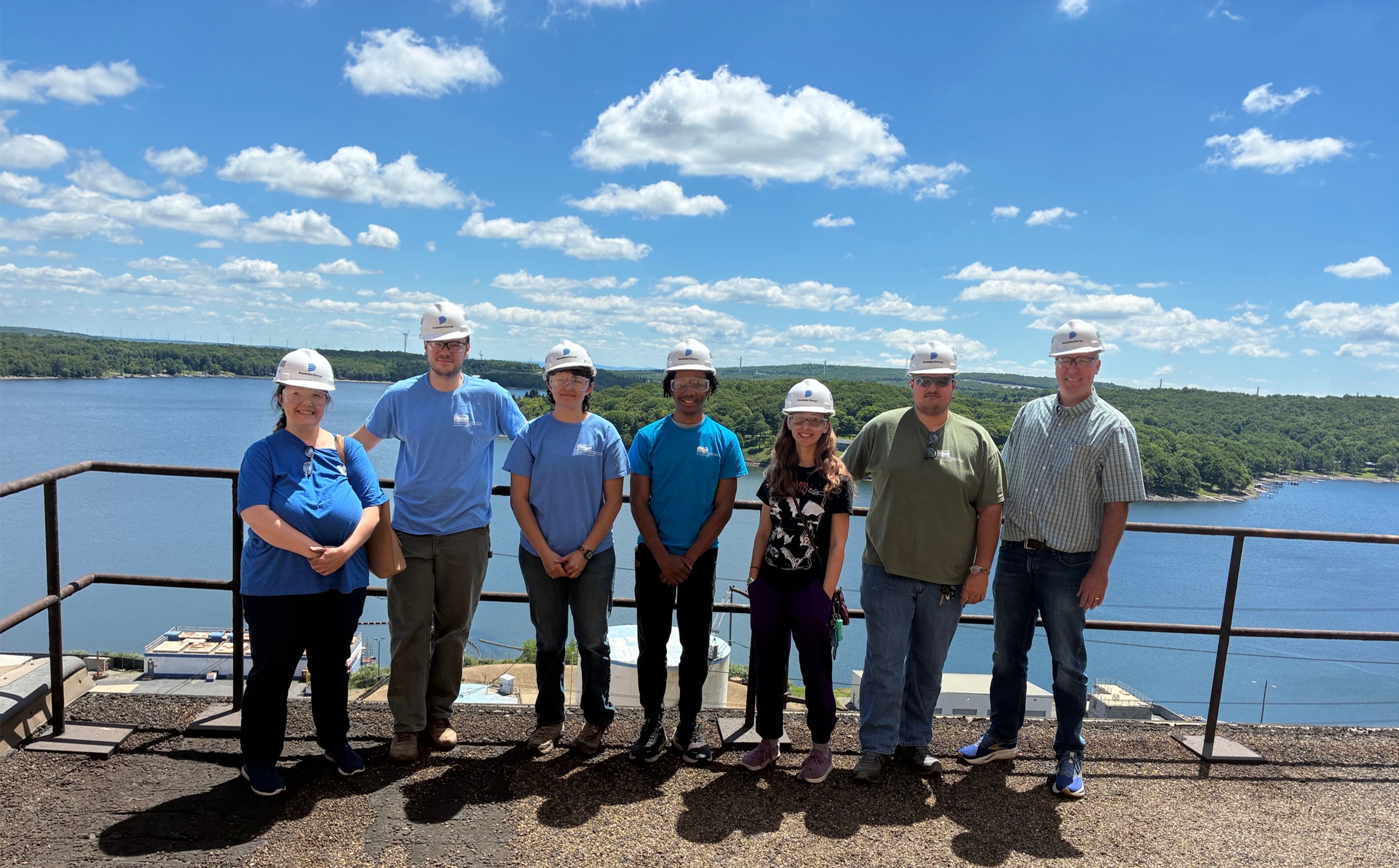
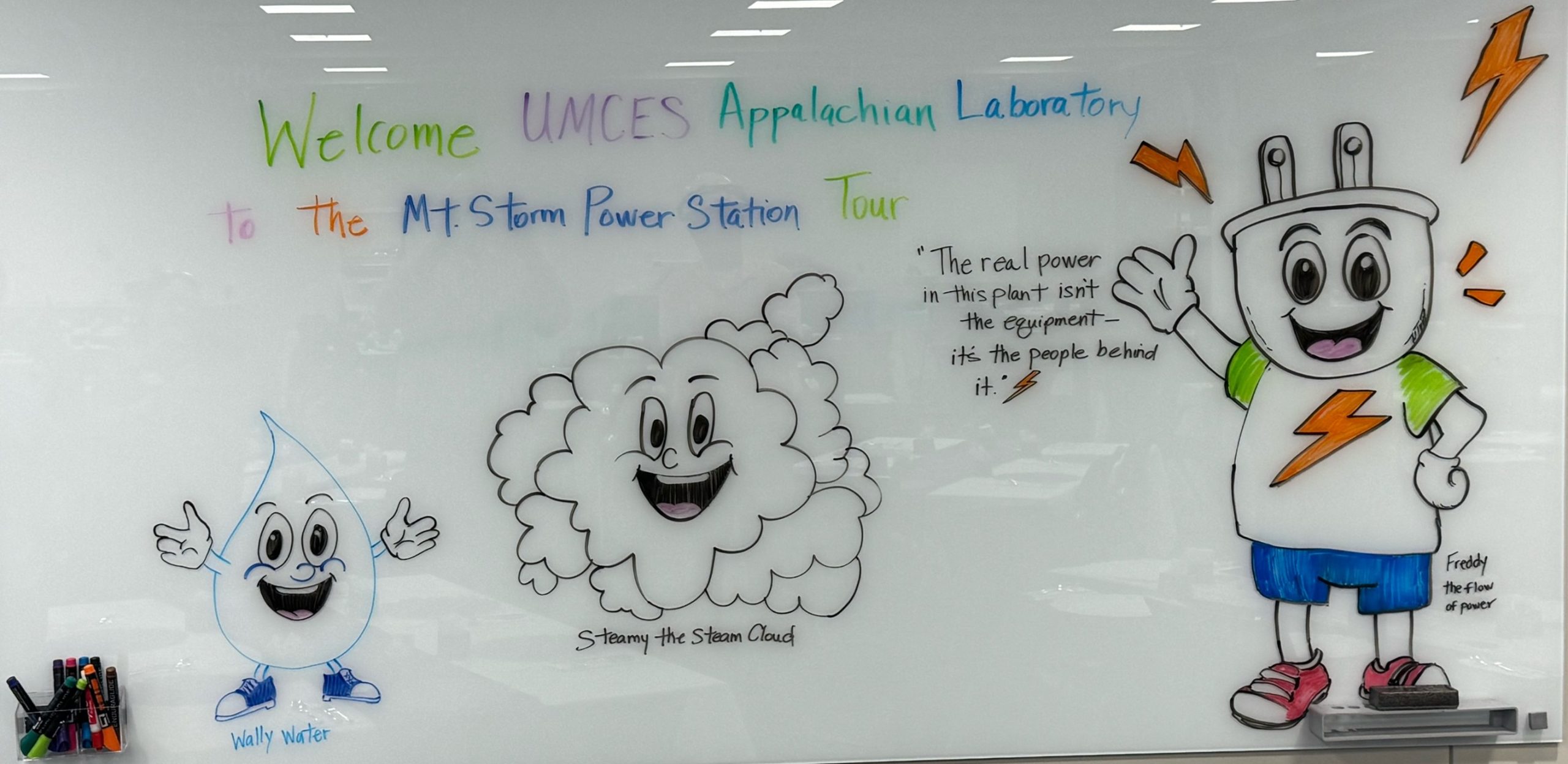
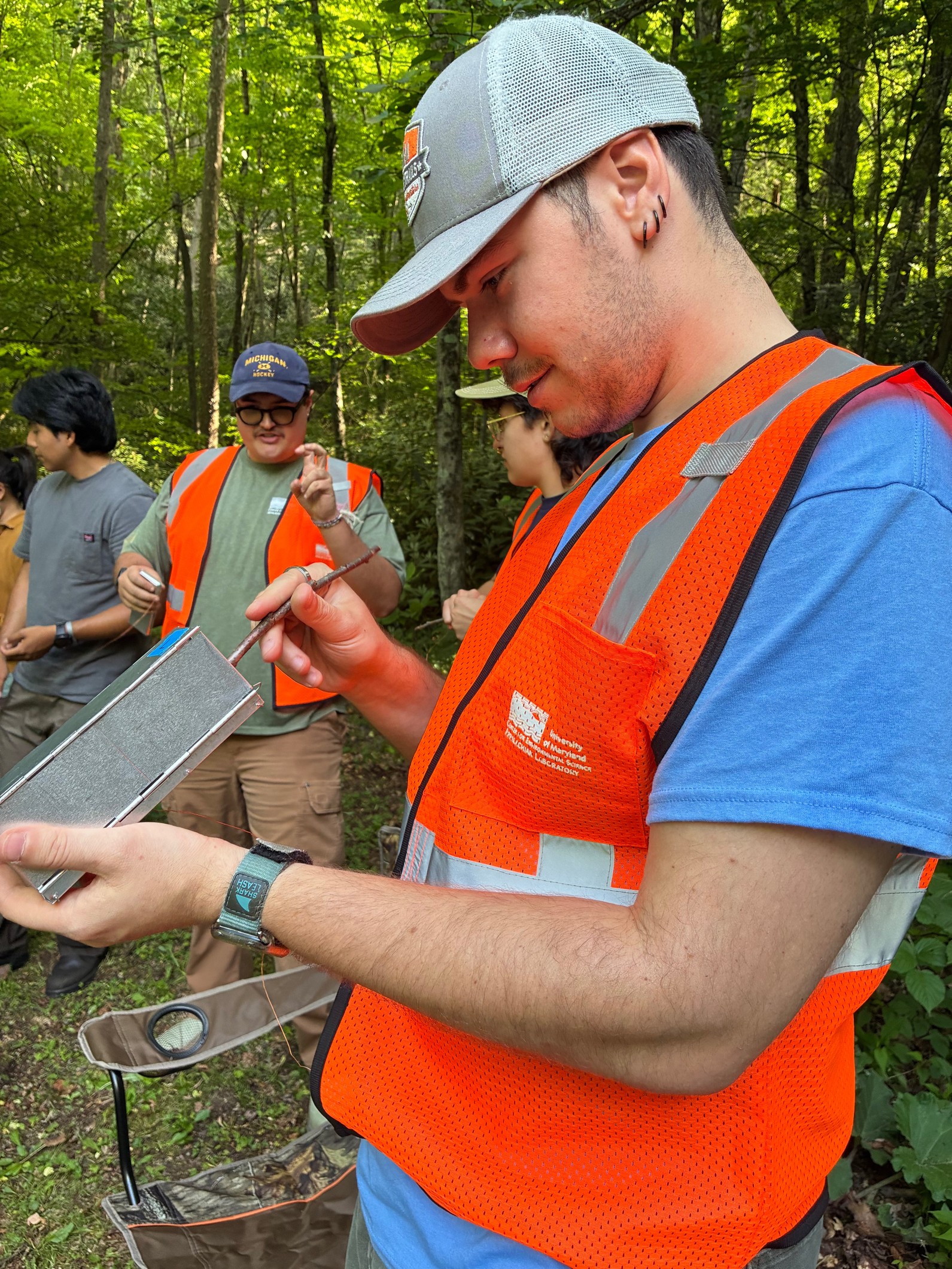
In addition to their research activities, they have also already participated in a couple of field trips: one to conduct overnight sampling in the field to look for the endangered southern water shrew with personnel from Maryland DNR natural heritage and another trip to the Mt. Storm Power Station in West Virginia:
New Faces
Kaiwei Luo, Assistant Research Scientist
Kaiwei recently joined AL as an Assistant Research Scientist working with Mark Cochrane to integrate remote sensing and modeling to study changing wildfire regimes and extreme wildfire events. He completed his PhD in Forest Biology and Management at the University of Alberta where he focused on the diurnal cycle of wildfire activity in North America, particularly overnight burning, changes in daily burning duration, and how these are changing under climate change. His broader research interests span the full wildfire lifecycle—from pre-fire vegetation stress and vulnerability, through active-fire behavior, to post-fire impacts and ecosystem recovery—using remote sensing, geospatial analysis, and AI-enabled modeling. In his free time, Kaiwei enjoys playing badminton, hiking, and exploring national parks. He is also interested in learning how to play tennis and pickleball.
Nolan Brahosky, Summer Intern
Nolan is an incoming senior, dual majoring in Geography and Political Science at Frostburg State University. He is working with Miriam Johnston and Shijie Shu. He has just completed a full academic year of study abroad at Northumbria University in Newcastle upon Tyne, England. During his time in university, he has studied earth sciences, environmental planning, cultural geography, and physical geomorphology in both Appalachia and Northeast England. He grew up in the Pittsburgh coal region and has previously worked as an Inspection and Safety Intern with the Pennsylvania Department of Environmental Protection’s Bureau of Deep Mine Safety. In his personal life, he enjoys travelling to new countries, hiking, fly fishing, and collecting vinyl records.
Carson Grant, Summer Intern
Carson Grant attends Frostburg State University where he is studying Professional Wildlife and Fisheries Management. He is working with Sarah Bomar to study fire ecology in the Appalachian region and how it affects succession and other ecological factors in the nearby surroundings. Carson is from Harford County, and enjoys studying reptiles and amphibians. In the future, he is interested in GIS work and drone surveys. He also plans to participate in forest fires and prescribed burns.
Keira Luers, Summer Intern
Keira is an undergraduate at Frostburg State University majoring in Wildlife & Fisheries with a geography minor. Her work here focuses on surveying migratory birds and their relationships to environmental factors. She is looking forward to both field and lab work this summer. Her favorite animals are bats, and her interest in them was sparked by a bat show in Carlsbad Caverns. She is also interested in music and art as hobbies, drawing in her free time and playing in the Frostburg State University’s Marching Band.
William Ross, Summer Intern
William is a rising senior at Frostburg State University pursuing a dual major in Wildlife & Fisheries and Information Technology. He grew up in Bowie and earned his associate’s degree from Prince George’s Community College. Outside of academics and research, he enjoys attending Bible studies and continuing to grow in his understanding of Christianity.
This summer he is working with the Animal Migration Research Group, where he is studying and analyzing bird migration patterns. After completing his internship and graduating from Frostburg State University, William plans to pursue a career in bioinformatics where he can use his passion for wildlife and information technology in tandem.
Elaina Saucedo, Summer Intern
Elaina is a junior at Frostburg State University, dual majoring in Professional Wildlife and Fisheries with a minor in Chemistry. She has a love for all things creepy-crawly and is beyond excited to work with Clara Thiel surveying insects and getting to know the ins and outs of the Appalachian Shale Barrens. Elaina grew up in Lusby, Maryland on the Patuxent River and has loved nature since she was little. She has always been super into invertebrates and insects and is excited to expand her knowledge about the wonderful plants hosting these critters. Elaina enjoys spending her free time outdoors hiking and camping or indoors playing music and card games.
Recent Achievements/Activities/Successes
Sustainability Committee
Looking for a meaningful way to make a difference at AL? Our Sustainability Committee is looking for new members who are passionate about protecting the environment and creating a more sustainable workplace. Whether you have big ideas or simply want to help with fun events, recycling initiatives, energy-saving projects, or educational campaigns, there’s a place for you. Join us in making a positive impact, one project at a time, and help build a greener future for our workplace and community! If you’re interested, please reach out to Heather Johnson.
Tennis Tournament
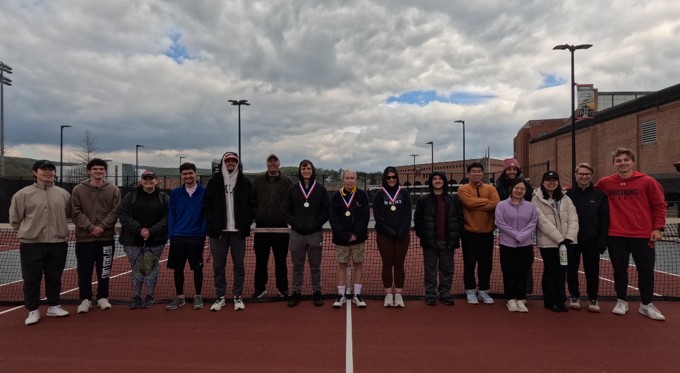
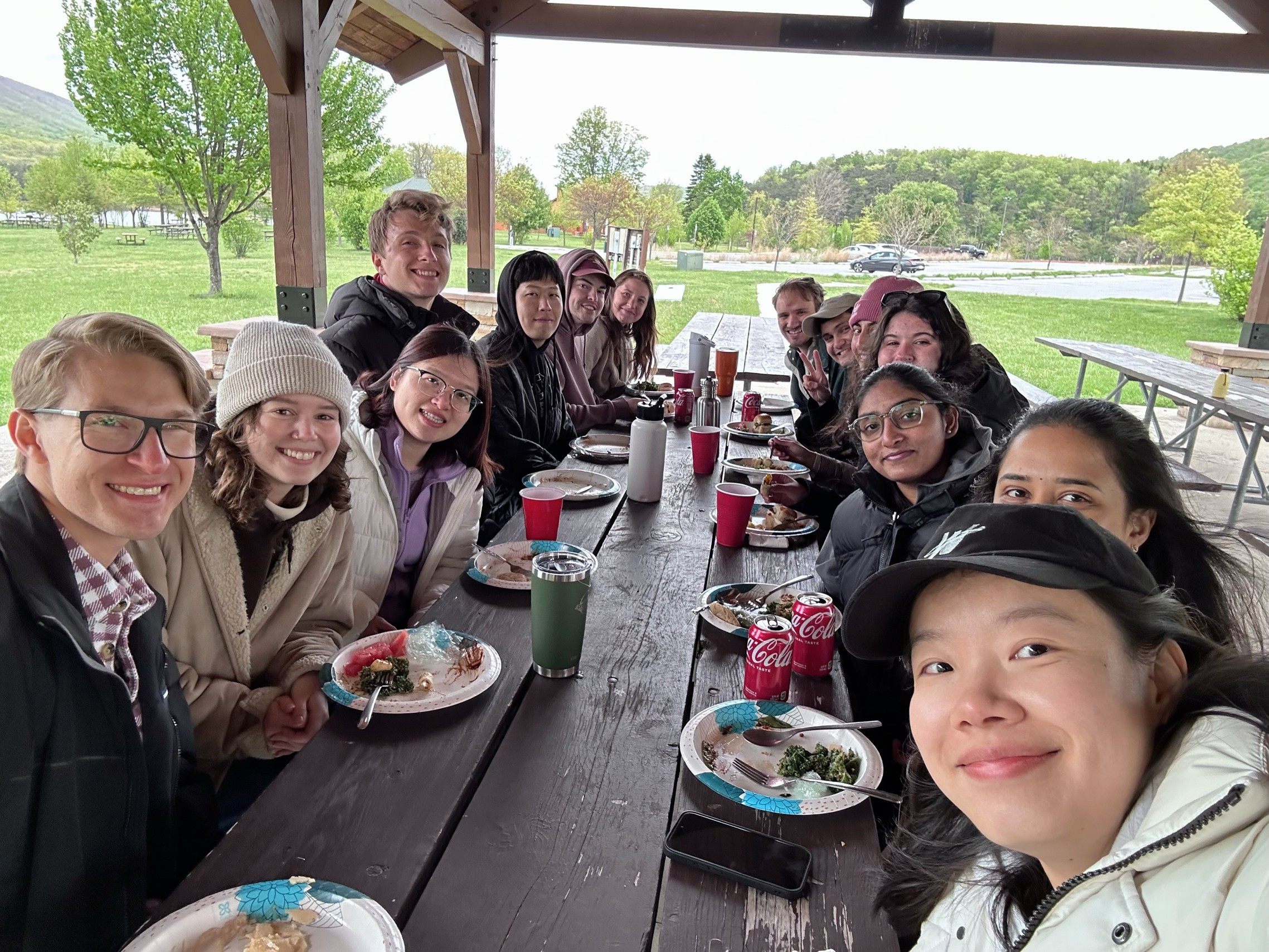
AL’ers held a tennis tournament recently and also celebrated Yanyu’s dissertation defense. Here are some photos:
UMCES Commencement
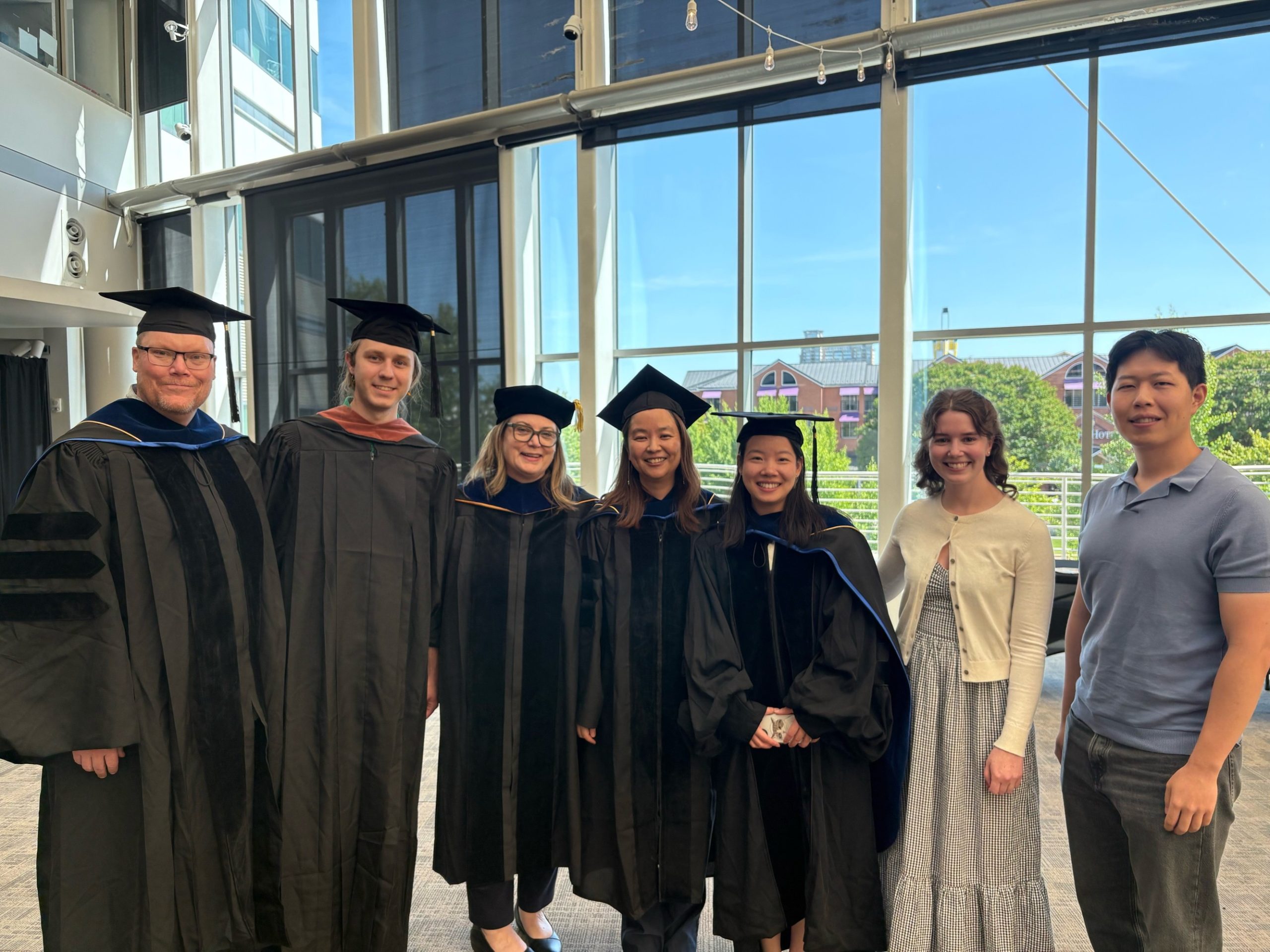
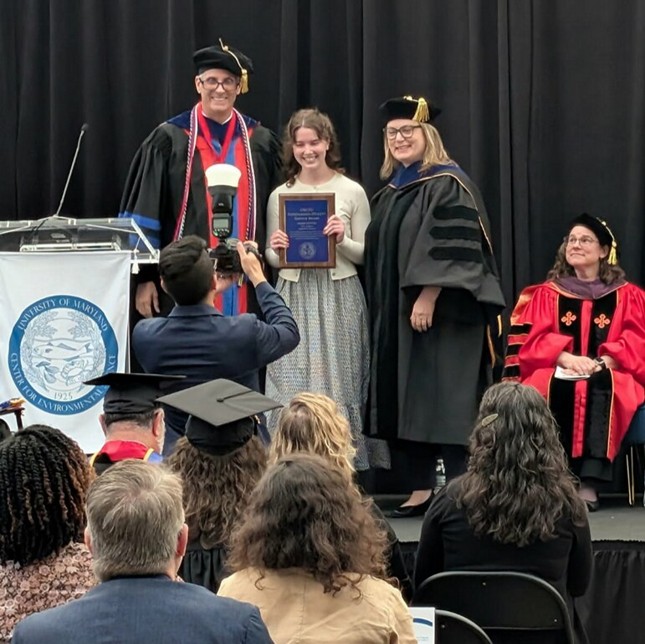
Yanyu Wang, Luke DeGroote, and Gage Jacobs were celebrated at the UMCES Commencement held at IMET in May. Sarah Endyke was also honored with the UMCES Student Service Award. This award honors a graduate student who has provided outstanding service to their laboratory unit, UMCES, the USM, their community, government agencies, and/or professional societies over the course of their tenure as an UMCES graduate student. Sarah Endyke has exemplified a profound commitment to community building, institutional citizenship, and service that leaves things better than she found them. Since joining the Appalachian Laboratory, Sarah has stepped into foundational leadership roles that have reshaped campus culture. As a graduate representative on a major faculty search committee, she brought exceptional collaborative wisdom to evaluating 159 applications and navigating 17 interviews. As a leader of the laboratory’s Diversity, Equity, and Inclusion group, she spearheaded the creation of the Mutual Expectations Guidance documents—a mentoring framework now adopted system-wide across UMCES to foster healthier, more transparent professional environments. Universally recognized as the warm “public face” of her laboratory, Sarah routinely bridges the gap between high-level science and the local community, volunteering for STEM events, leading C&O Canal clean-ups, and handing out native pollinator seeds at the Frostburg Halloween Parade. Whether she is mentoring undergraduate interns or coordinating semi-annually with the U.S. Fish and Wildlife Service to protect migratory waterfowl, Sarah’s energy and leadership inspire everyone around her.
Congratulations to Yanyu, Luke, Gage, and Sarah!
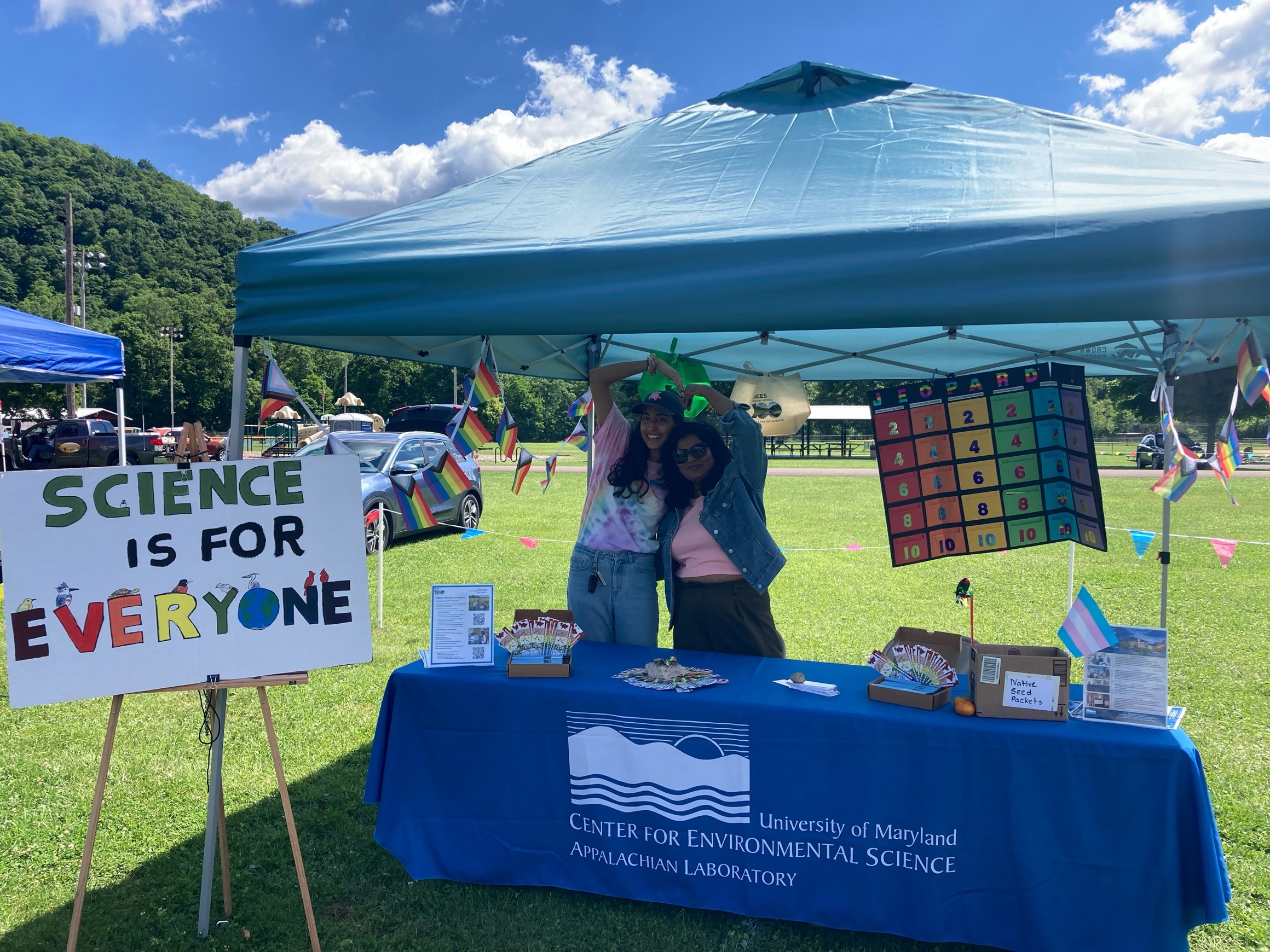
PRIDE
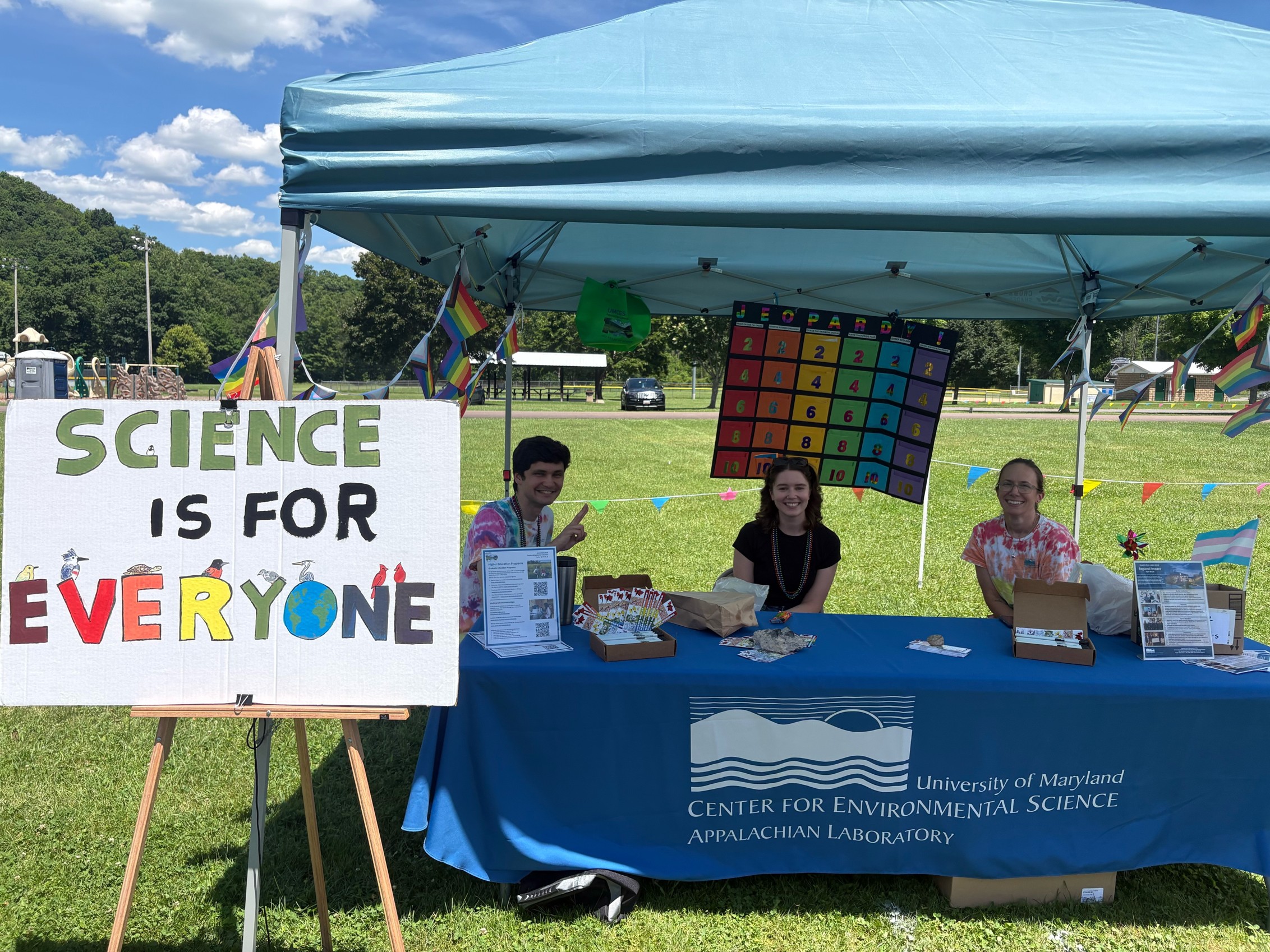
AL held a PRIDE celebration at the beginning of June and also tabled at the Garrett County PRIDE festival this month:
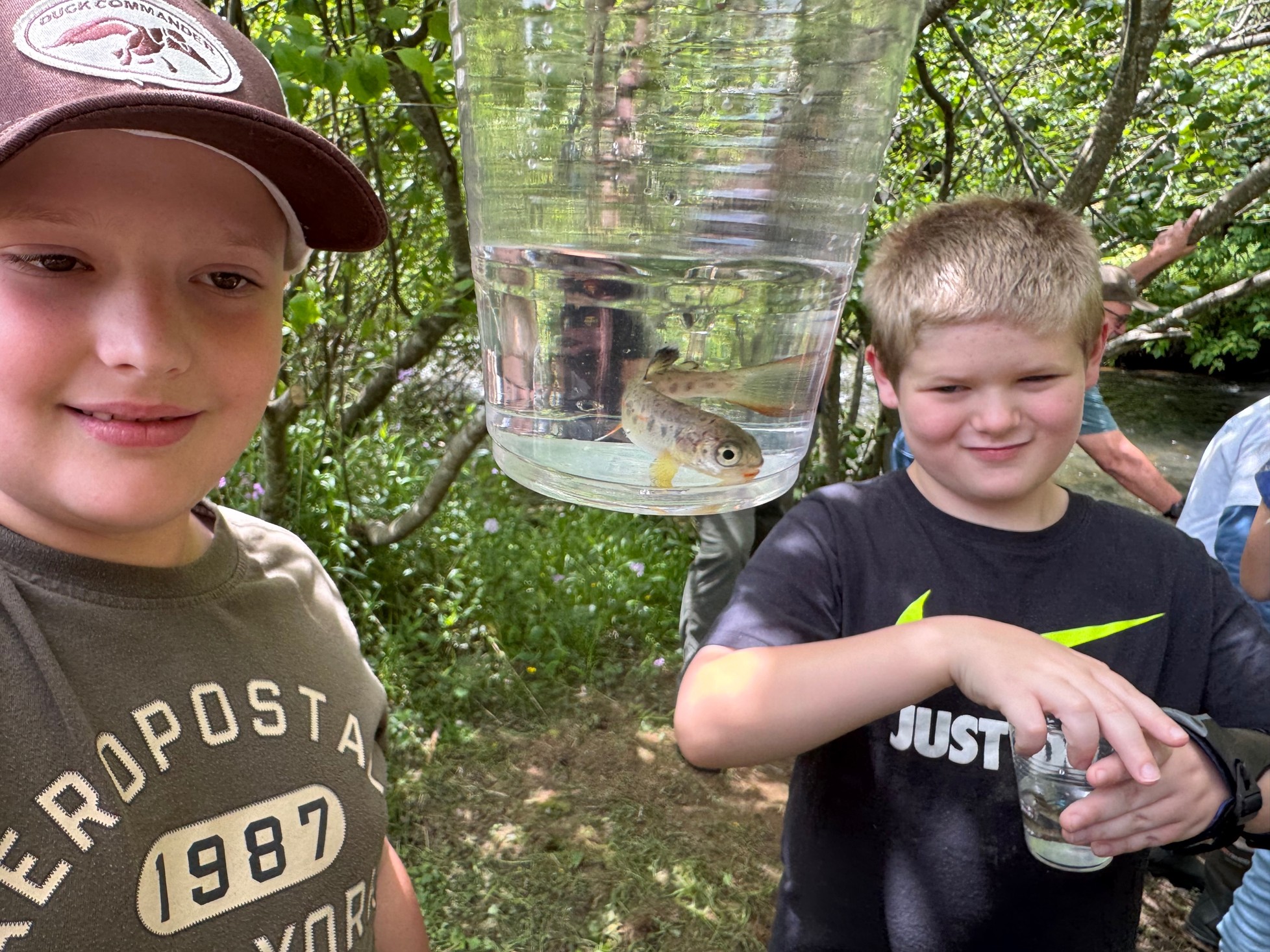
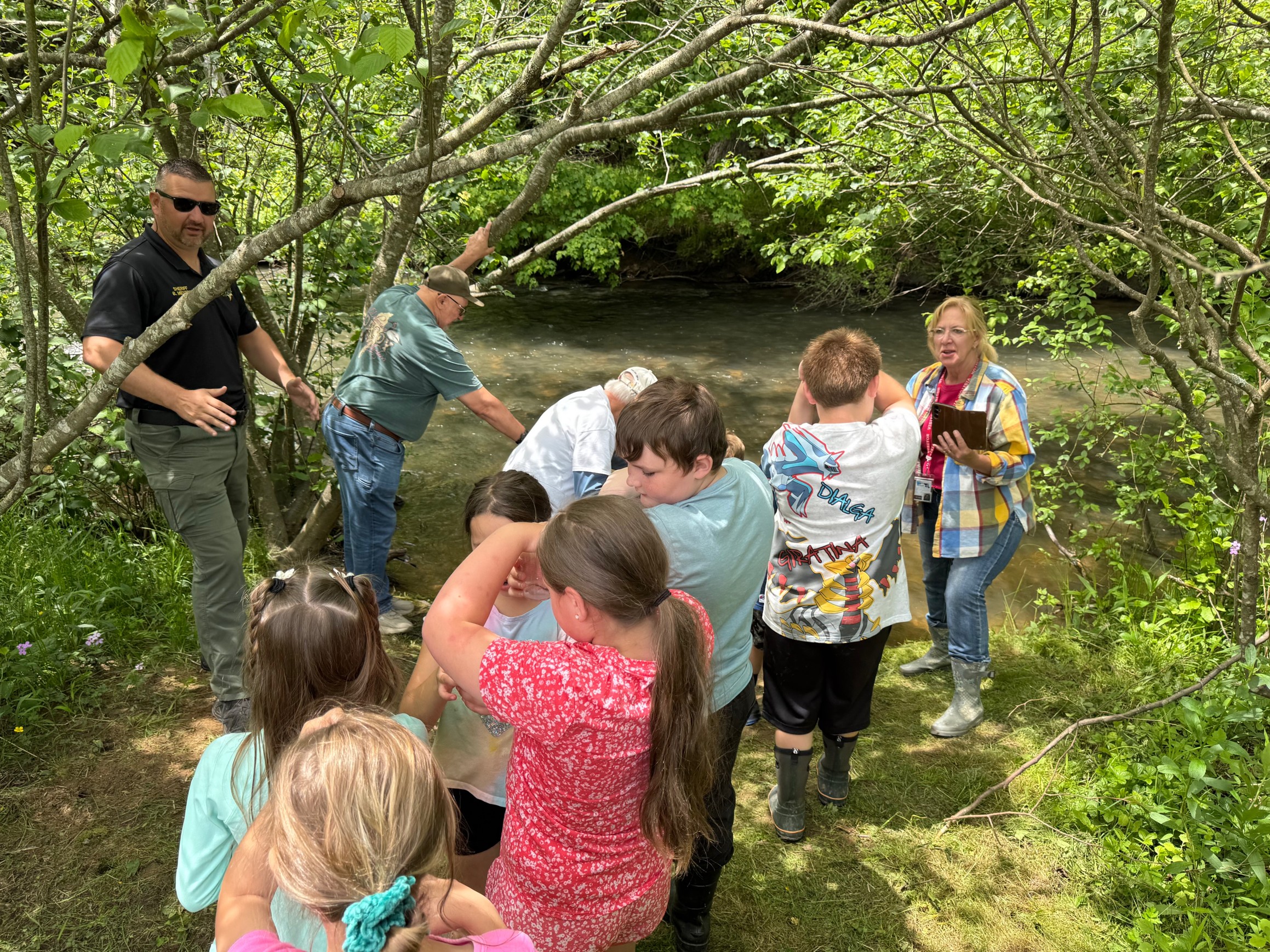
Trout in the Classroom
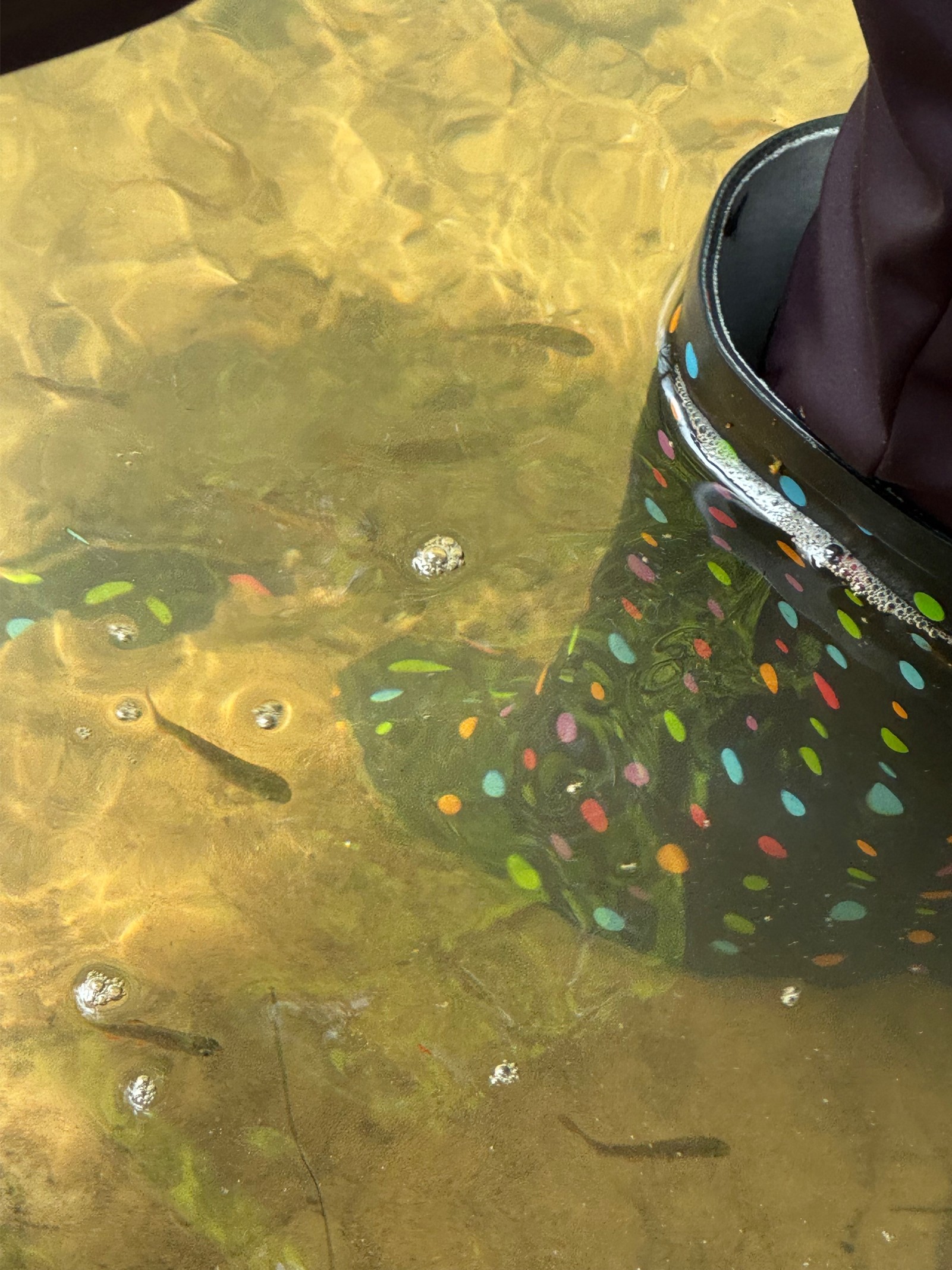
Zach Zbinden has been working with Trout Unlimited in Maryland to help support their Trout in the Classroom (TIC) program. He worked with students at Crellin Elementary to raise rainbow trout in their classroom from eggs and release them to a nearby stream as fingerlings:
SWISS Bird Radar
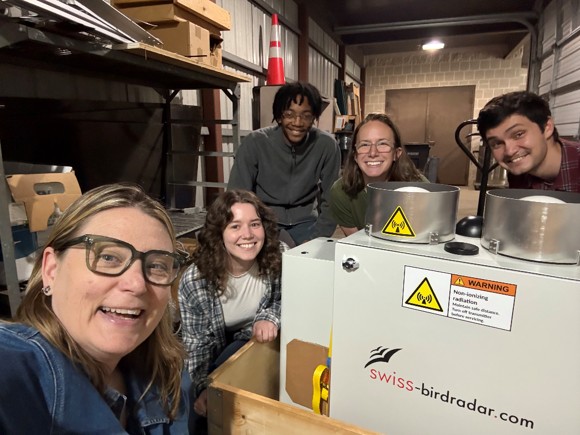
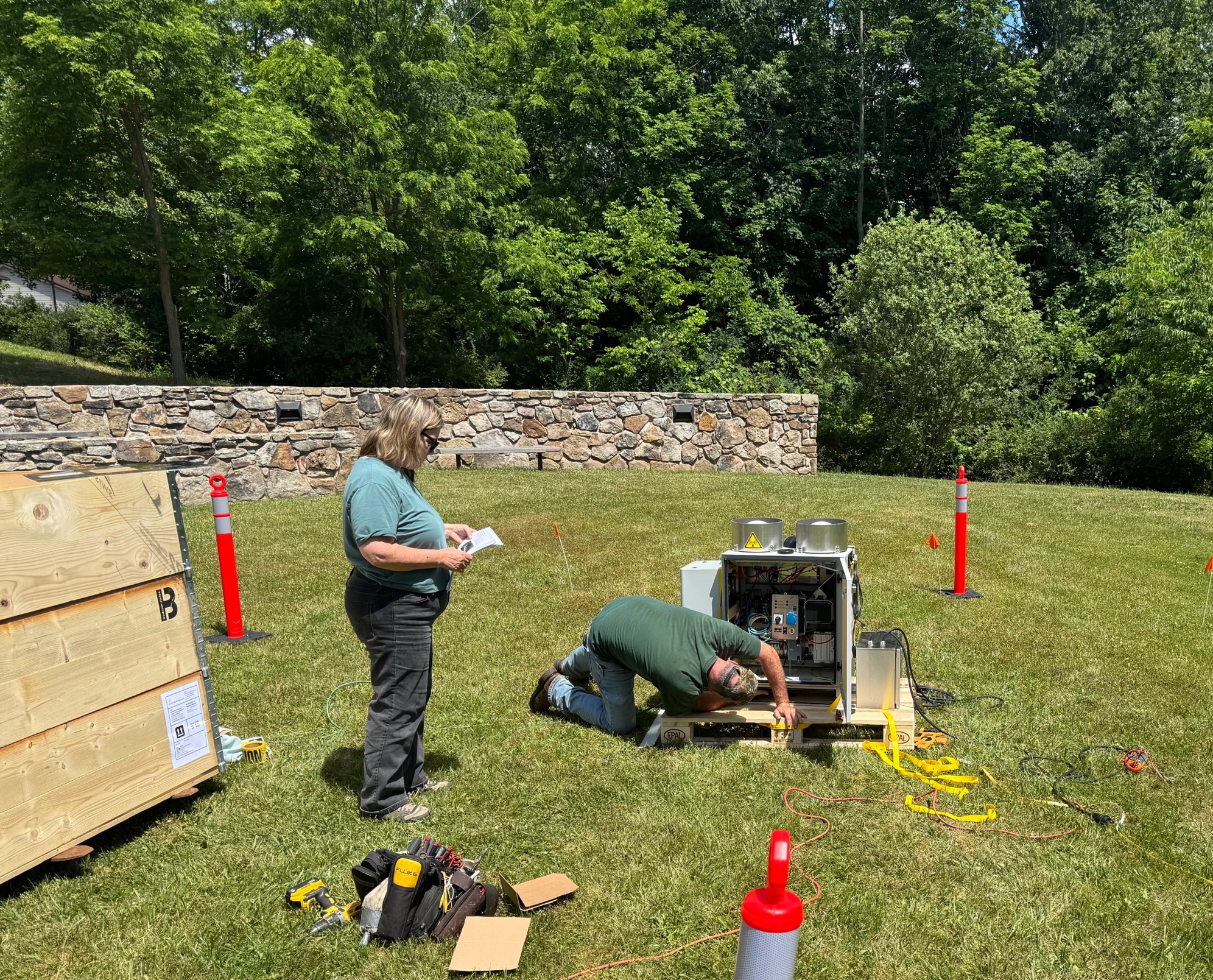
The Animal Migration Research Group recently received a new Swiss Birdradar MR2 FaunaScan Radar system, newly arrived from Switzerland and only the second of its kind in North America.
It was funded by TALIN the year before last and is here now thanks to a huge effort by Heather and Dave, along with lots of help from Aaron and Cami. It has already been affectionately named COSMO (Capturing Observations of Species MOvements) by the AMRG.
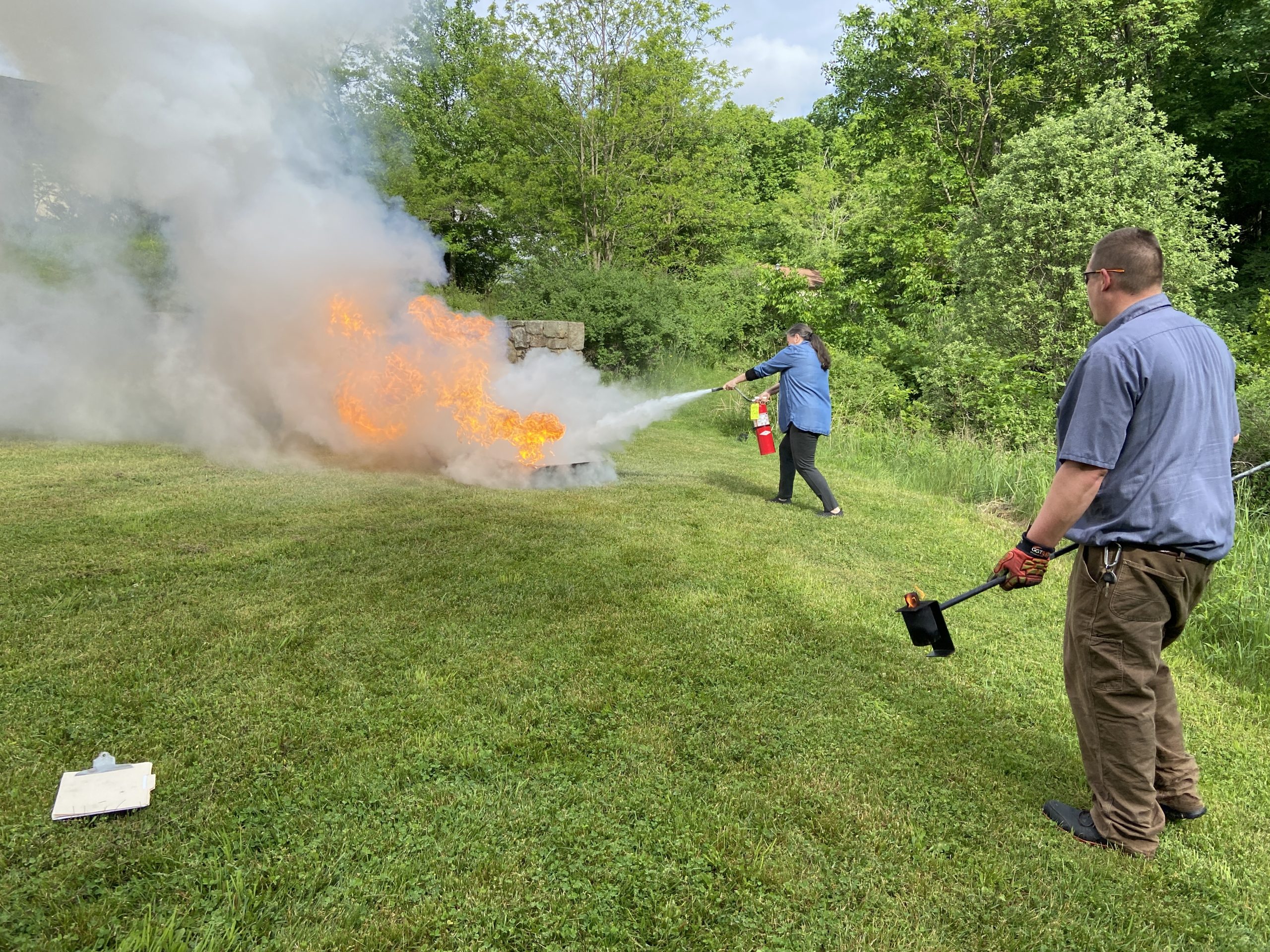
Sign Up for Hands-On Fire Extinguisher Training
We’re holding a fire extinguisher training
DEI Update
What is DEI?
The AL DEI (Diversity, Equity, and Inclusion) group wants to raise awareness of what DEI is and why it’s relevant to you. This semester’s theme is “What is DEI?”
As we wrap up our faculty search and welcome a new cohort of summer interns, it’s useful to reflect on ways that hiring, retention, and advancement policies and practices can help build and support a diverse community at AL and in science more broadly.
Hiring: Inclusive hiring practices help build a more diverse candidate pool that traditional hiring approaches often miss out on. These include writing broad job ads, raising awareness of unconscious biases, and creating clear evaluation criteria.
Retention: After going through the effort of hiring people, we want them to be happy community members for as long as possible! Inclusive practices (e.g., shared community resources and field safety training) and policies (e.g., flexible family leave) can help more fully support the entire AL community.
Advancement: Within AL, clarifying opportunities and criteria for advancement (e.g., mutual expectations forms and tenure requirements) can help those less familiar with scientific careers! Mentors can help trainees develop skills and professional networks that set them up for success. Furthermore, promotion criteria should consider the mentoring, service, and community work that are critical parts of a healthy and vibrant scientific community.
Mentoring Spotlight
For our special summer edition, We want to highlight a few mentoring best practices that improve the experiences of both mentors and mentees:
Setting expectations: Professional responsibilities are often fuzzy or change over time – a common source of confusion, particularly for those new to research and academic institutions. Advisors and mentees should regularly discuss clear and achievable expectations so that all parties know their responsibilities. See the mutual expectations forms created by the DEI group to help guide these conversations.
Expanding networks: Personal and professional development requires a whole network, not just a single advisor. Advisors can help mentees expand their support and professional networks. Mentees can think about where there are gaps and take initiative to expand their mentor maps.
Building careers: Mentors and mentees should regularly discuss the mentee’s career goals so that they can work together to identify training, funding, and networking opportunities to help them achieve these goals. Individual Development plans (example) can help guide these discussions.
Want to learn more? Here are some examples of the research behind these statements.
Questions, comments, concerns? Fill out our anonymous feedback form!
Spotlight on Safety - Workplace Ergonomics
Do you think ergonomics is just about having a fancy office chair? Think again! Small changes to the way you sit, type, and position your computer can make a big difference in how you feel at the end of the day. Good ergonomics helps prevent aches and pains, including sore backs, stiff necks, shoulder strain, and wrist injuries like carpal tunnel syndrome. Musculoskeletal disorders (MSDs), which include many repetitive stress injuries, have historically accounted for about 30% of all workplace injuries that result in time away from work.
Check out this month’s ergonomics feature for FIVE simple tips to help you stay comfortable, healthy, and productive—one small adjustment at a time.
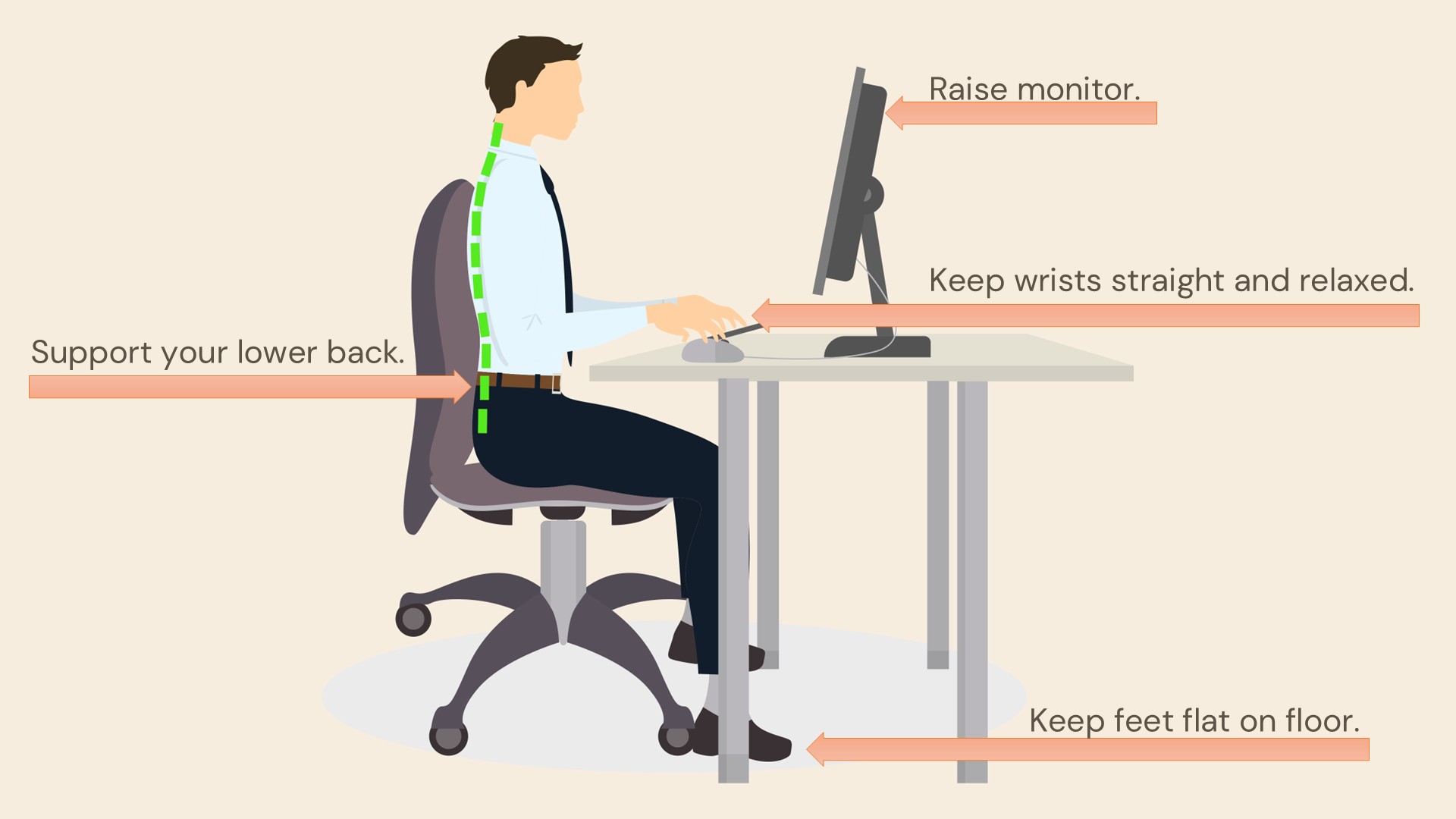
Tips one through four relate to HOW you should set up your workstation:
- Support your lower back: Adjust the backrest and set of your chair so that your lower back is supported and your spine maintains its natural curve.
- Raise monitor: Your monitor’s top should sit at about eye level so you look slightly down at the screen. If needed, raise it on a stand or a stack of books. This keeps your neck neutral and prevents forward-head strain.
- Keep your feet flat on the floor: Use a chair height that lets your feet rest flat and your knees bend near a right angle. Add a footrest if needed.
- Keep wrists straight and relaxed: Position your keyboard and mouse so that your wrists stay neutral and your elbows rest near your sides, keeping your elbow at a right angle.
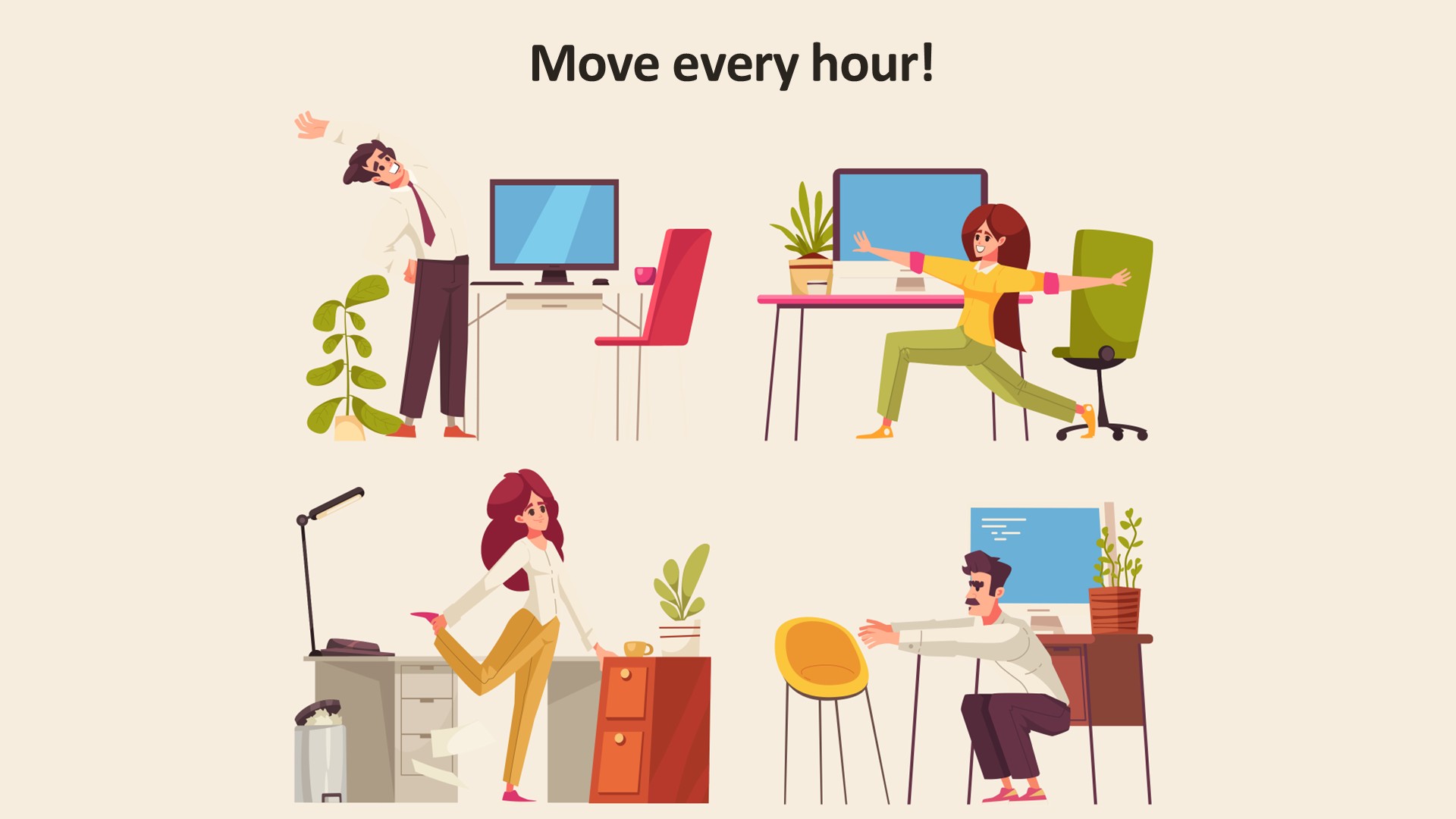
The final tip has nothing to do with how you set up your workstation, but everything to do with taking breaks from your workstation. Make sure that you get up and move at least once every hour!
Digital Accessibility
New digital accessibility regulations took effect at the end of April governing how we create and share digital content across UMCES – both internally and externally. In an institution centered on research and education, accessibility is essential to ensuring that our materials, including documents, websites, presentations, online resources, and even emails, can be used by all members of our community and to external audiences. Each month, we have been covering one important tip for improving the accessibility of your digital content. Another key element of digital accessibility is writing good alt text descriptions for images.
More Than Just a Description: Why Alt Text Matters
Have you ever wondered what happens when someone can’t see the images on a webpage or in a document? That’s where alternative text, or alt text, comes in. Alt text is a brief description of an image that is read aloud by screen readers, allowing people who are blind or have low vision to understand the image’s purpose and content. It also helps when images don’t load or when someone is browsing with images turned off.
Good alt text doesn’t describe every tiny detail—it focuses on what matters most. Ask yourself, “If this image disappeared, what information would someone need to know?” For example, instead of writing “Person sitting at a desk,” you might write “Employee adjusts their chair so their feet rest flat on the floor for an ergonomic workstation setup.” The second description communicates why the image is included, not just what it looks like.
Tips for Writing Better Alt Text
- Keep it concise: Aim for one or two clear sentences.
- Describe the purpose: Focus on the information or message the image conveys.
- Don’t start with “Image of…” or “Picture of…”: Screen readers already announce that it’s an image.
- Include important text: If an image contains text that is essential to understanding the content, include that text in the alt description.
- Leave decorative images blank: If an image is purely decorative and adds no information, use empty alt text (alt=””) so screen readers can skip it.
Adding thoughtful alt text only takes a few moments, but it can make your digital content more accessible, inclusive, and useful for everyone. It’s a small step that helps ensure no one misses out on important information.
These new digital accessibility regulations took effect at the end of April. If you’d like to explore digital accessibility in advance of these, please visit the UMCES Accessibility Intranet page. Remember that digital accessibility is not just a requirement; it’s a commitment to inclusivity that benefits everyone. Let’s work together to make our digital world a more accessible place!
Recent Publications
Zhao, J., M. Cochrane, J. Lee, X. Zhang and A. Elmore. 2025. Managing sustainable expansion of smallholder oil palms with strategic spatial planning of land use. Journal of Land Uses Science.
Liu, J., B.M. Sleeter, Z. Zhu, M.A. Cochrane, Q. Zhu, L. Windhaam-Myers, Q. Zhu, T. Wilson, P.C. Semants, K. Byrd, E.J. Ward, T. Sohl, T.J. Hawbaker and Z. Zhang. 2025. Land change, fire, and climate weaken carbon sink in the conterminous U.S. Science Advances.
Smith, A.M.S, R. Partelli-Feltrin, R., A.M. Sparks, G.L. Harley, J.G. Moberly, H.D. Adams, D.W. Schwilk, W.T. Tinkham, D.D. Hardman, J.R. Kok, M. Knoblauch, R.A. Thompson, A.T. Hudak, D.R. Wilson, C.M. Hoffman, J.A. Lutz, A.S. Blanco, M.A. Cochrane, R.L. Kremens, J. Dahlen, L. Boschetti, S.W. Rainsford, L. Huang and D.M. Johnson. 2025. Methods to assess fire-induced tree mortality: Assessing the suitability of heated water baths as a fire behaviour proxy to assess fire effects on water transport. International Journal of Wildland Fire.
Mark Your Calendars
- UMCES closed for Fourth of July Holiday – July 3rd
- July Town Hall – July 24th at 11 AM
- Fire Extinguisher Training – July 27th at 9 AM
- July DEI Meeting – July 27th at 2 PM
- TGIF – August 7th at 3:30 PM
- Ombuds and DEI coordinator visit – August 5th from 10:30 AM to 2:30 PM
- Intern Lightning Talks – August 14th at 11 AM
- Johnson Environmental Education Award ceremony – August 27th
- August Town Hall – August 28th at 11 AM
- AL Picnic – August 29th at 11:30 AM
- Visit to AL by Fernando Miralles-Wilhelm – September 1st
- Watershed Moment with Dr. Hoogland – October 8th
Quick Links
Do you have something you’d like to share with the AL community? Please submit any announcements and updates to Katie Kline or Heather Johnson.