Last October, the Appalachian Lab Investors Network (TALIN) generously provided funding to support several research projects at AL. One of the projects selected for funding that you may have been hearing about came from Emily Cohen and the Animal Migration Research Group. The project, titled “A compact mobile radar system for quantifying the movement of birds, bats, and insects”, was to acquire a novel mobile radar, which will enable transformative discoveries in the emerging international field of Aeroecology. As only the second such radar in North America, this instrument will provide an immediate and novel benefit to the conservation and management of birds, bats and insects in the airspace in Maryland, Appalachia, and beyond.
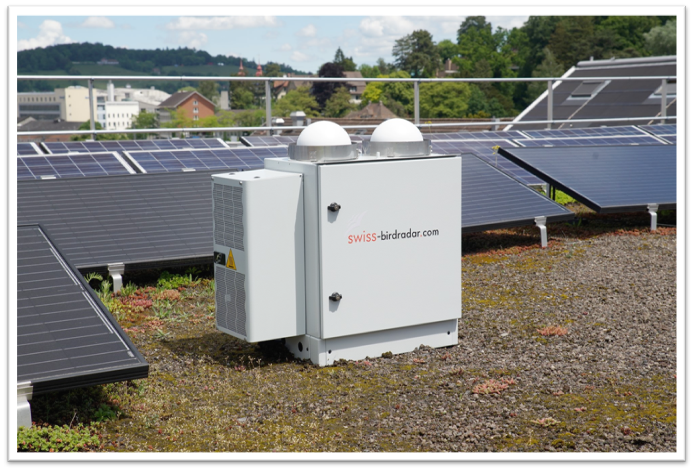
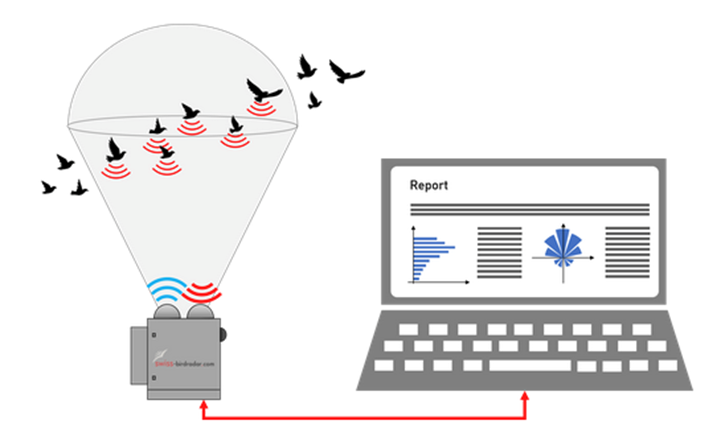
The BirdScan MR2 compact mobile radar was recently developed to quantify the movement of animals through the airspace at high resolution. These radars are unique in their ability to distinguish bats, insects, and different groups of birds (i.e., waders, passerines, and swifts) based on their wing-beat patterns, record flight directions and flight speeds, and measure height distributions in relation to atmospheric conditions. The MR2 model is newly released in 2024 with capabilities to detect small birds up to an altitude of 1,000 m in real-time with a spatial resolution of 1.5 m. It is small and relatively light with limited power needs, making it ideal for field sampling from the bed of a truck, and has a user-friendly interface designed collaboratively with ecologists at the Swiss Ornithological Institute.
We had some setbacks with the matching funding so we do not have the radar yet. However, it is in the process of being built and is expected to arrive this winter, just in time to start using it next spring migration. Stay tuned!

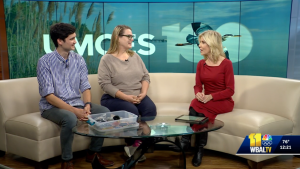 WBAL TV Appearance
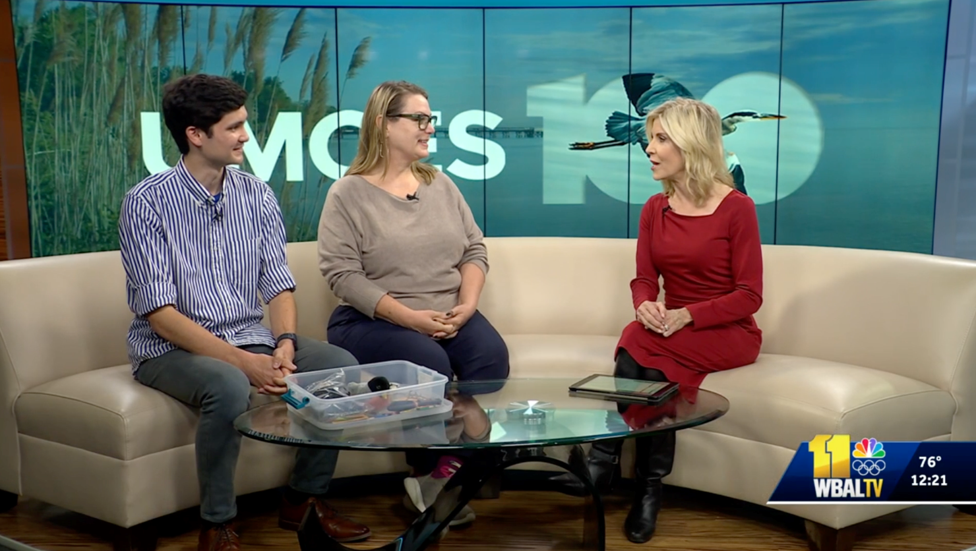
Emily Cohen and Brian Tsuru recently appeared on WBAL TV’s noon news broadcast to talk about bird migration.
Click here to watch the segment.
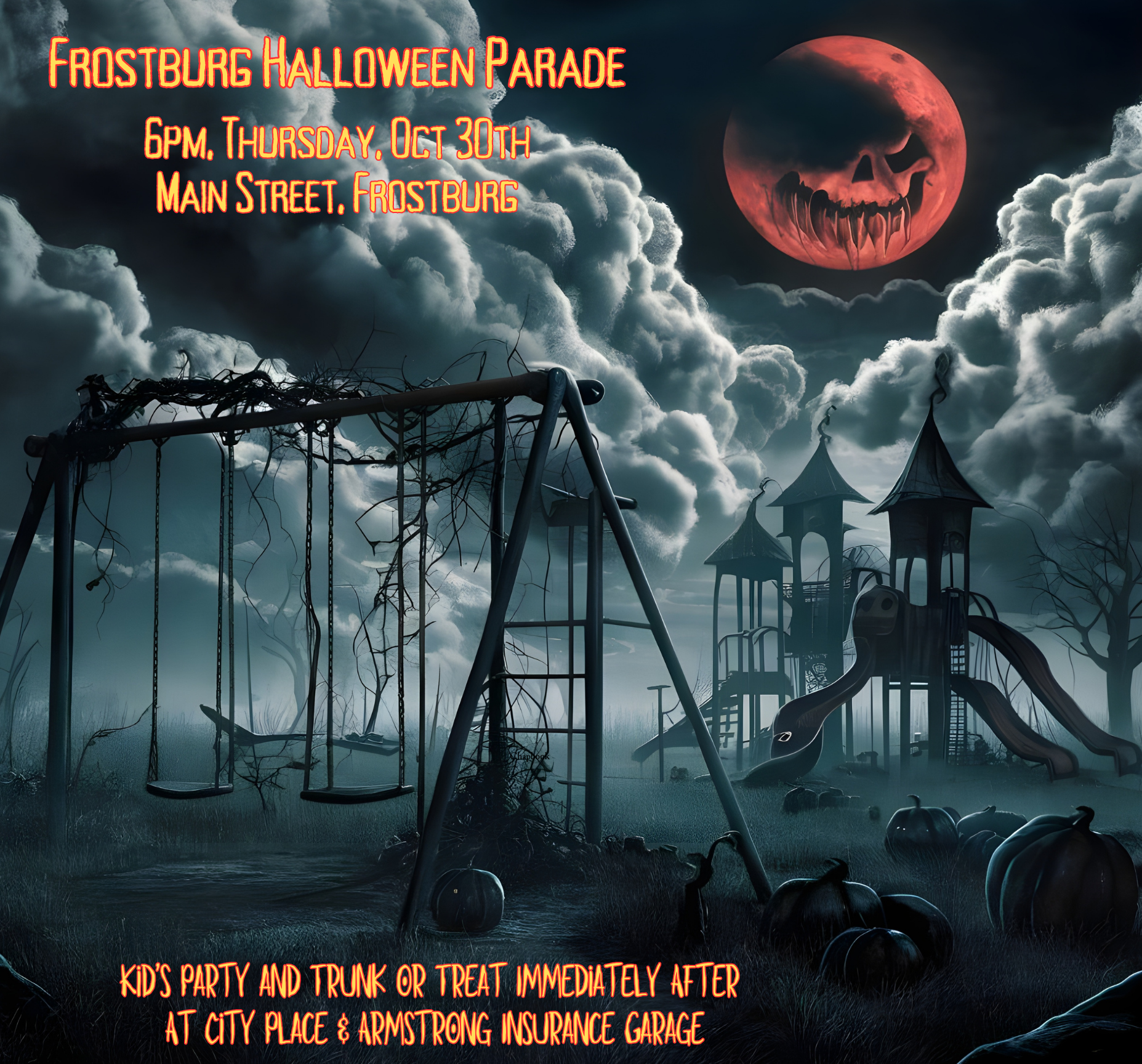
Frostburg Halloween Parade
 ARC Conference
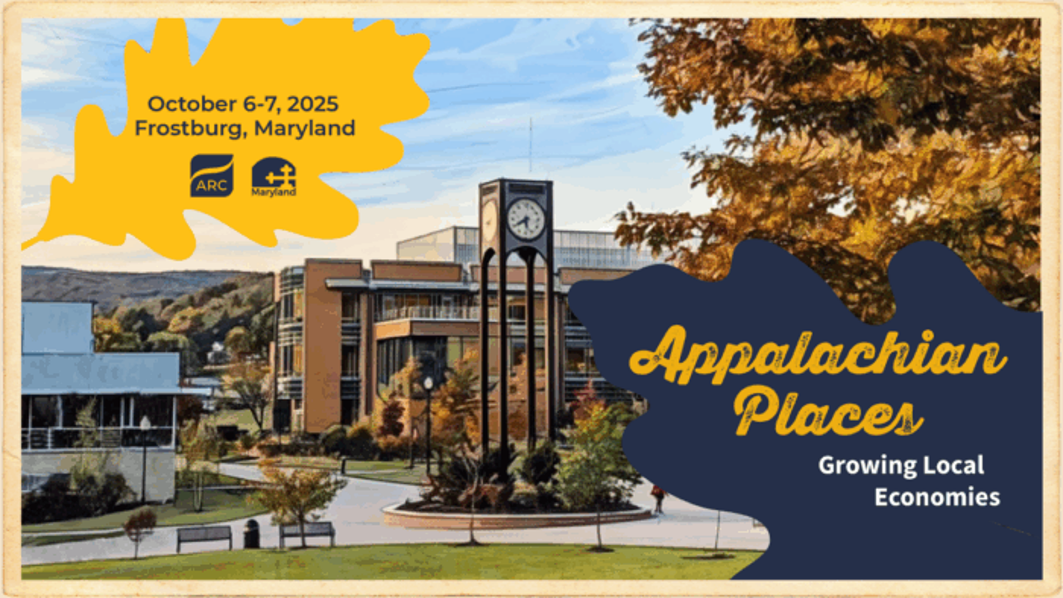
In early October, Dave participated in the Appalachian Regional Commission’s Conference, co-hosted by the state of Maryland and held at FSU. The theme was Appalachian Places: Growing Local Economies.
Campus Safety Assessment
UMCES is currently undergoing an internal assessment. Safety Advisors for Educational Campuses (SAFE) has been contracted to review UMCES’ policies and procedures related to campus safety. It shouldn’t directly affect most members of our community, but we wanted to make you aware of the process. We hope to come away with advice to make our campus community as safe and secure as possible. They will be conducting a campus visit on November 3rd. Please reach out to Heather if you have any questions.
Why DEI?
The AL DEI group wants to raise awareness of what DEI is and why it’s relevant to you. This semester’s theme is “Why DEI?”.
 This month, we want to highlight institutional responsibility.
We have state university, funding, and lab mandates to provide education and research that serves the public, and to increase the diversity of our workforce so that it reflects the communities that we serve. As members of these institutions, we have a responsibility to carry forward their commitments to DEI.
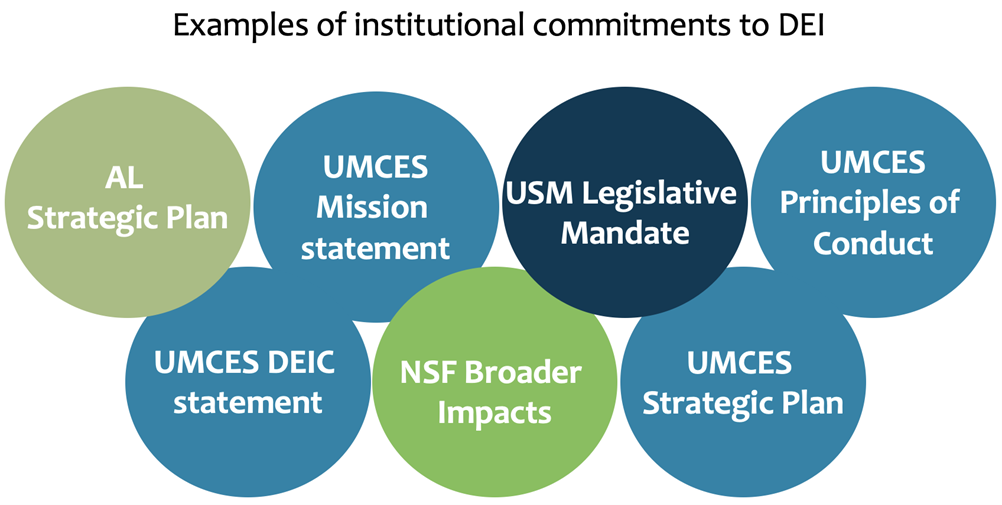
Next month, we’ll highlight the theory and research that support these mandates. Hint: diverse teams are often more productive and do better science!
Questions, comments, concerns?
Fill out our anonymous feedback form: https://tinyurl.com/4f7cjwwr
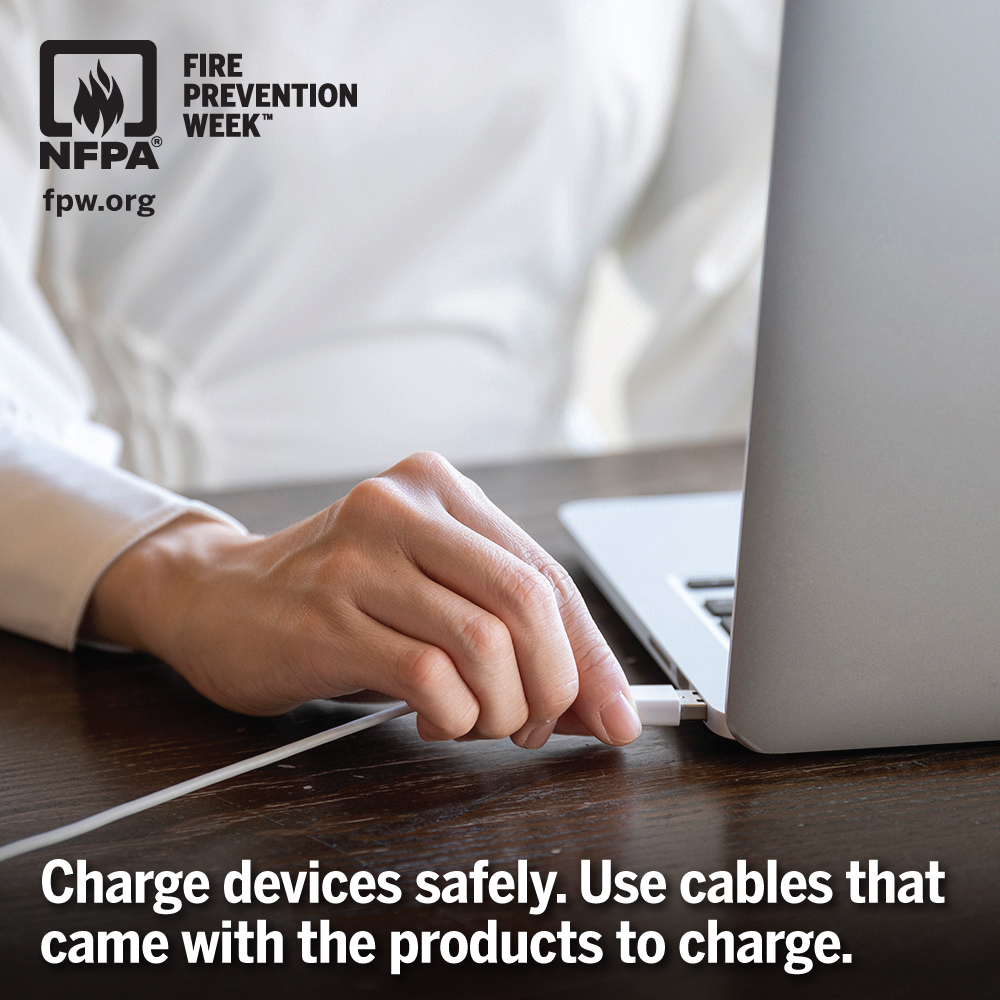
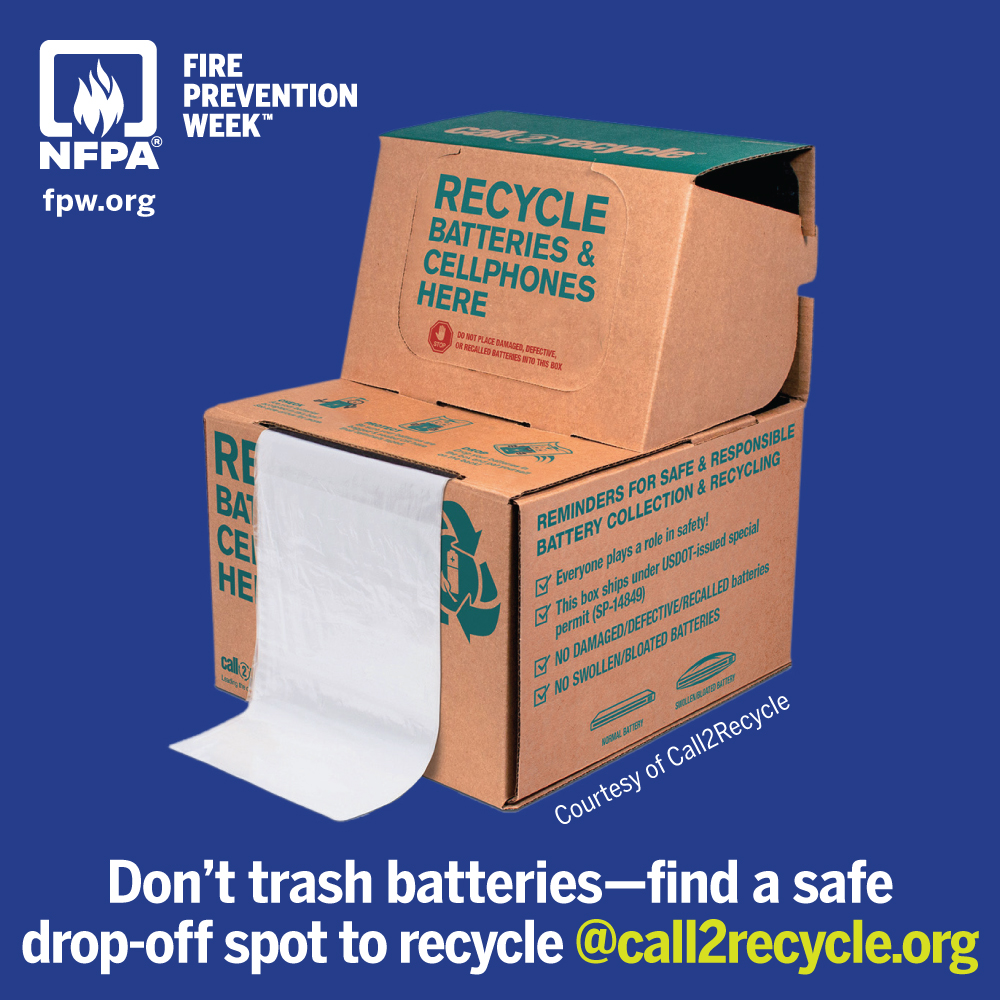
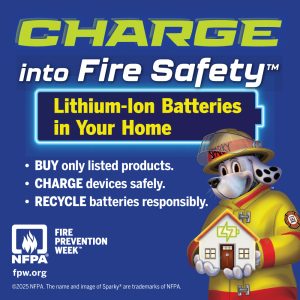 Earlier this month was the National Fire Protection Association’s annual Fire Prevention week and the 2025 theme was “Charge into Fire Safety: Lithium-Ion Batteries in Your Home“. It attempted to shine a spotlight on a danger hiding in plain sight: lithium-ion batteries.
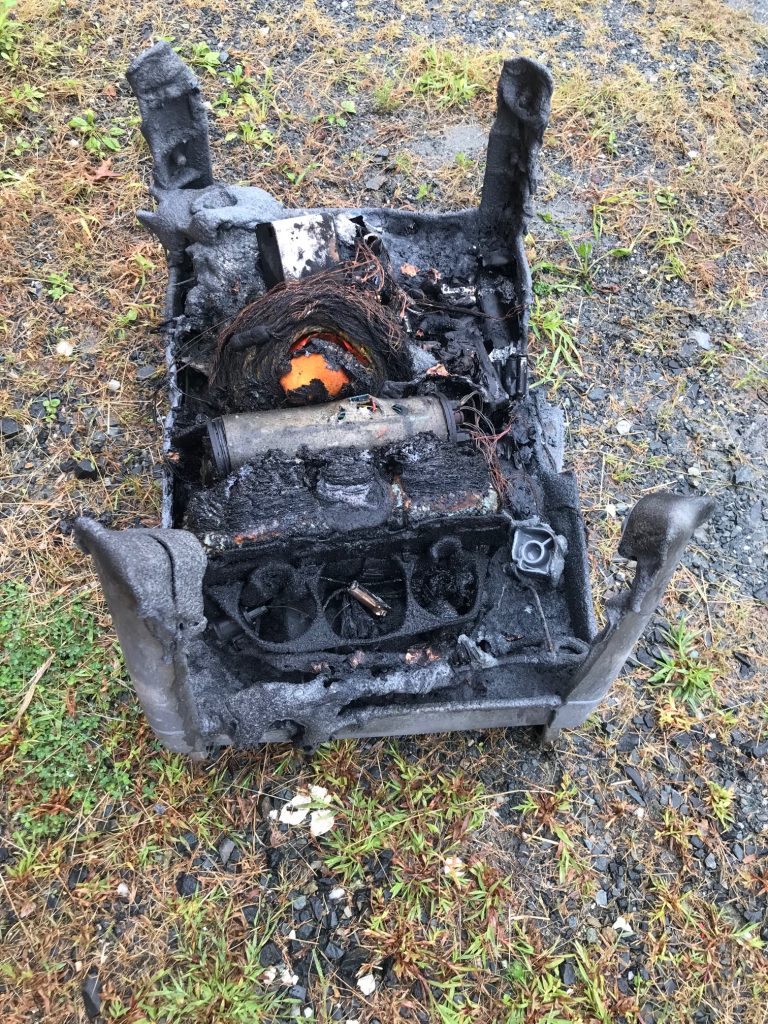
Why this focus? Because these batteries power nearly everything in our homes and in the workplace, including smartphones, laptops, power tools, e-bikes, cordless vacuums, toys. When misused or damaged, they pose a real fire risk. In March earlier this year, a Southwest flight was evacuated at Reno after a passenger’s laptop battery caught fire during deplaning. All 117 passengers evacuated safely; one passenger was treated for burns. In Baton Rouge, Louisiana, a handheld radio’s lithium-ion battery went into thermal runaway on a docked oil tanker, causing a fire with about $3 million in damages. One of our own campuses, HPL, experienced a fire in the fall of 2022 due to a lithium-ion battery charging incident. A battery used to power an underwater drone was left charging unattended over a weekend. The activation of their sprinkler system probably saved their AREL building.

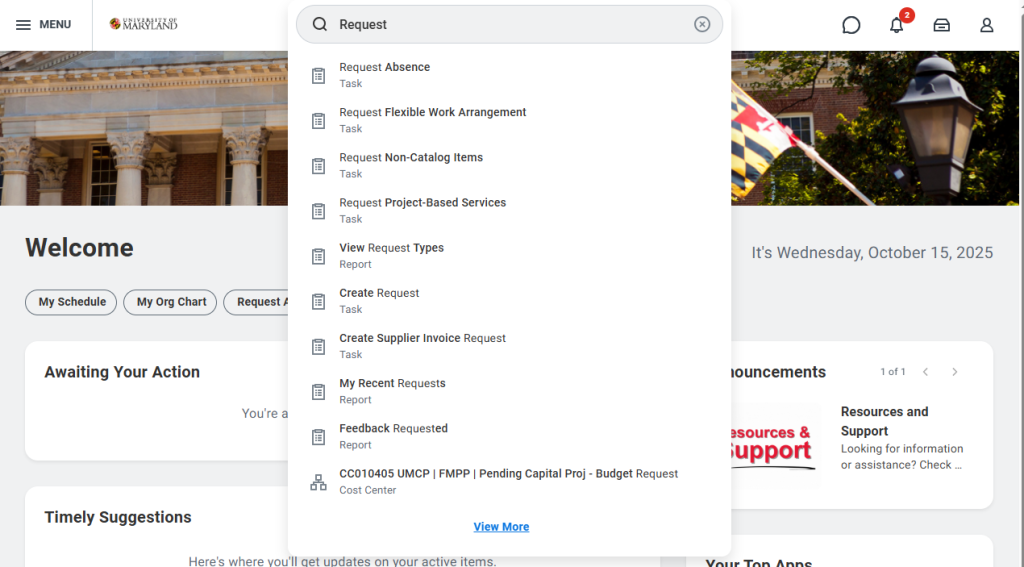
As a refresher, here’s a summary of the absence request process in Workday:
1. Login to Workday with your UMD credentials and complete the 2FA.
2. In the search bar, search for: Request Absence
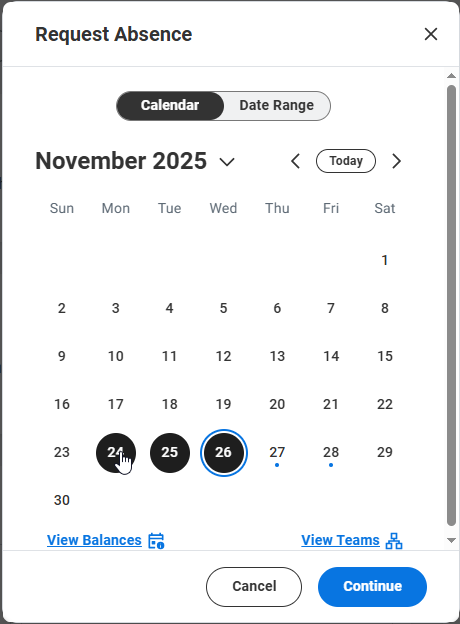
3. Select the day or days using the calendar view and click the Continue button:
4. Select the type of absence:
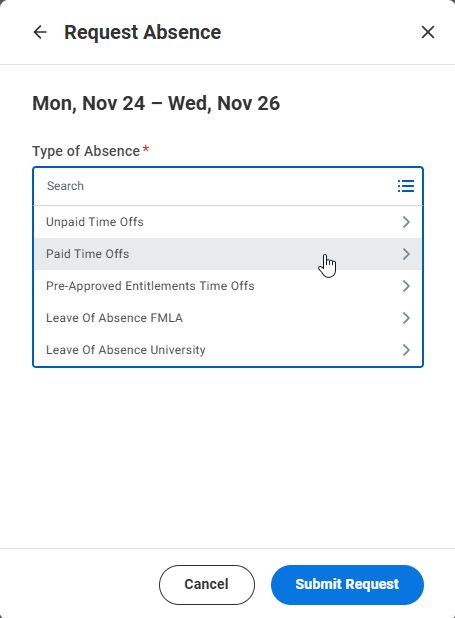
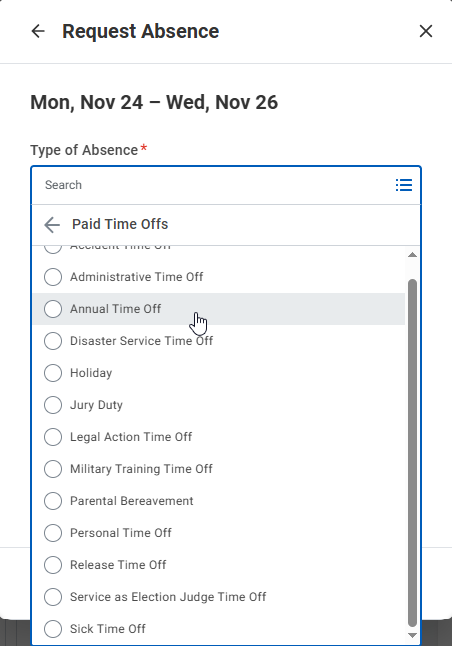
Please note that you should always select Paid Time Offs unless you have been specifically instructed otherwise by HR.
5. Select the most appropriate type of Paid Time Offs from the choices depending on the type of leave you are opting to use:
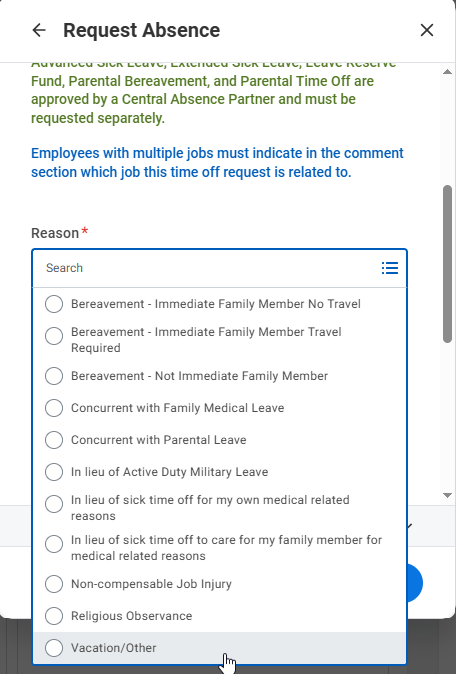
6. You will then be prompted to select a reason for your absence that corresponds to the type of leave you selected. If you are not taking a full day, adjust the Hours accordingly. Reason options for Annual Time Off (aka Annual Leave) are shown below:
7. Click the Submit Request button.
Your supervisor will receive a notification about your leave request and will approve or deny it. This will automatically adjust your leave balance.
If you’re a supervisor, don’t forget to login to Workday regularly to address outstanding leave requests. If you have any questions you can reach out to Heather.