Appalachian Lab
Monthly Newsletter

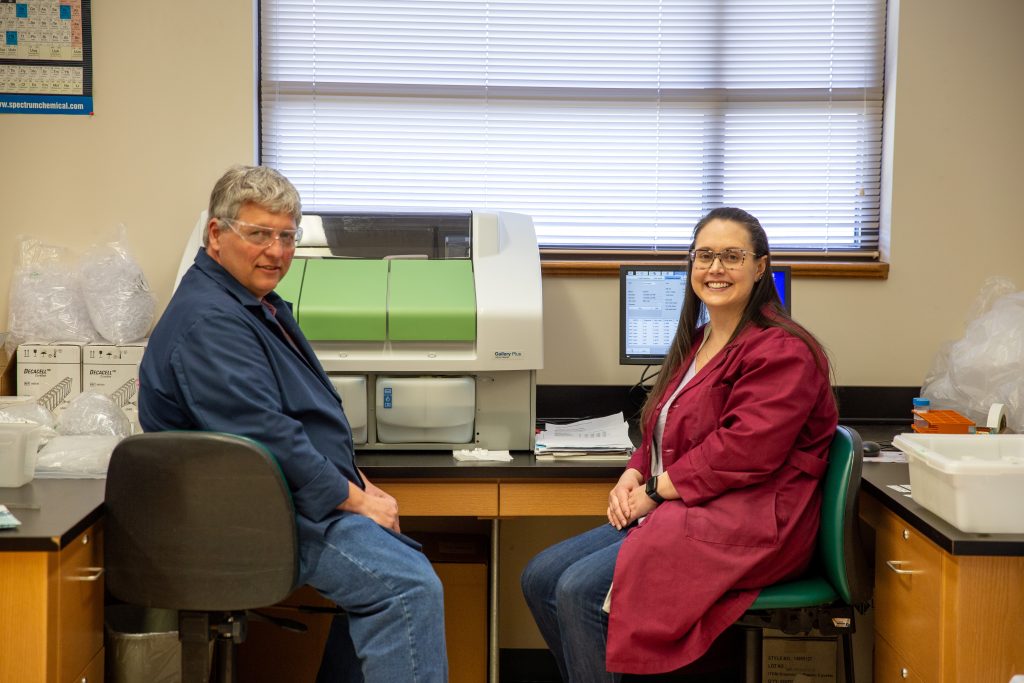
Thanks to a 2024 grant from Appalachian Regional Commission, the AL Water Chemistry Lab recently received a new instrument for measuring different forms of nutrients—primarily nitrogen and phosphorus—in water.   The instrument is a Gallery Plus discrete analyzer that uses robotic technology to automate wet chemical analysis by handling all sample preparation, reagent addition, mixing, incubation, and photometric measurement steps in each analysis—while using miniscule volumes of sample and reagent.  The lab’s two senior FRA’s, Jim Garlitz and Briana Rice, have both been fully trained to operate the new instrument and are currently testing different analytical methods with a goal of eventually replacing our current flow injection analyzer with the discrete analyzer.  While the older instrument is still fully functional, extremely reliable, and produces excellent data, it is no longer supported by the manufacturer. With repair parts mostly unavailable (except from instrument junkyards), procuring the new instrument will allow us to maintain the lab’s nutrient analysis capabilities for many years to come.  

Keith Eshleman
Recent Achievements/Activities/Successes

Bird Banding Workshop

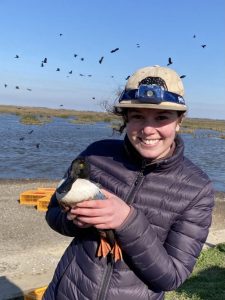
In March, Sarah Endyke traveled to the Gulf Coast to participate in a waterfowl banding course hosted by the Louisiana Department of Fish and Wildlife where she got the opportunity to gain invaluable experience in capturing, banding, and analyzing waterfowl data while banding more than 2,000 ducks.

From rocket nets to bait traps, attendees got up-close with critical techniques used to study and manage migratory gamebirds. Classroom sessions complemented fieldwork, giving students the opportunity to learn first-hand how waterfowl managers utilize data to make informed population management decisions.
Solar Ribbon Cutting

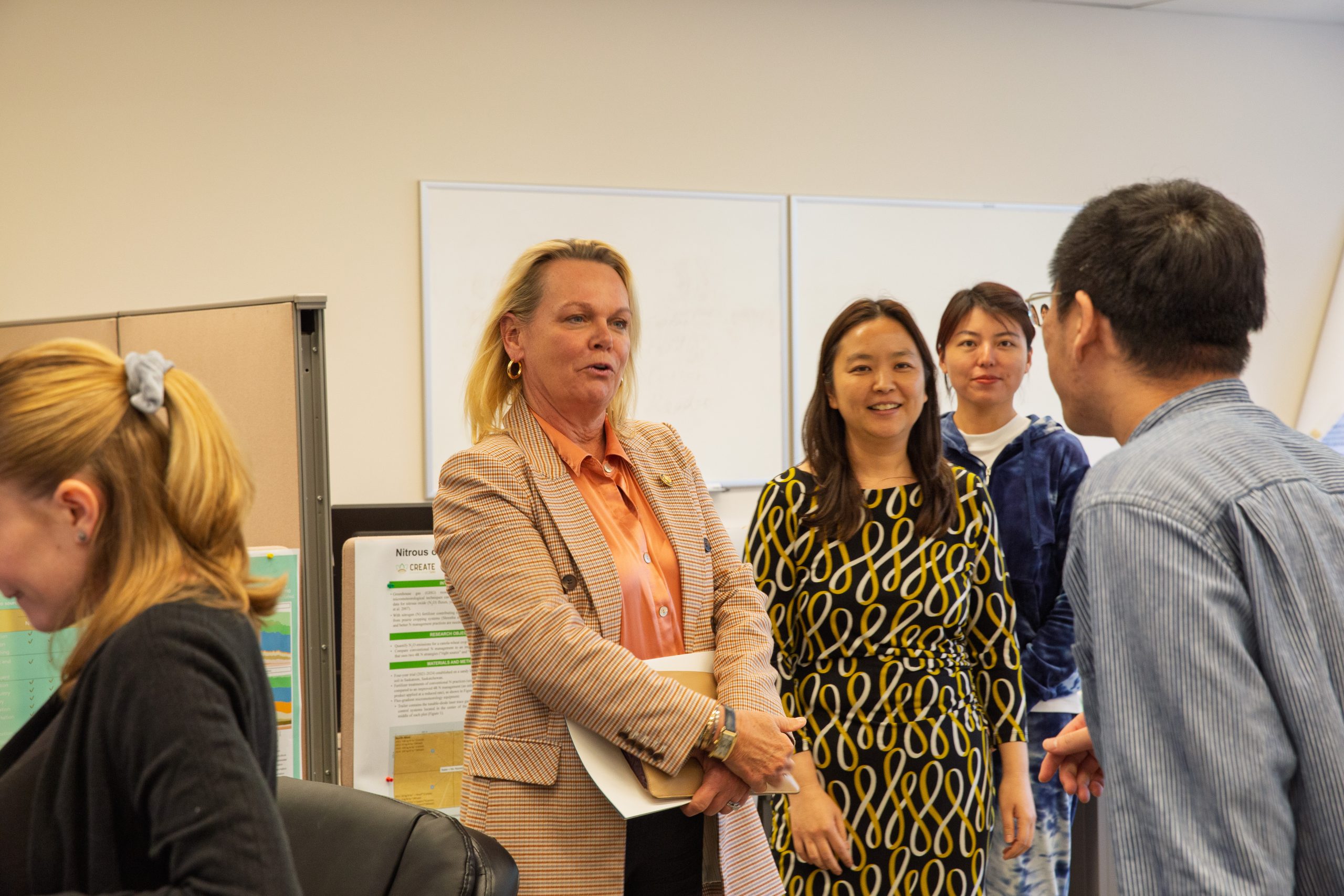
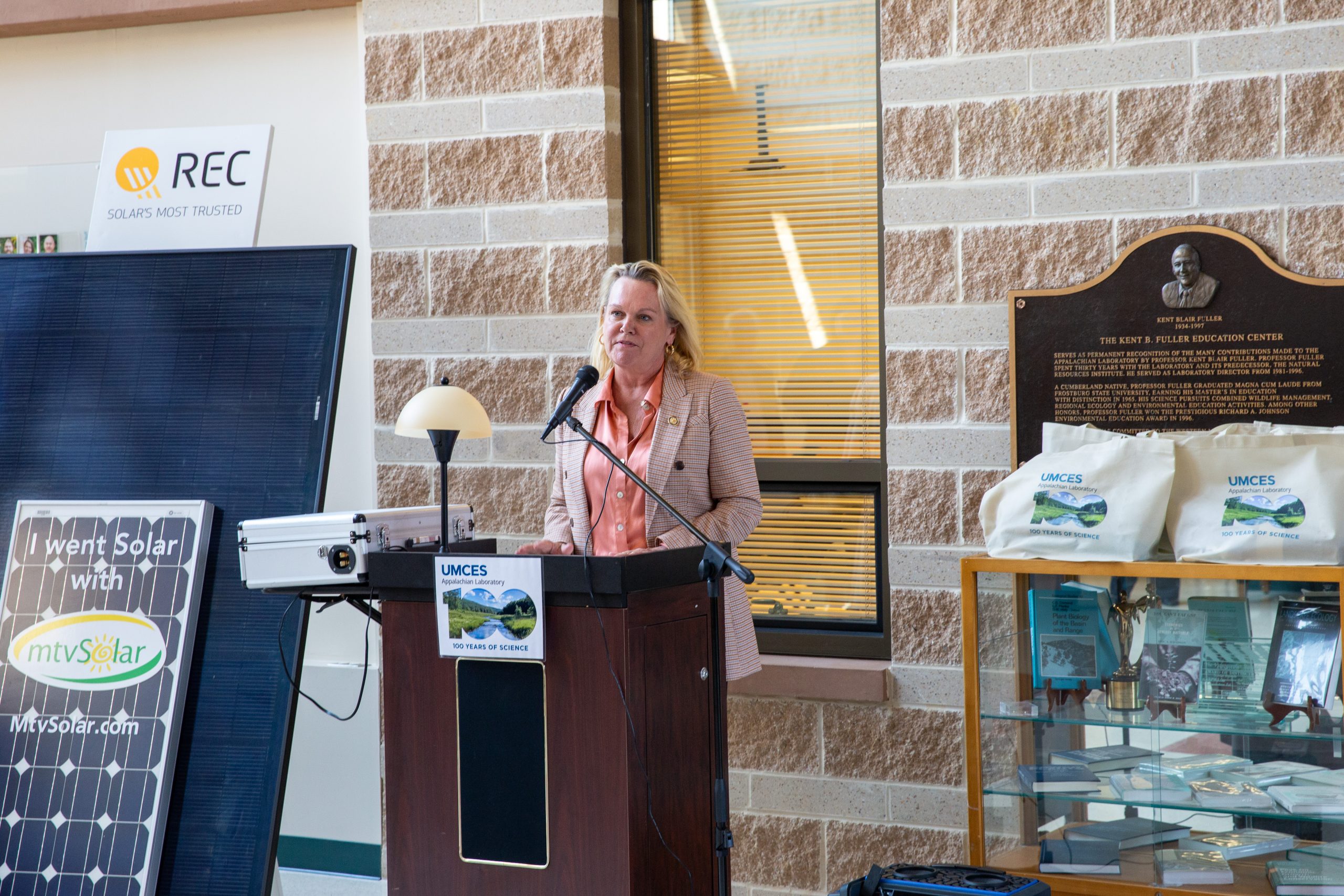
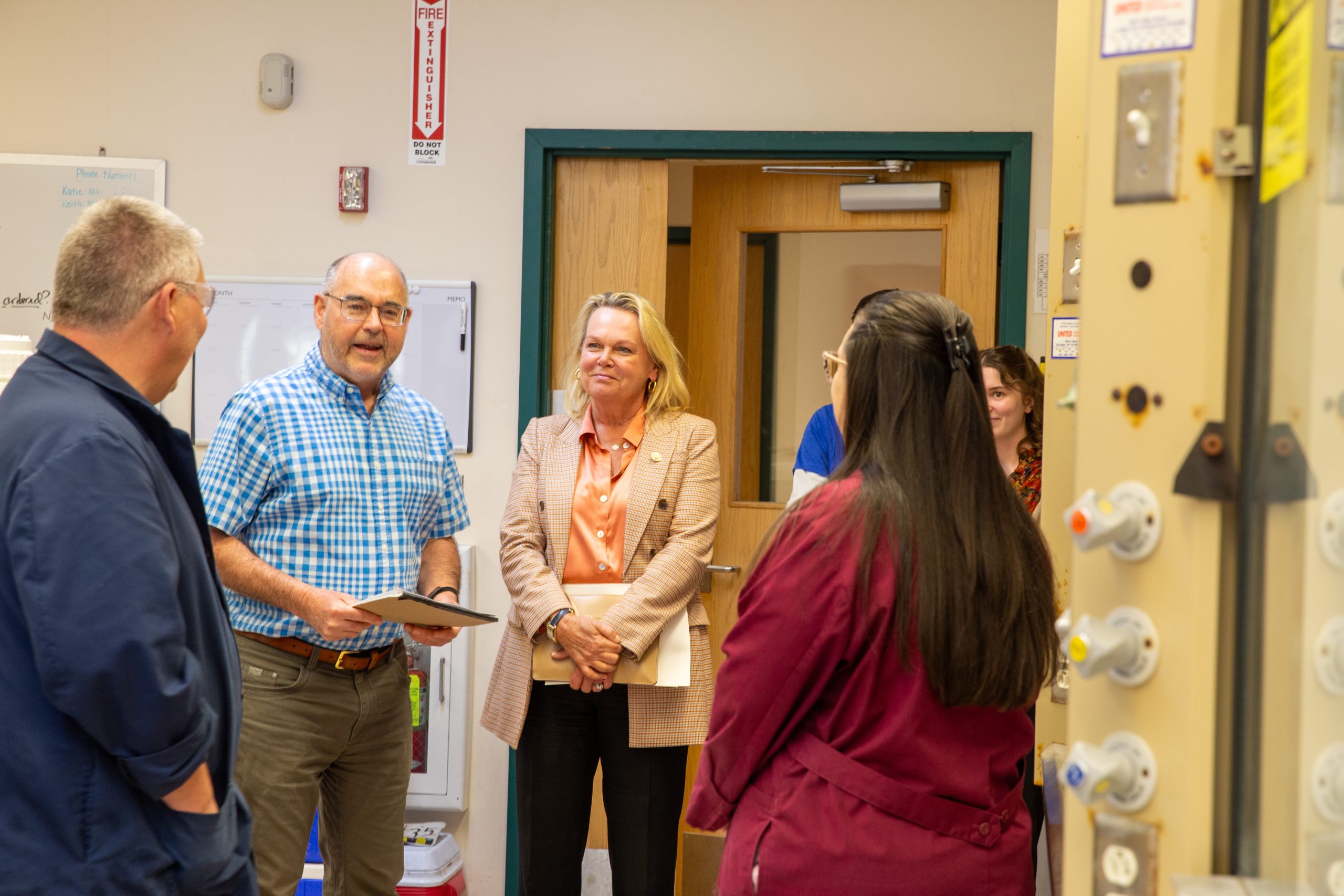
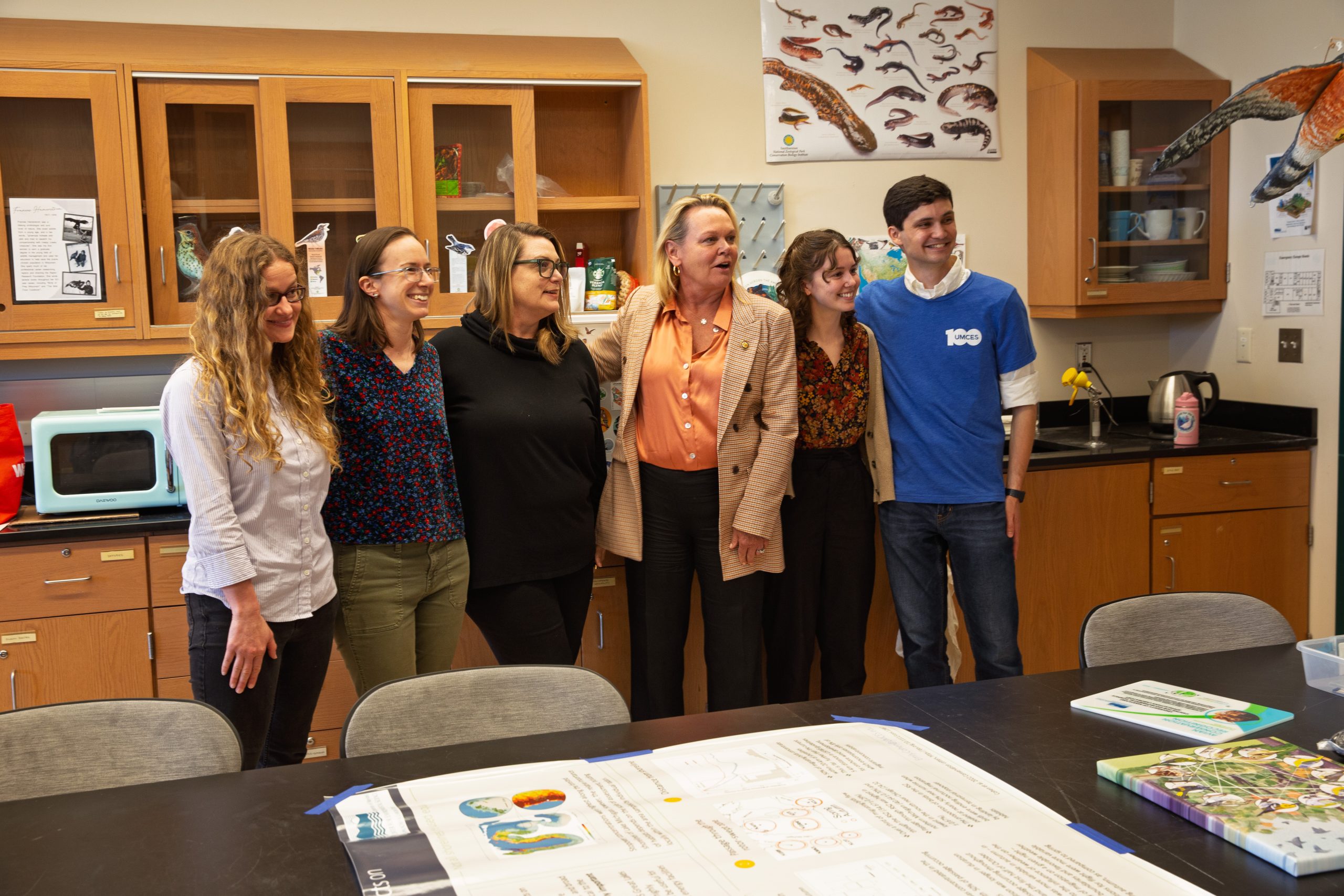
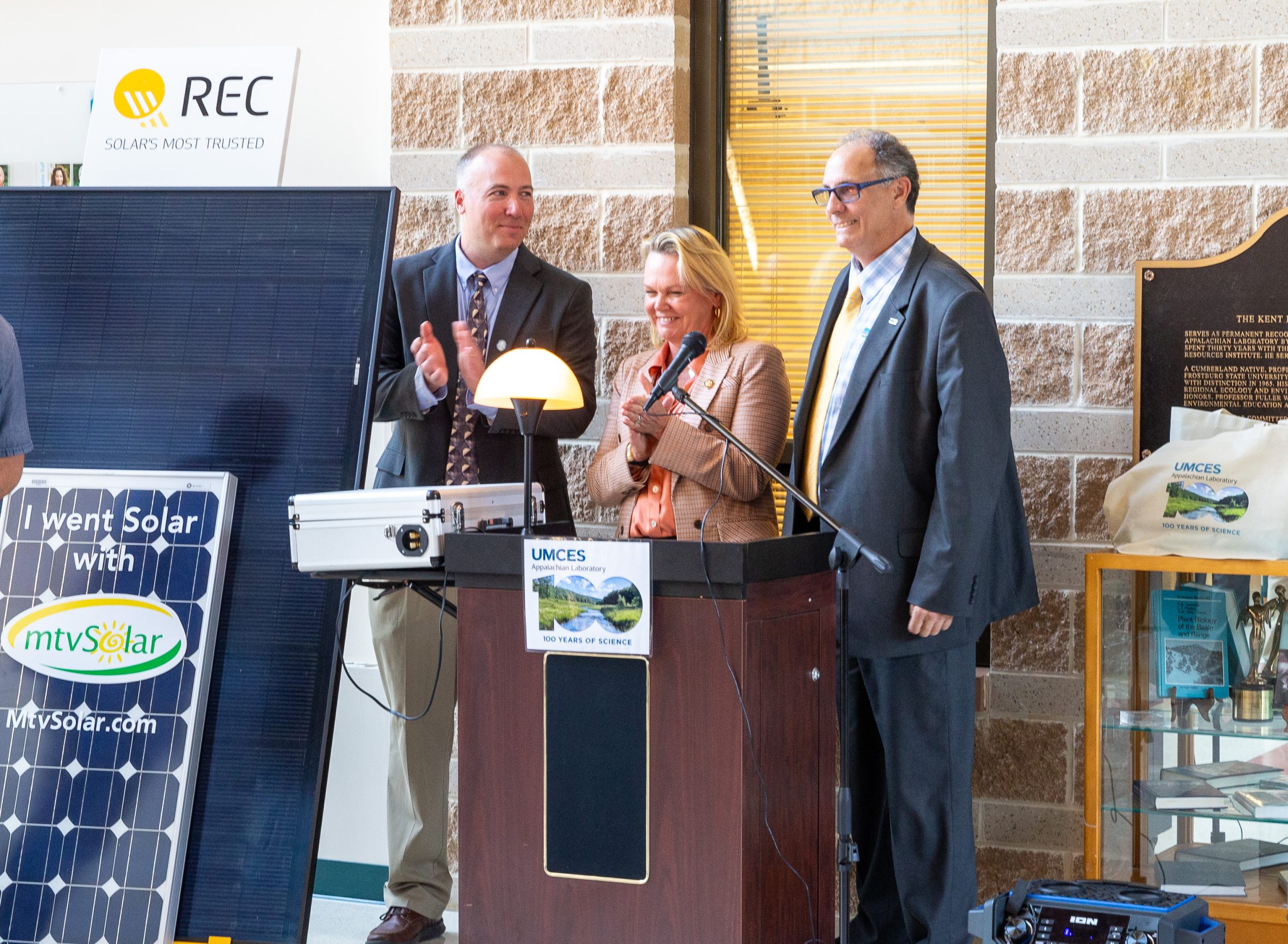
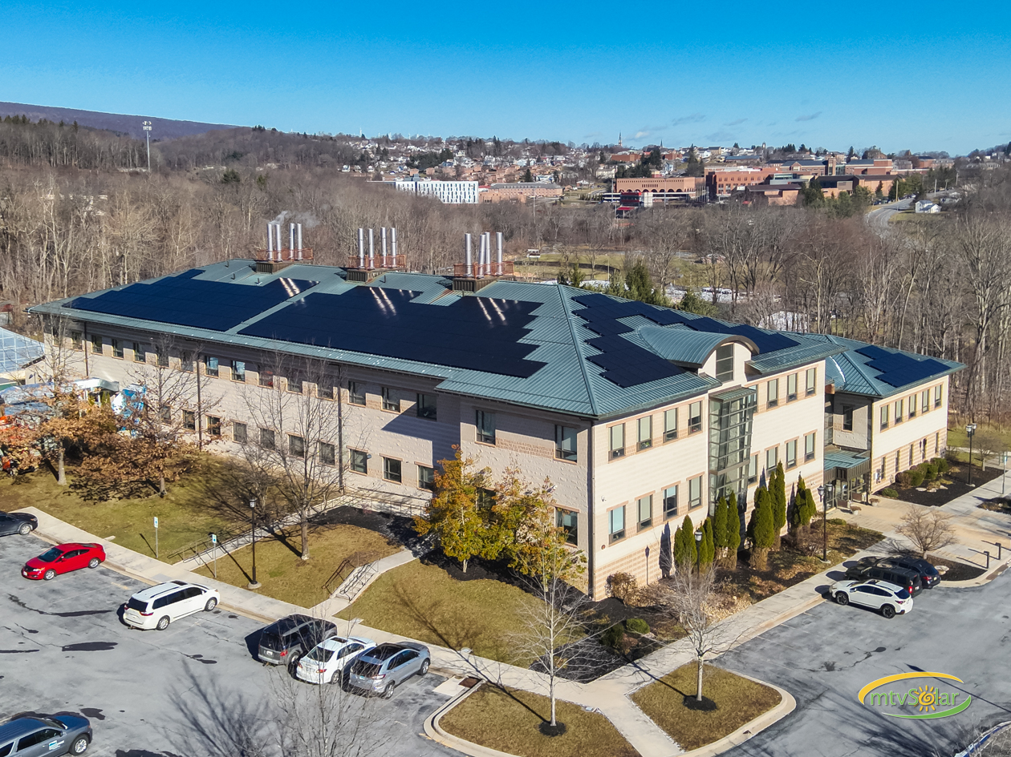
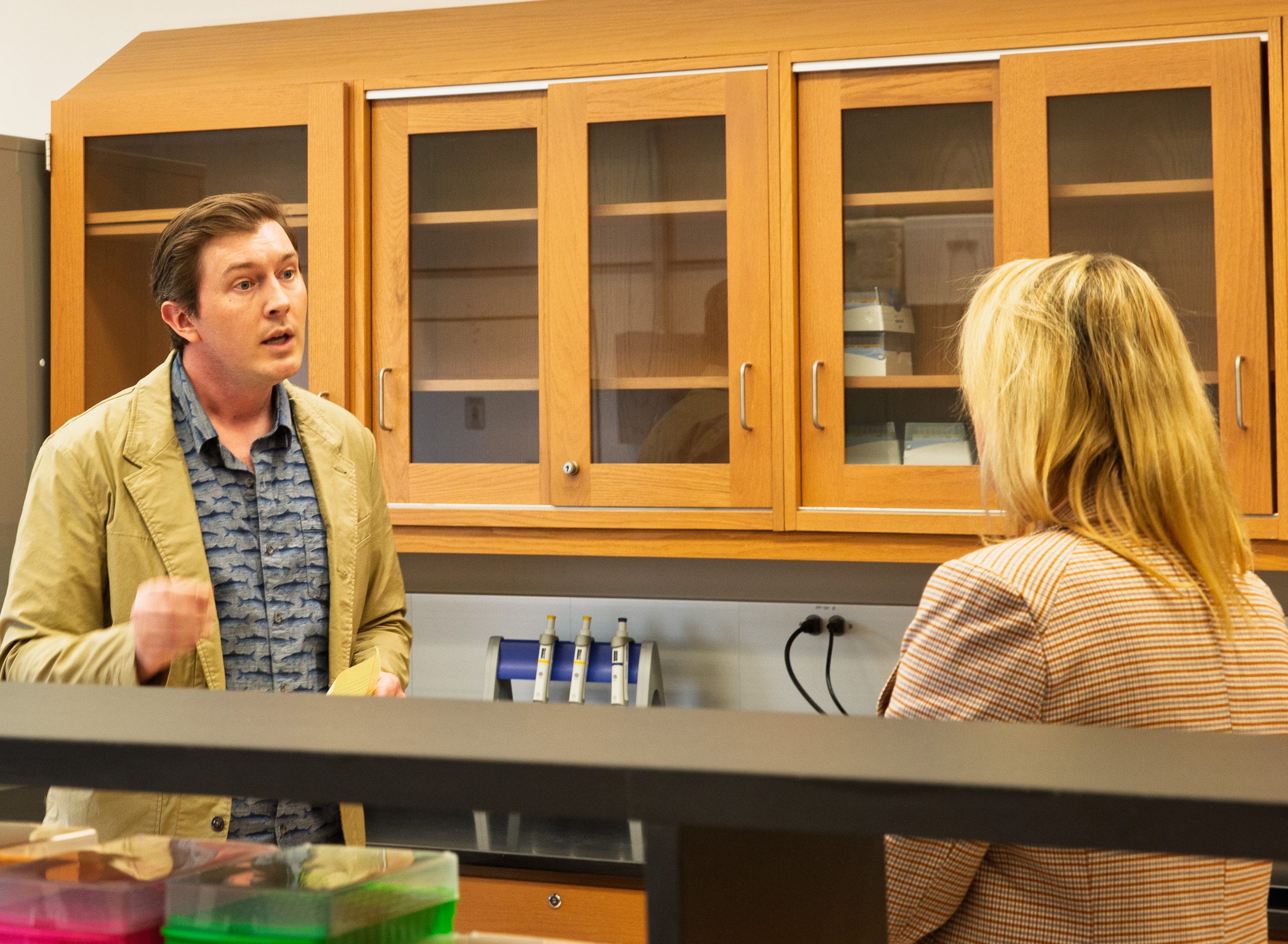
Last month, we held the ribbon cutting ceremony for our building roof solar project.  Our congressional representative, April McClain Delaney, attended and visited a number of our labs.  Thanks to everyone who made this event such a great success!


Feather Friendly Update
We have some anecdotal evidence to suggest that the Feather Friendly window film that were applied to the windows at the back of the lobby windows are working at preventing bird window collisions.  We still have window film, so we are planning to install it on other windows.


#100forUMCES – Birding Big Day

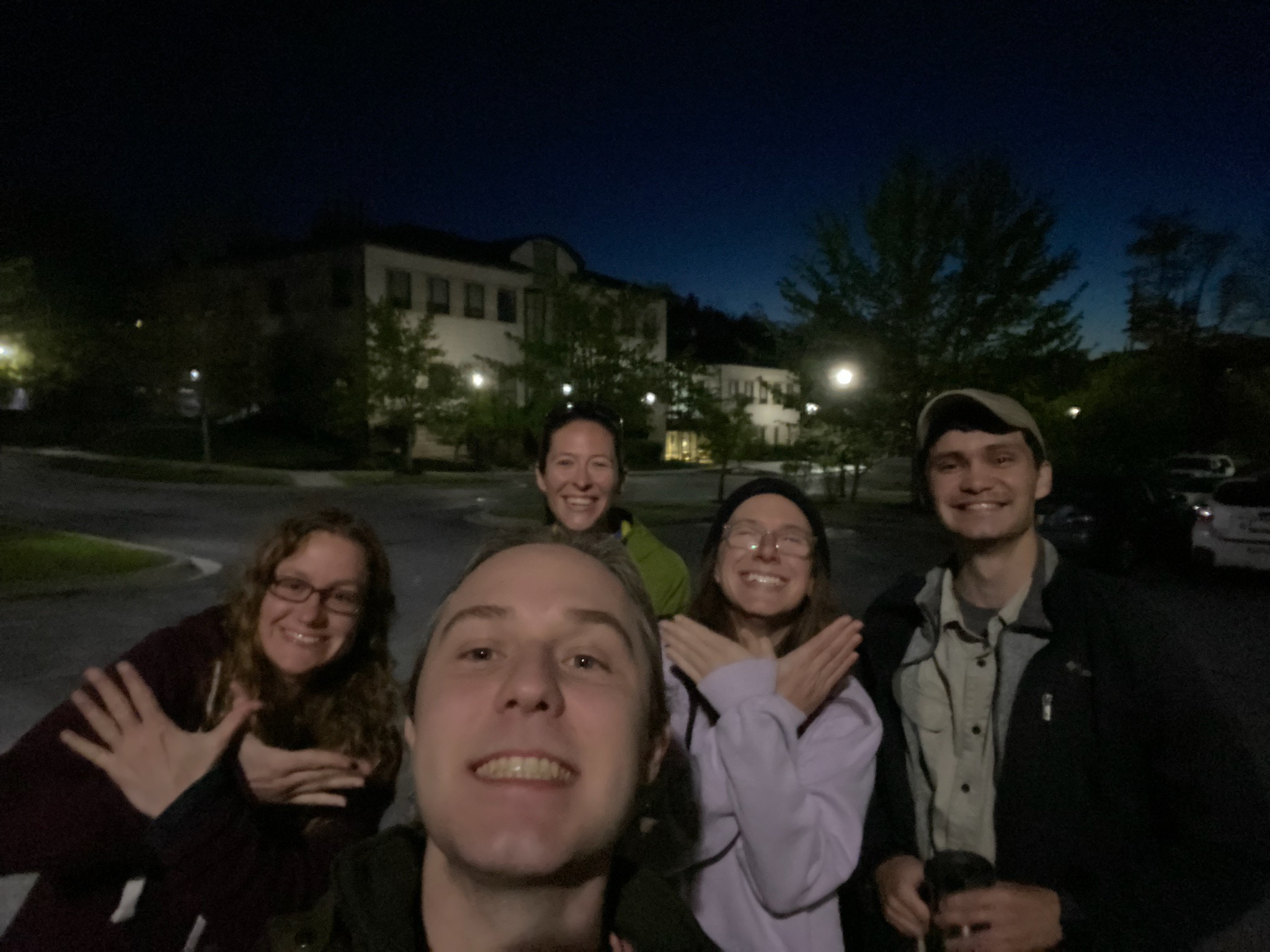
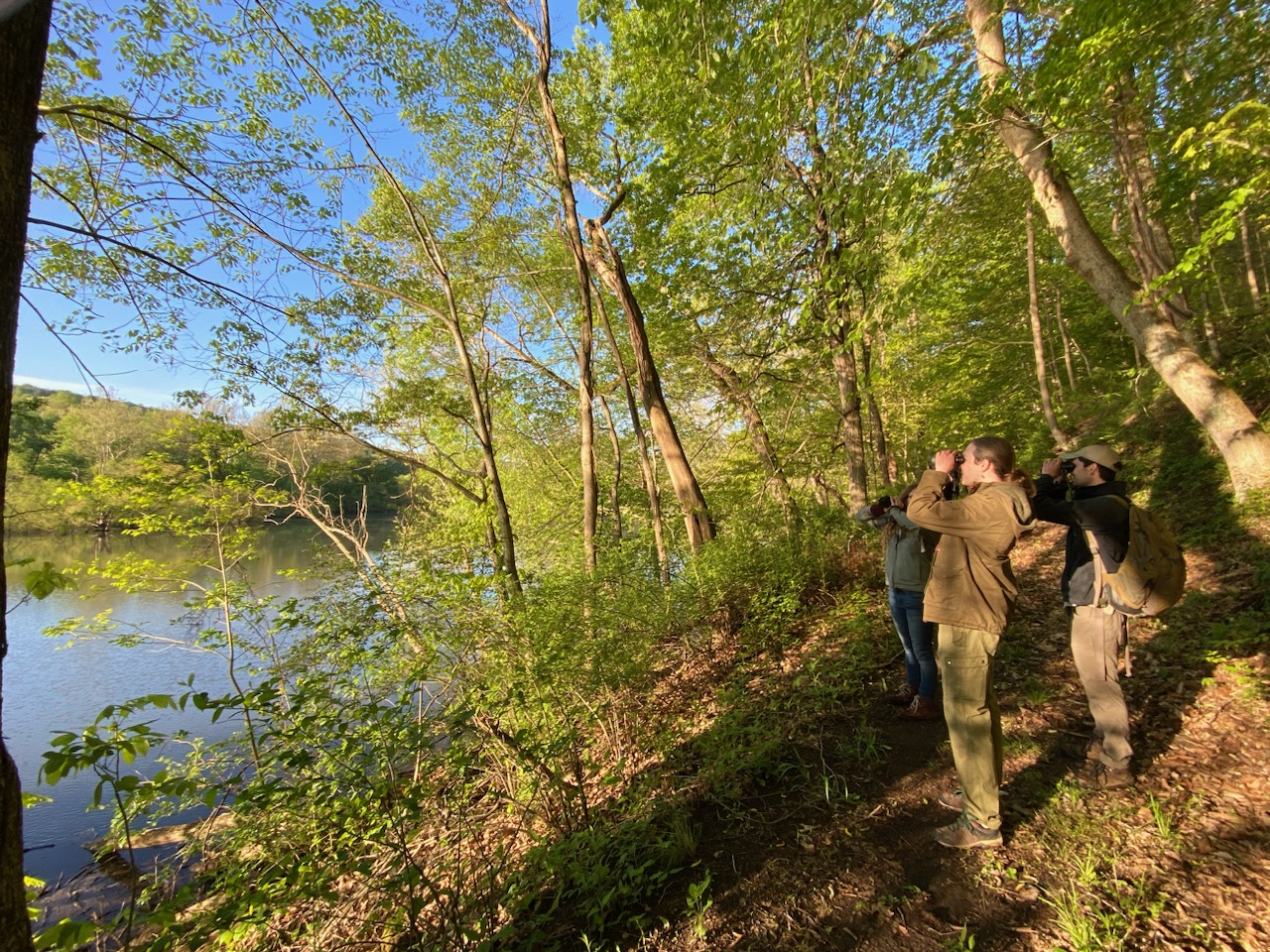
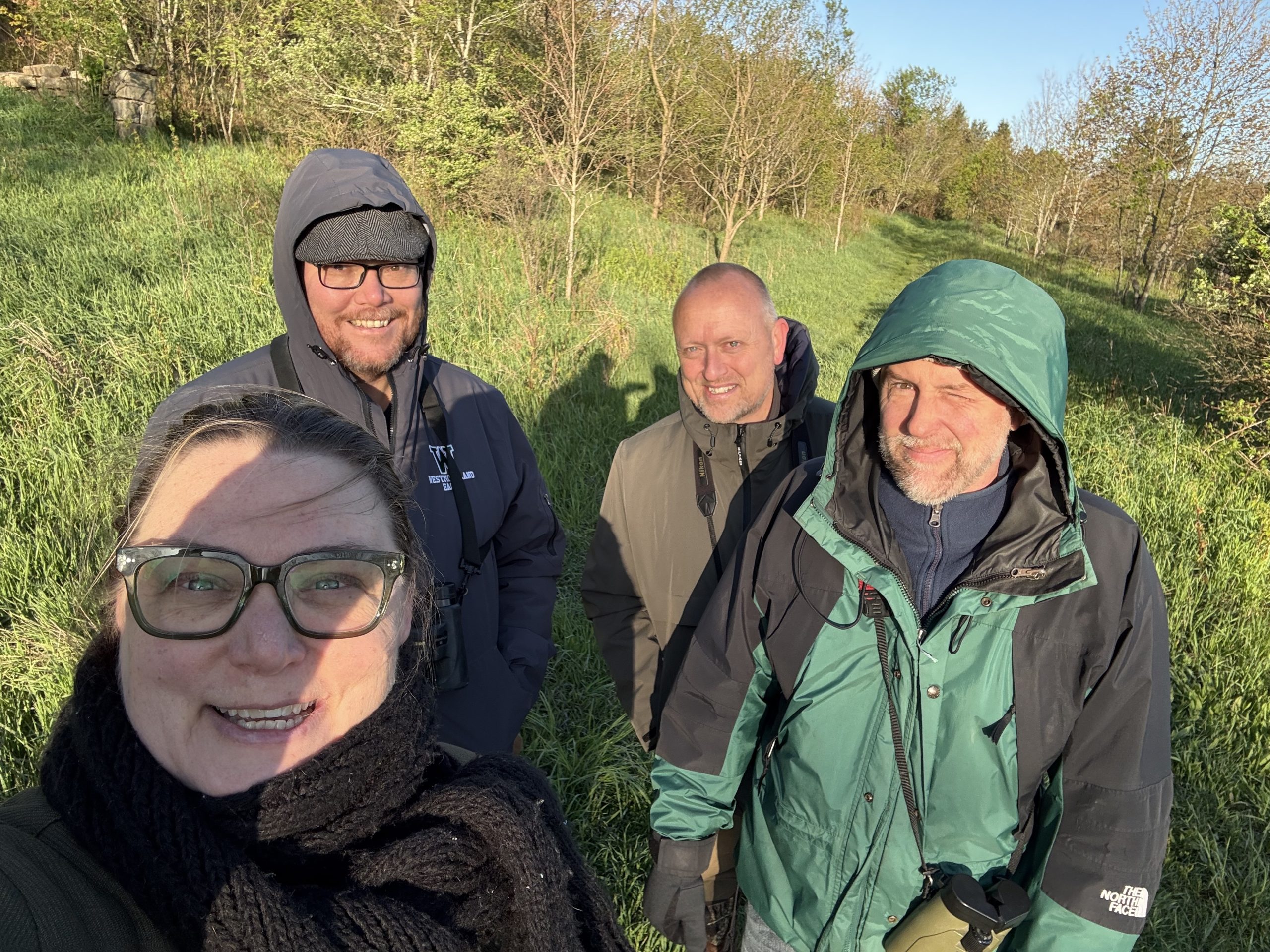
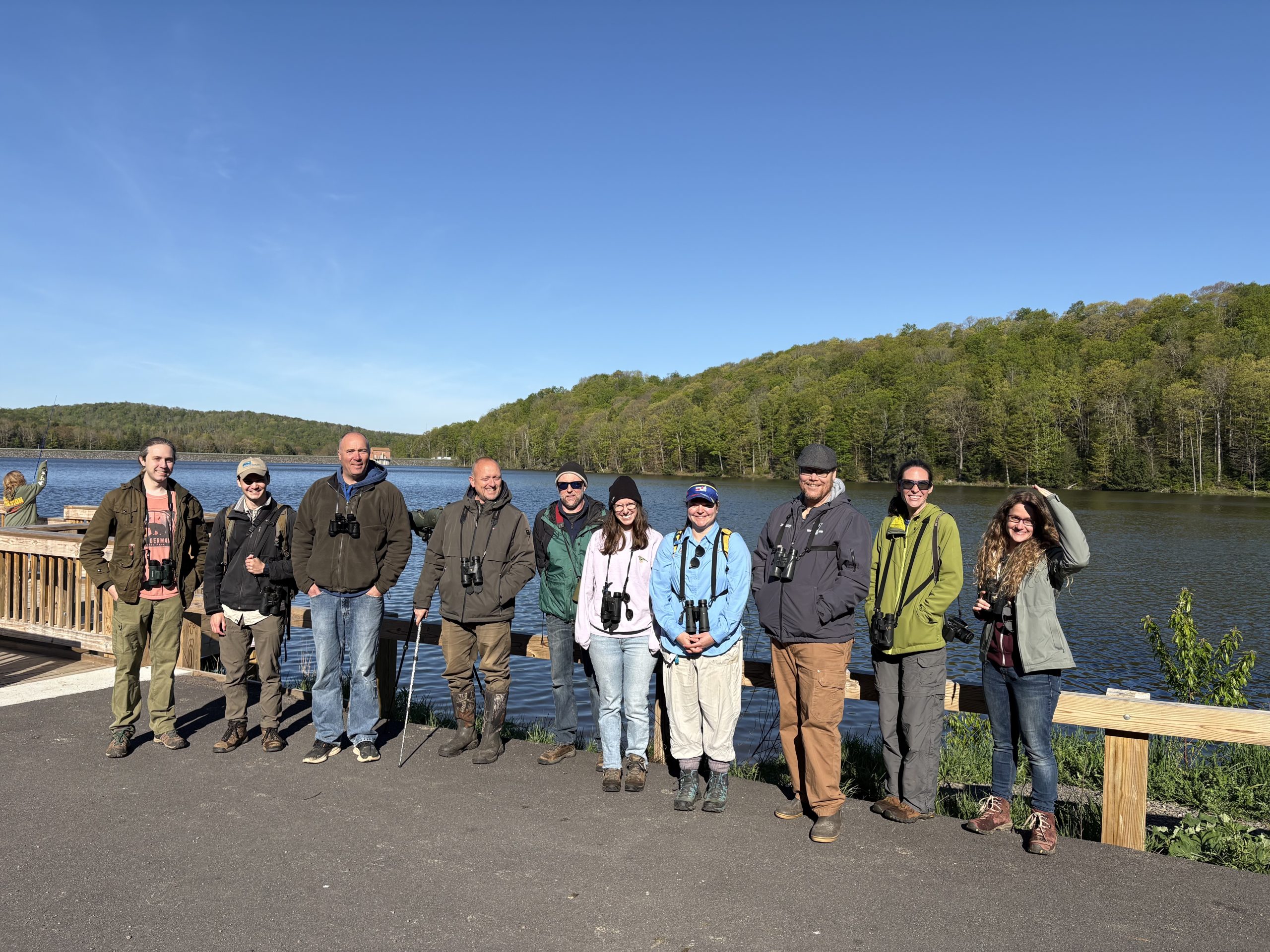
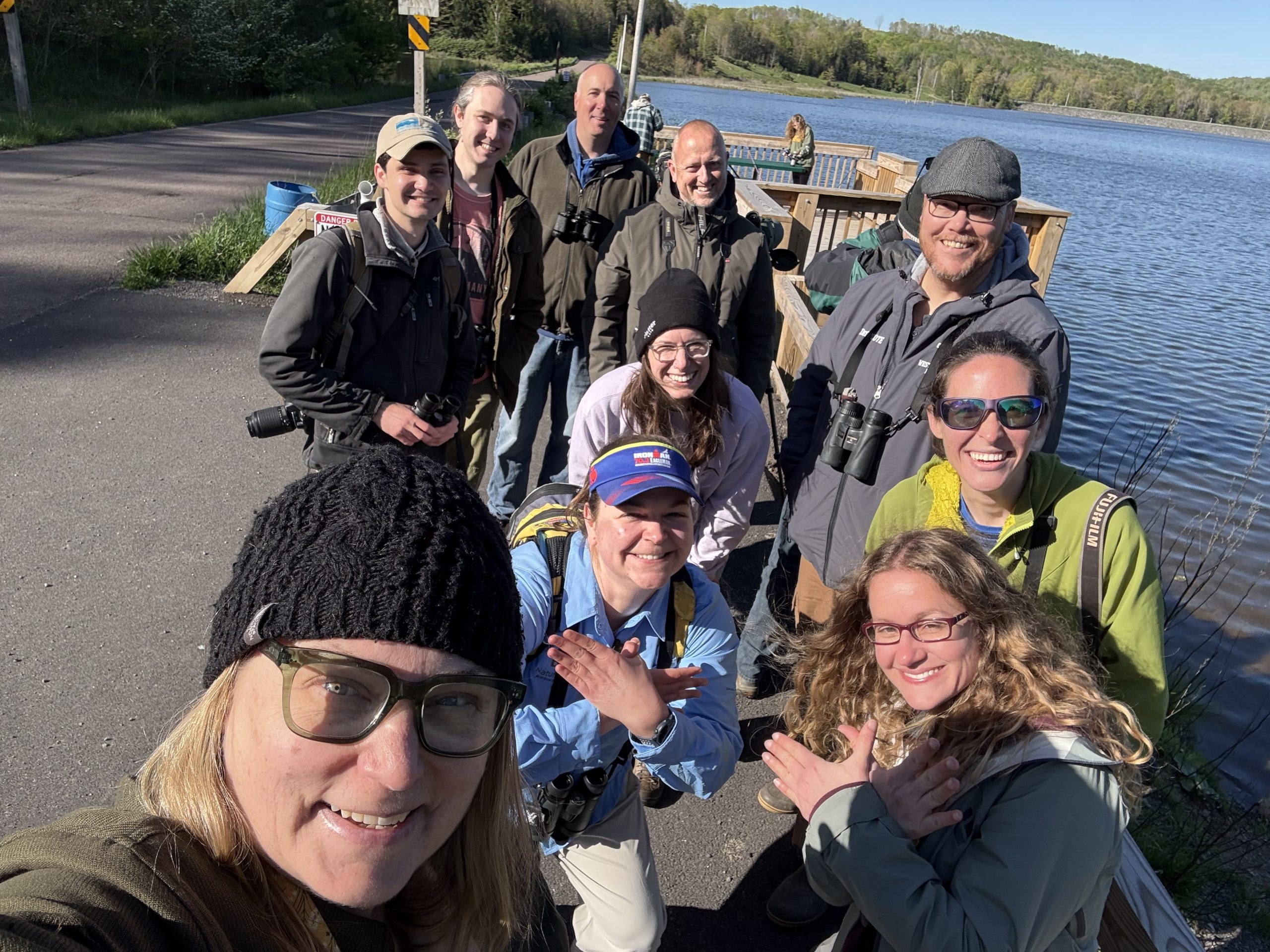
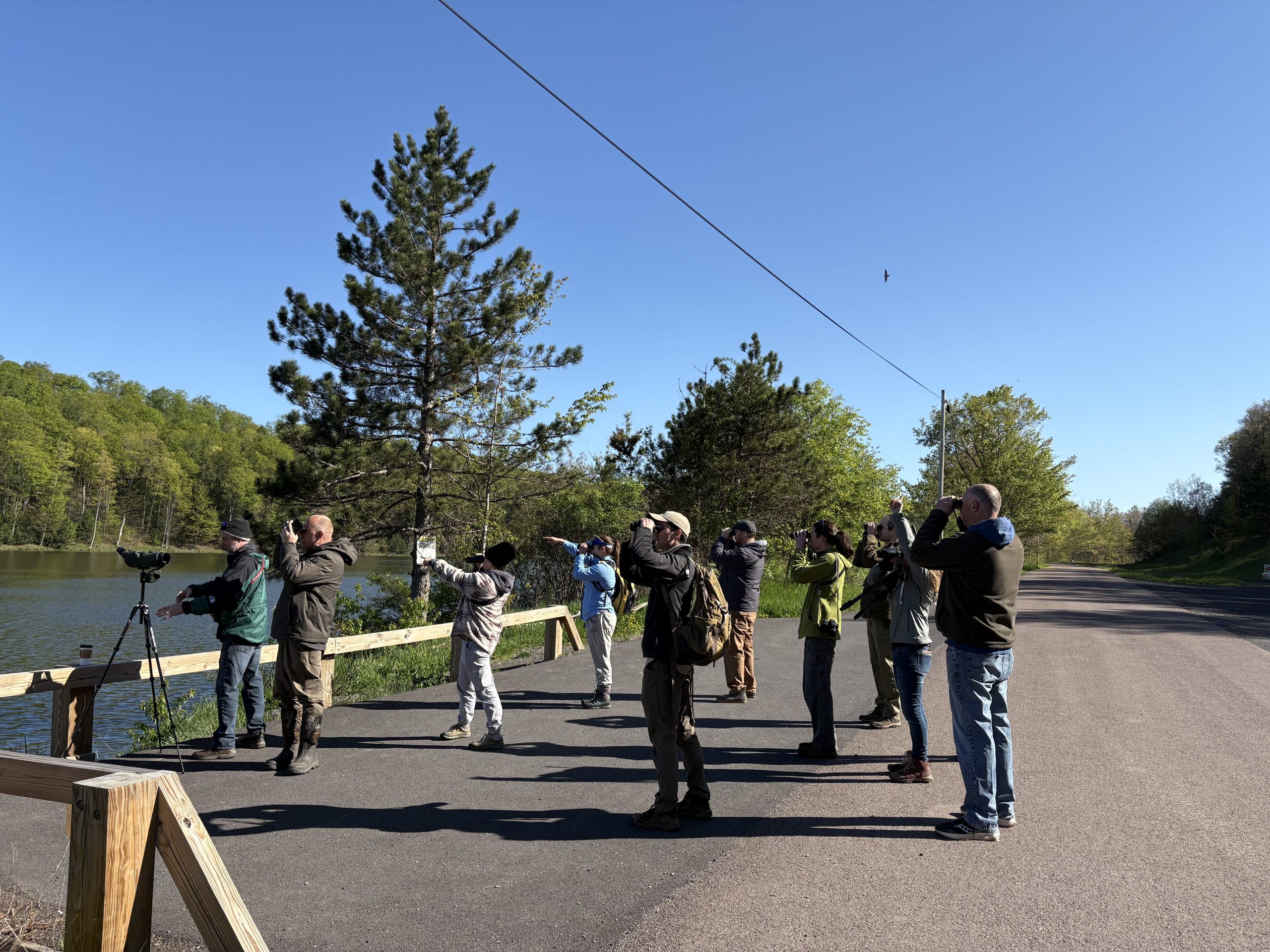
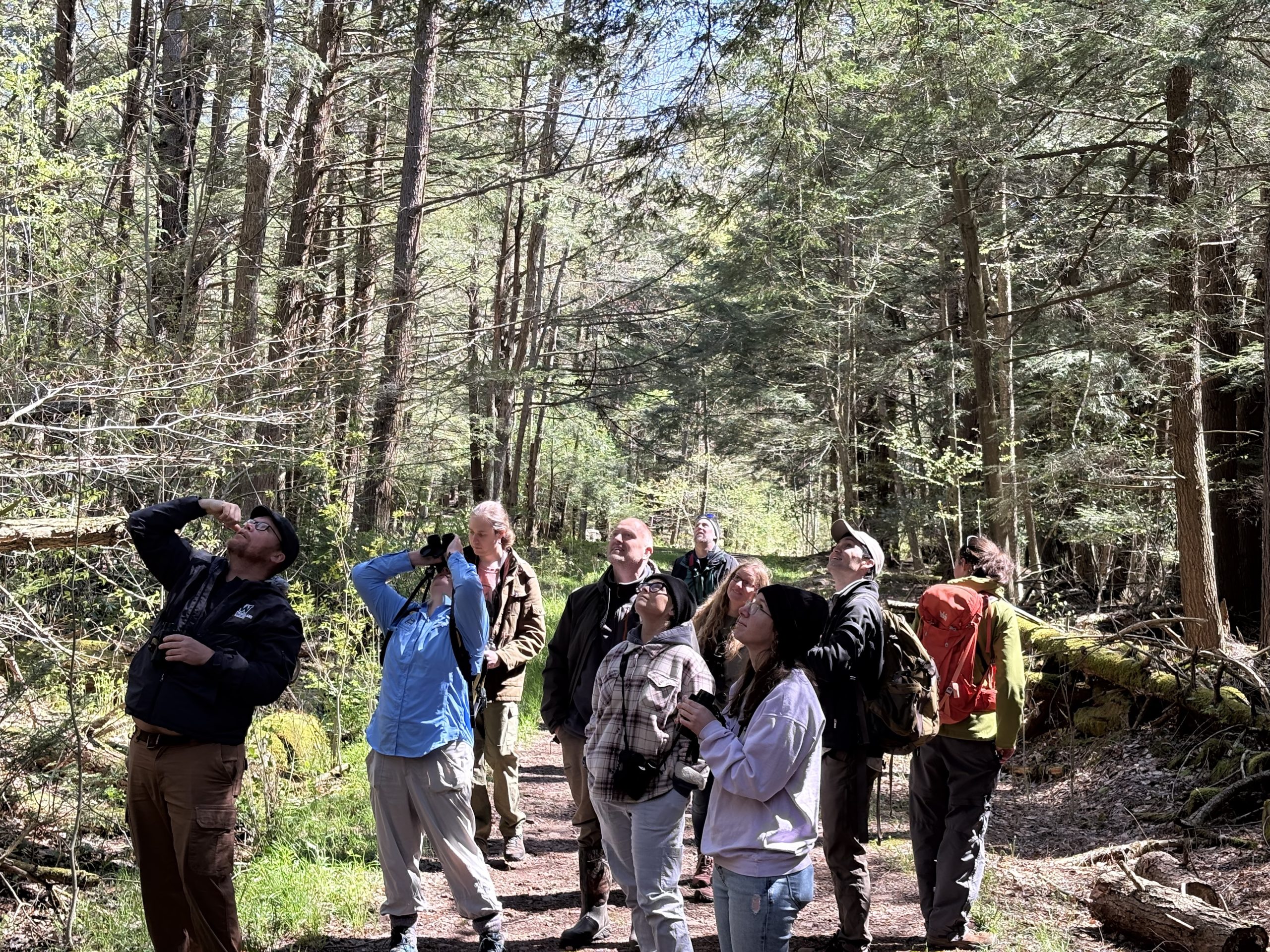
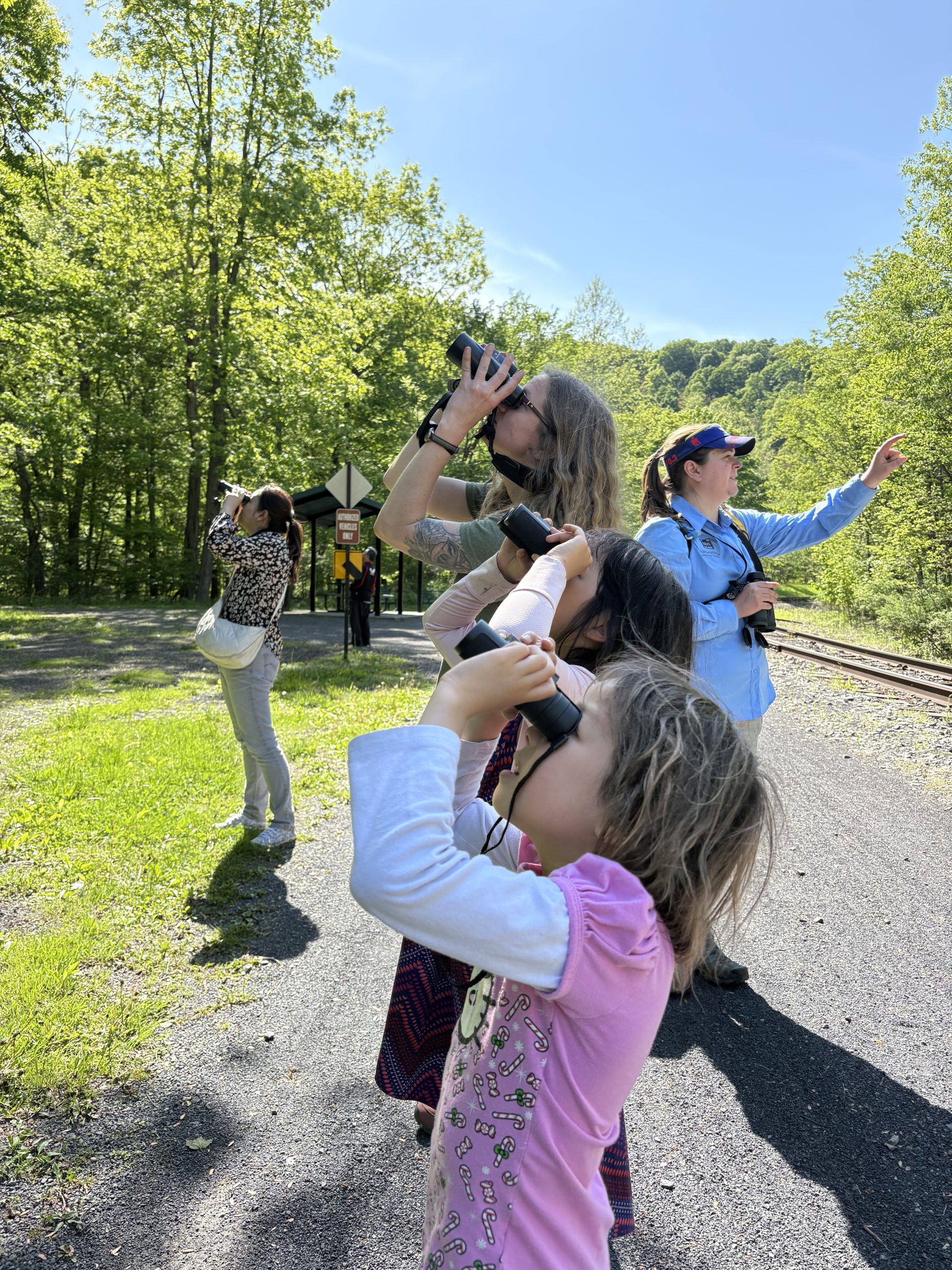
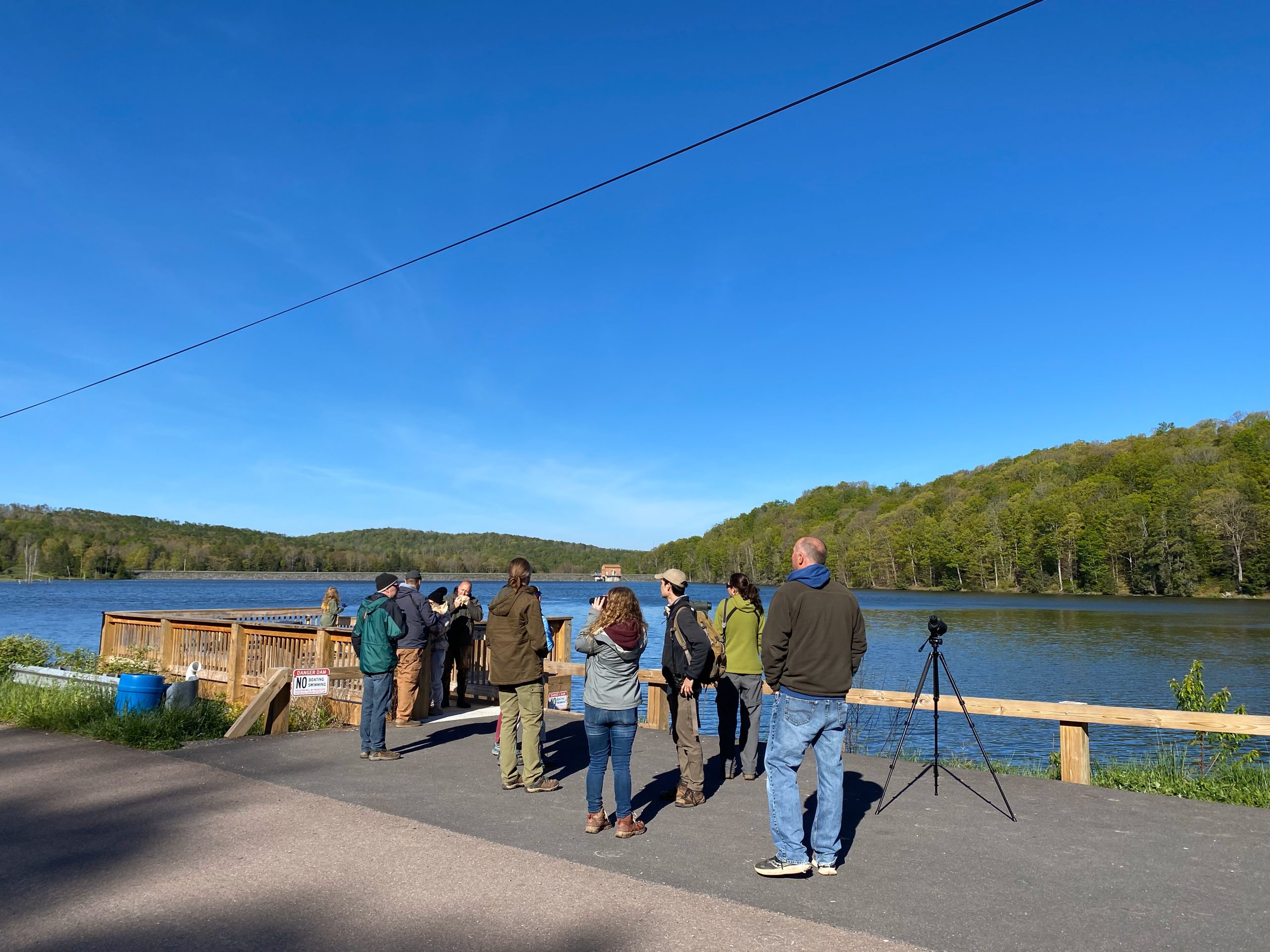
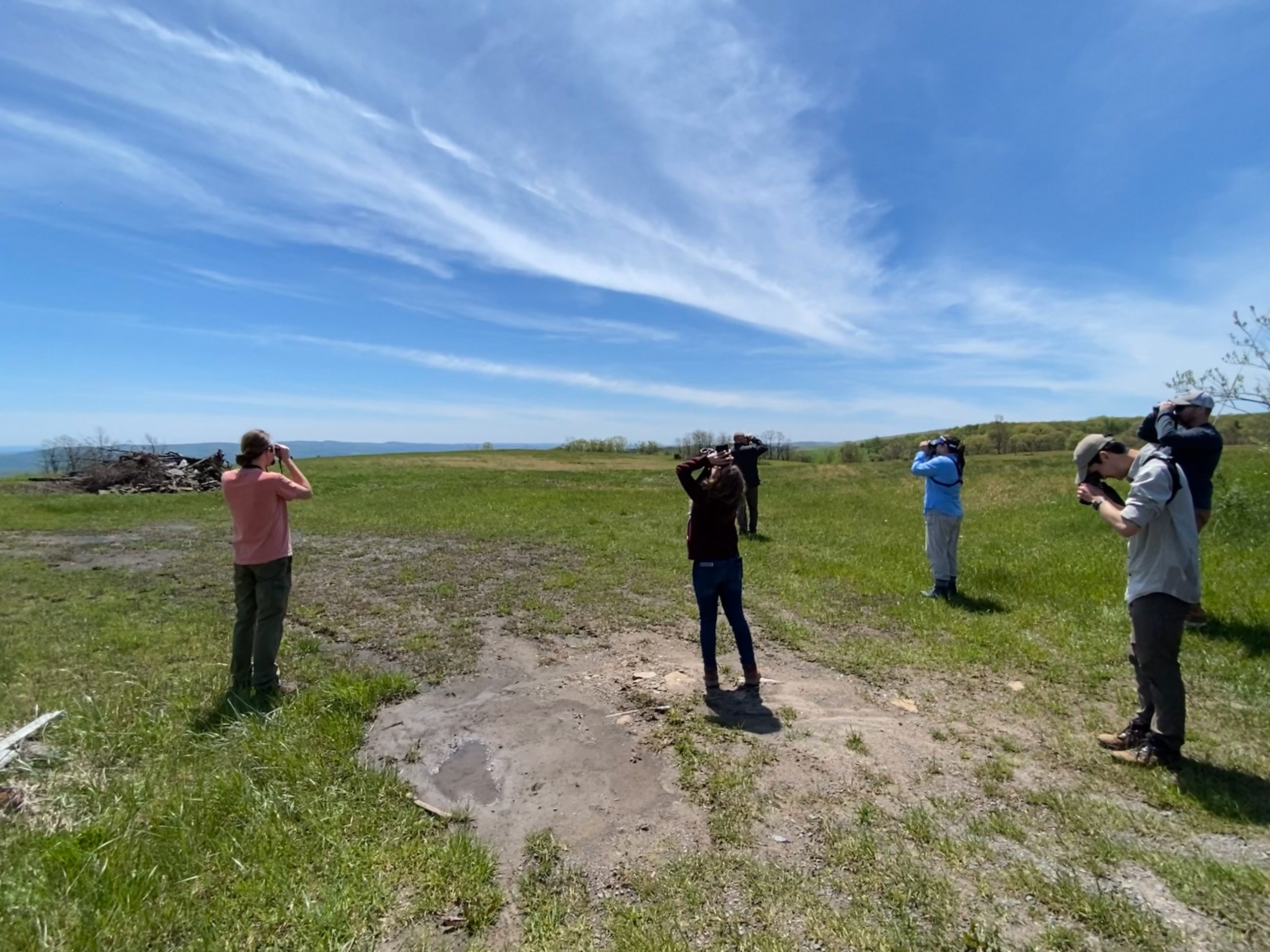
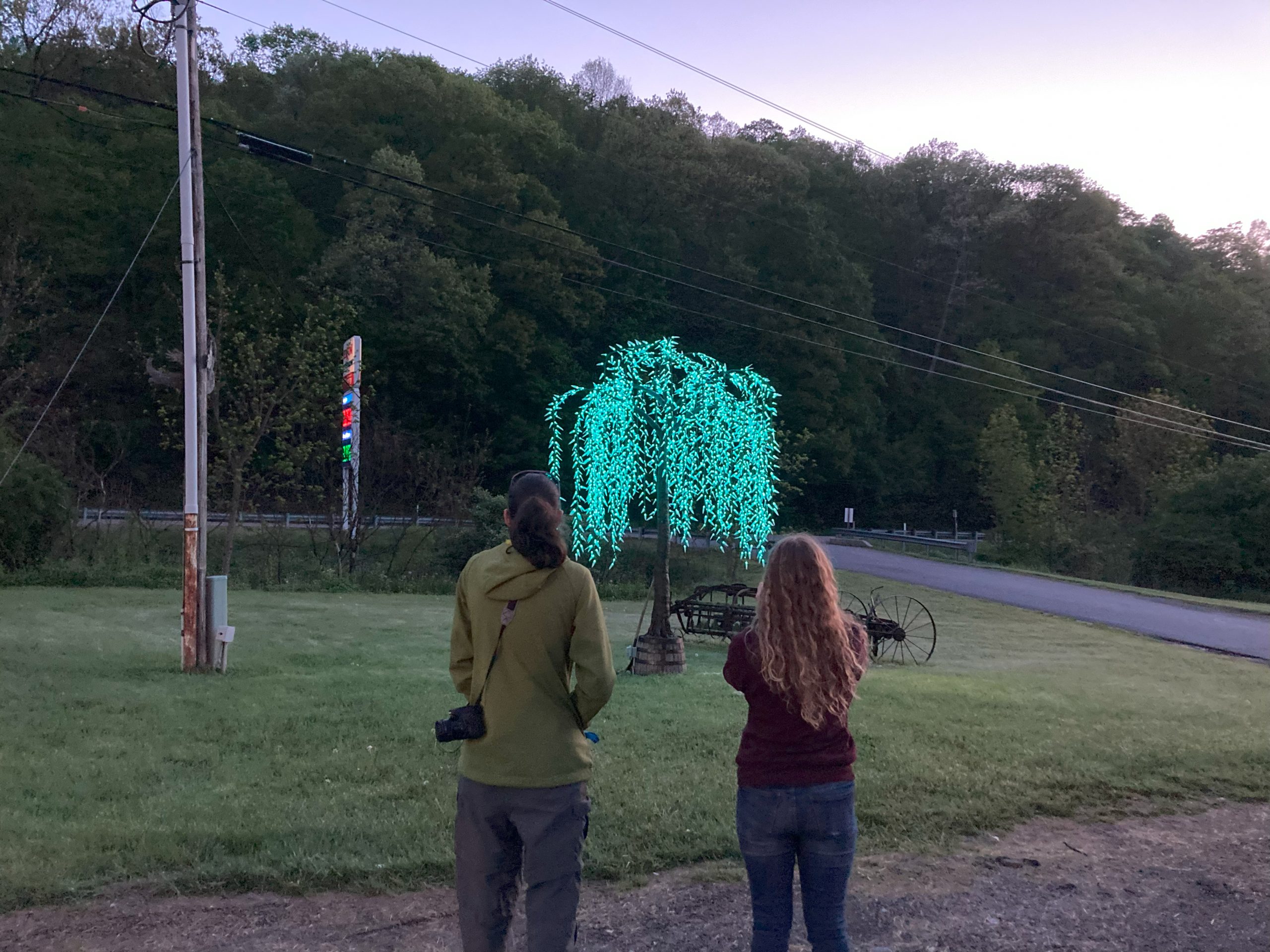
On Saturday, UMCES personnel from all six units participated in World Migratory Bird Day across 11 different Maryland counties.  To celebrate the UMCES Centennial, we were trying to record at least 100 different species and that goal was met by 2 pm that day with a grand total of 147 observed species!  Click to see the full eBird trip report.
 
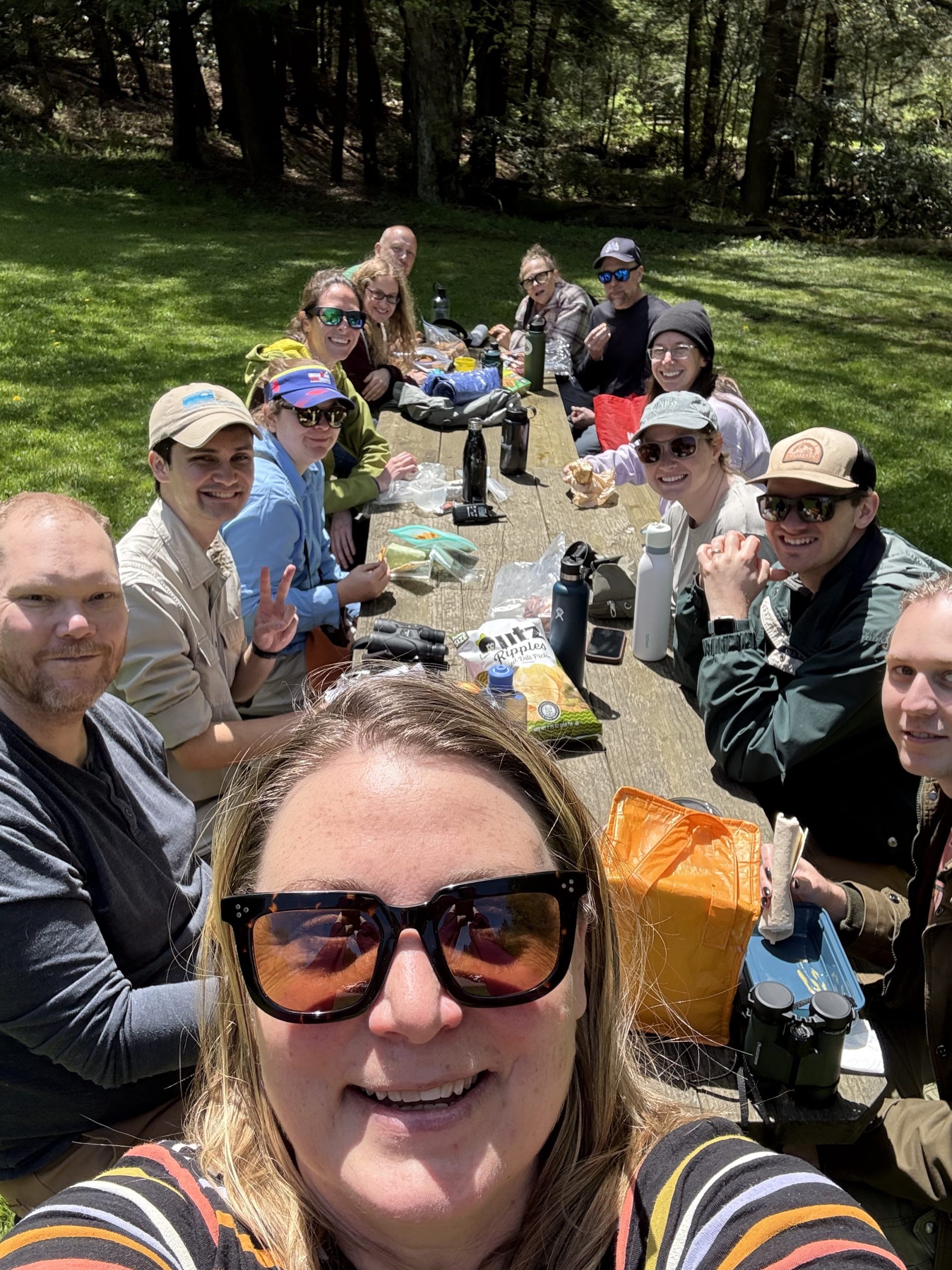
Here are some photos that people shared from the day:

#100forUMCES

We are planning a trash cleanup event along the C&O Canal for later this month and want to contribute 100 volunteer hours to celebrate #100forUMCES.  The event has been scheduled for the morning of Saturday, May 31st from 9 am to noon.  We’re still in need of volunteers, so feel free to invite friends, family, etc.  Sign up here!
 

Endeavor Fund for Innovative Science 

Dr. Miralles-Wilhelm recently announced that applications are being accepted for UMCES’ Endeavor Fund for Innovative Science grant.  The fund “fosters new thinking and methodology in environmental science and human welfare. It is aimed at providing proof-of-concept funding to university faculty and graduate students with the objective of leveraging robust external support after initial discoveries have been explored.” 

This opportunity provides one grant to faculty and one to students in the range of $5K-$20K. Proposals are due May 29, 2025. Please visit this link for more details. You can direct any questions about the fund to Lois Colaprete at lcolaprete@umces.edu.

Pollinator Gardens

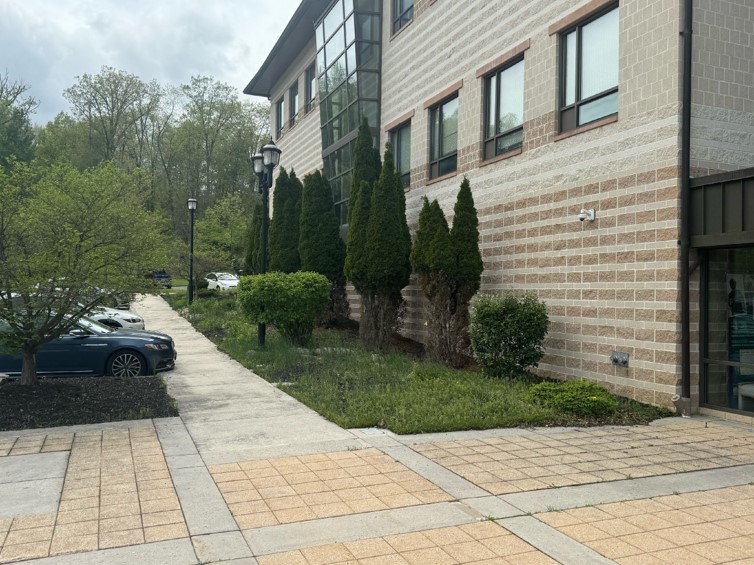
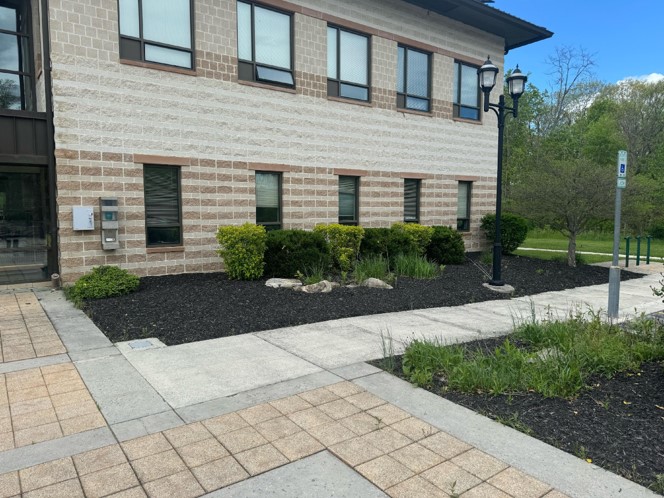
We are planning to remove some of the non-native landscaping shrubs from the front of the building and replace it with pollinator-friendly plantings.  If you’re interested in helping with the planting event, stay tuned for more information.

Outreach Updates

Please remember to rsvp to attend the Appalachian Laboratory Inspiration Award ceremony and reception honoring Michael “Mick” Burkett at 6:30pm, on Thursday, May 15, at AL. 

If you missed buying a copy of Predictive Ecology: The History of UMCES by Dr. Don Boesch, you can still purchase copies through the Sea Grant bookstore. Enter “UMCES100” in the coupon code field when checking out to receive 30% off the book price.

DEI Updates

The AL DEI Group and Mutual Expectations Working Group are pleased to share three new Mutual Expectations documents intended to promote discussion between supervisors and supervisees. These included mutual expectations agreements between:

 
We invite everyone to provide feedback on any relevant documents if you are interested. The documents can be found here. Feel free to provide feedback via comments directly on the Google Docs or submit anonymous feedback using this Google Form.
 

The DEI group is preparing to celebrate Pride this June.  We will be holding our own Pride event here at AL on June 6th at the TGIF event. We’ll have music and rainbow cupcakes with other fun activities.  We will also be hosting tables at the Allegany County Pride event on June 14th and the Garrett County Pride event on June 29th. The deadline to receive a free t-shirt for volunteering has passed, but if you can help with any event, it’s still not too late to sign up here

Our next meeting will be on Thursday, May 22nd, from 2-3pm in the Blue Room – as always, all are welcome!  One of the topics for our next meeting is the establishment of new working groups, which is a great opportunity to get involved with the DEI group if you aren’t already (and especially so if there are specific initiatives that are important to you!).

As always, folks can reach out to Joely or Brian with any questions, as well.

Spotlight on Safety - Plan Ahead to Stay Safe in the Field

Dr. Maya Torres, an environmental researcher with a focus on native plant species, was deep in the forests of the Appalachian Mountains in western North Carolina. She was collecting vegetation samples for a biodiversity survey, hiking through rugged terrain far from any marked trails.

The area was dense with rhododendron thickets and steep slopes—beautiful, but difficult to navigate. Maya had no cell service, and the only way in or out was a narrow footpath that hadn’t been maintained in years.

As she climbed over a fallen log to reach a patch of ferns along a rocky ravine, her boot slipped on loose soil. She fell hard, landing on her left arm and hitting her ribs on a tree root. The pain in her wrist told her it was likely fractured. Breathing was painful too.

Alone and unable to get a signal, she activated her personal locator beacon—a device she almost left behind to save weight. Hours passed. She rationed water, kept still, and used her emergency blanket to stay warm as the sun dipped below the ridge.

Eventually, a search and rescue team from a nearby ranger station picked up the beacon and hiked in. She was carried out the next morning, dehydrated and sore, but safe.

After that trip, Maya updated all her field protocols: she never goes out alone anymore, always leaves a detailed plan with colleagues, and carries both a GPS beacon and a satellite communicator. She shares her story to remind others: the forest may be quiet, but accidents speak loud—and planning is survival.

Some of you might be in the throes of planning field research for the upcoming summer months.  I wanted to take this opportunity to share this story to help remind everyone about the importance of planning ahead for your fieldwork.  Never wait until you’re in the middle of an emergency before you try to decide how to respond.  We have some tools to help you with your planning:

Written Risk Assessment

The first step in the planning process is to complete a written risk assessment.  The risk assessment will you identify potential risks, required safety gear, and important training.

Daily Trip Itineraries

Before you head out into the field each day, it’s a good idea to take a few moments to record your itinerary for the day, consider potential hazards unique to that day’s expected weather conditions and activities, and to establish check ins with someone here at the lab.  You can use either of these form tools to facilitate your daily itineraries:


Field Communications

Make sure that you have a robust communications plan.  You should have at least one reliable means of communication.  The lab has two SpotX GPS two-way communicators that can be borrowed for research purposes. Follow this link to learn more about reserving a unit. 

Working Alone

Field hazards can be more perilous for the lone worker because they have a greater risk for:

  • Verbal/physical abuse from other persons.

  • Accidents or emergencies due to field hazards or sudden illness.

  • Delays in treating or responding to these emergencies because no one is available to provide first aid or assistance, or because the site is not easily accessible.

  • Inadequate monitoring of rest, personal hygiene, and general welfare of the lone employee.

Whenever possible, fieldwork activities should be performed in teams of at least two people, especially when it involves remote or hazardous locations or activities.

When solitary work is unavoidable, PI’s should enforce regular reporting, appropriate emergency procedures, and other precautions. 

Admin Updates & Reminders

UMCES Immigration & Emergency Support Materials/Resources

University Administration is pleased to provide 2 new guidance materials to add to the resource information in supporting the UMCES community when navigating immigration-related situations and U.S. re-entry emergencies. These items were created as a result of community feedback from the all hands meeting held earlier this month and other subsequent university committee or shared governance group meetings with University leadership.

For your convenience, all materials are included in this email as attachments, and they are also accessible on the UMCES Intranet under the HR page – Visa/Immigration section and the Guidance & Information box at the bottom of the intranet homepage.

The resources include:

  1. University Guidance on Rights, Responsibilities, and ICE Interaction (2025) – This comprehensive guidance document outlines individual rights and responsibilities during any interactions with immigration enforcement agencies. It includes key reminders for students, faculty, and staff on FERPA compliance, community legal resources, and institutional protocols for engagement with ICE if they arrive on your campus.
  2. New Item: UMCES Contact Wallet Card – A quick-reference card listing emergency contact information for key UMCES leadership, including Human Resources and key Executive Administration contacts.  Note: The “Supervisor” contact listed may be your direct supervisor or a unit-designated leadership contact. We recommend filling this in and keeping the card accessible at all times.
  3. New Item: Supervisor Guidance: After-Hours Emergency Calls – U.S. Re-entry Issues – A practical step-by-step guide for UMCES supervisors on how to respond to after-hours emergency calls from community members experiencing difficulties during U.S. re-entry at customs or immigration checkpoints. This guide supports appropriate escalation and ensures timely response from University key contacts.


These resources are part of the University’s continued efforts to ensure that all UMCES faculty, staff, and students are informed, protected, and supported during these dynamic times. Thank you for your continued partnership in fostering a safe, informed, and inclusive university community.

Mark Your Calendars

  • May 15th – AL Inspiration Award
  • May 16th at 11:00 AM – Visiting Scholar Seminary by Dr. Anthony Campbell
  • May 29-30 – UMCES Commencement & Faculty Convocation
  • May 31st from 9:00 am to noon – Trash Pick Up Event on C&O Canal for the 100 for UMCES Centennial Celebration
  • June 6th at 3:30 PM – TGIF & AL Pride Celebration
  • June 13th at 11:00 AM – AL Town Hall
  • August 28th – Richard Johnson Environmental Education Award Ceremony
  • October 24-25th – MEES Colloquium

Quick Links


Do you have something you’d like to share with the AL community?  Please submit any announcements and updates to Katie Kline or Heather Johnson.